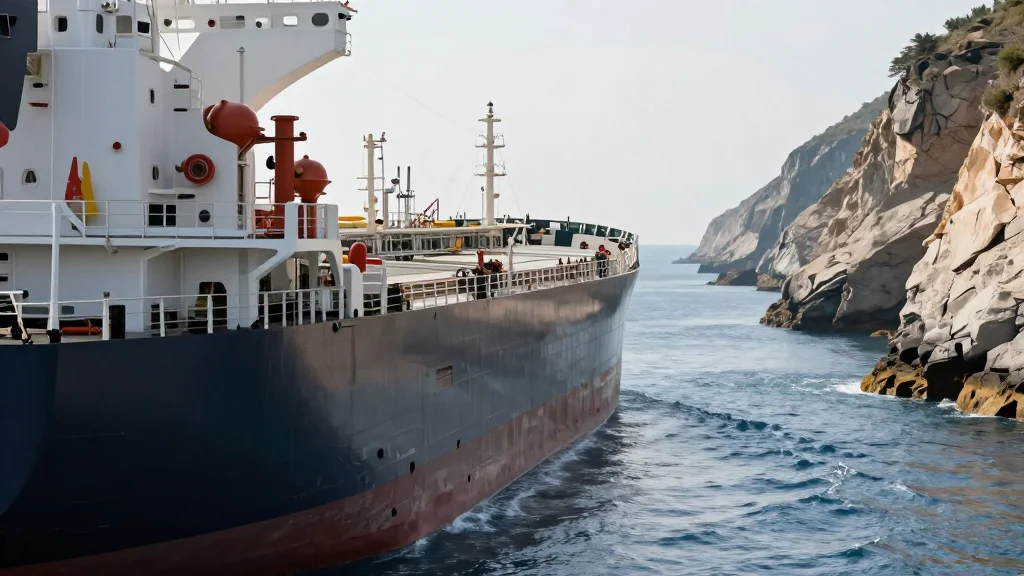
Ships Abort Hormuz Transit Attempts
Why It Matters
The abrupt closure disrupts global oil logistics, heightening price volatility and exposing the fragility of supply chains that depend on Hormuz. It also casts doubt on diplomatic progress between the U.S. and Iran, affecting broader regional stability.
Key Takeaways
- •21 vessels forced to turn back after Iran reimposed restrictions
- •At least 15 of the aborted ships were tankers of various sizes
- •Ships remained trapped since the Feb 28 US‑Iran war began
- •Iran reopened Hormuz briefly, then closed it citing US naval blockade
- •Trump's near‑deal claim clashes with Iran's abrupt transit reversal
Pulse Analysis
The Strait of Hormuz, a chokepoint through which roughly 20% of global oil passes, has once again become a flashpoint as Iran reasserted military control over vessel movements. While Tehran briefly signaled a reopening, the decision to reverse course was framed as a direct response to the United States’ continued naval blockade of Iranian ports. This back‑and‑forth illustrates how maritime policy can be weaponized in broader geopolitical negotiations, forcing shipping companies to reroute and incur higher fuel costs, insurance premiums, and delivery delays.
For oil markets, the incident amplifies existing supply‑side uncertainties. Tanker operators reported that 15 of the 21 aborted vessels were crude carriers, meaning a sudden reduction in available transit capacity could tighten global oil supplies, especially if similar restrictions recur. Traders monitor such developments closely, as even short‑term disruptions can trigger price spikes and influence futures contracts. The episode also highlights the strategic leverage Iran holds over energy flows, reminding stakeholders that diplomatic overtures—such as President Trump’s claim of a near‑complete deal—remain fragile when underlying security concerns dominate.
Analysts view the Hormuz episode as a barometer of U.S.–Iran relations and a test of regional stability. While diplomatic channels may be pursuing a broader agreement, the immediate priority for businesses is risk mitigation: diversifying routing options, securing robust maritime insurance, and staying informed on real‑time vessel‑tracking data. As the geopolitical landscape evolves, the ability to adapt quickly to sudden policy shifts will be crucial for maintaining uninterrupted energy trade and protecting profit margins.
Ships abort Hormuz transit attempts
Comments
Want to join the conversation?
Loading comments...