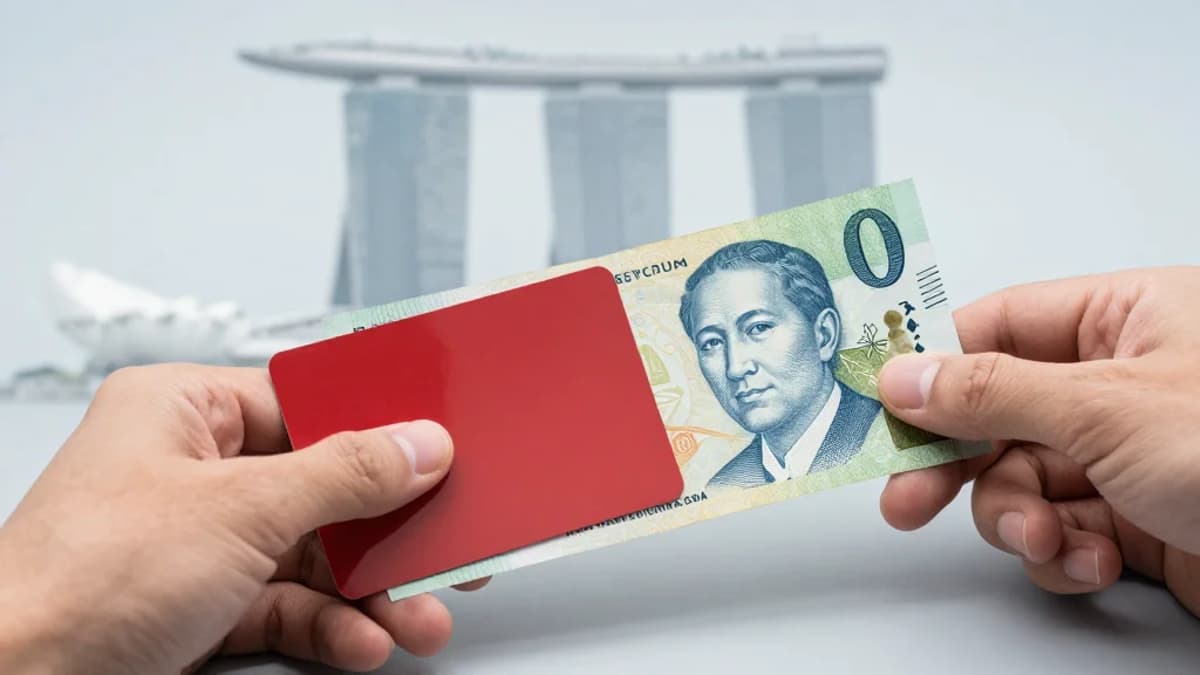
Singaporeans to Get Nearly $400 in Vouchers, up to $316 in Cash as Cost-of-Living Support
Why It Matters
The measures directly cushion household budgets amid persistent inflation, sustaining consumer demand and social stability in Singapore’s high‑cost economy.
Key Takeaways
- •2.4 million Singaporeans receive cash and voucher support.
- •Cash payout up to S$400 for incomes below S$100k.
- •All households get S$500 voucher for local merchants.
- •U‑Save rebates increased to S$570 for HDB residents.
- •Scheme continues annually since 2020 to curb inflation.
Pulse Analysis
Singapore’s latest fiscal package reflects a pragmatic response to lingering cost‑of‑living pressures. By coupling a means‑tested cash disbursement with universal vouchers, the government aims to protect low‑to‑middle‑income earners while stimulating spending at small‑scale retailers and supermarkets. The eligibility thresholds—annual income under S$100,000 and a single property limit—ensure that the cash component reaches those most vulnerable to price spikes, whereas the voucher scheme, covering all households, injects liquidity into local commerce, reinforcing the city‑state’s broader economic resilience.
The expanded U‑Save rebates, now up to S$570 for residents of Housing & Development Board flats, address a separate but related challenge: soaring utility bills driven by a near‑doubling of carbon taxes. By timing rebate payouts in April and July, the policy aligns with peak utility consumption periods, effectively lowering out‑of‑pocket expenses for one‑ and two‑room flat occupants and providing modest relief for larger units. This layered approach—cash, vouchers, and utility subsidies—demonstrates Singapore’s commitment to a multi‑pronged safety net that mitigates inflationary shocks without over‑relying on any single instrument.
From a macro perspective, these interventions signal a cautious yet proactive fiscal stance. While Singapore maintains a reputation for fiscal prudence, the targeted outlays underscore a willingness to deploy discretionary spending to preserve household purchasing power and sustain domestic demand. For businesses, especially hawkers and neighborhood merchants, the voucher program promises a predictable boost in foot traffic, potentially offsetting post‑pandemic recovery lags. Looking ahead, the continuity of this scheme—running annually since 2020—suggests it will become an entrenched component of Singapore’s social contract, balancing growth objectives with inclusive welfare.
Singaporeans to get nearly $400 in vouchers, up to $316 in cash as cost-of-living support


Comments
Want to join the conversation?
Loading comments...