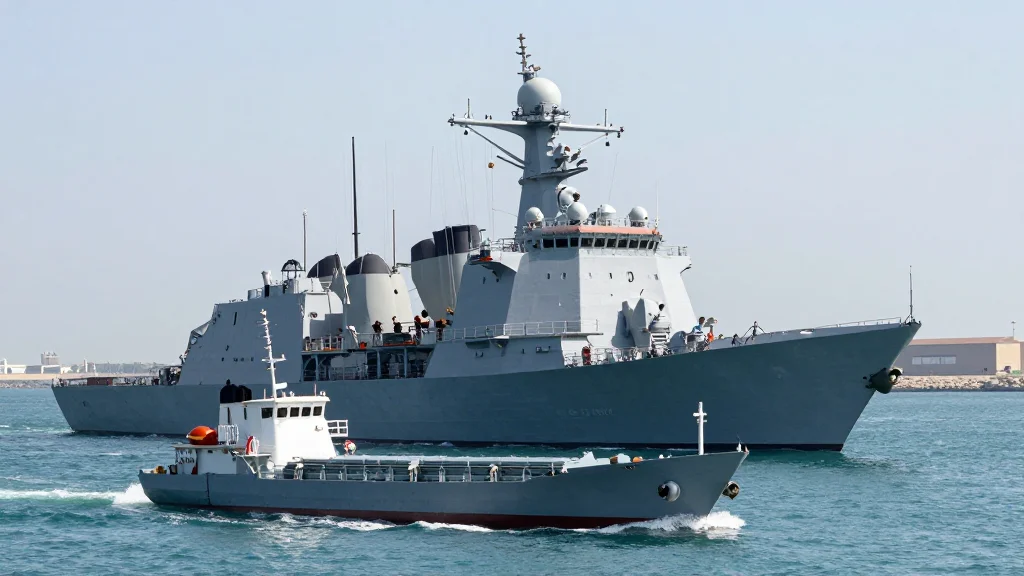
Six Ships Turned Around as Part of Strait of Hormuz Blockade, US Military Says
Why It Matters
The blockade heightens geopolitical tension in a key oil transit corridor, potentially disrupting global energy supplies and raising market volatility. It also signals a hardening U.S. stance toward Iran after diplomatic efforts failed.
Key Takeaways
- •Six merchant vessels turned back under U.S. blockade orders.
- •Blockade covers all Iranian ports; humanitarian cargo exempt pending inspection.
- •10,000 U.S. troops, 12 warships, dozens of aircraft enforce blockade.
- •Oil prices rose above $100 per barrel after blockade announcement.
- •Blockade threatens transit of one‑fifth of world oil and gas.
Pulse Analysis
President Donald Trump’s decision to seal off Iran’s coastline came after a weekend of stalled negotiations aimed at ending the six‑week conflict between the two nations. By extending the blockade to every Iranian port on the Persian Gulf and Gulf of Oman, the United States is leveraging its naval superiority to pressure Tehran while signaling to allies that it will not tolerate further escalation. The move also reasserts the strategic importance of the Strait of Hormuz, a chokepoint through which roughly 20% of the world’s oil and gas flows, making any disruption a focal point for global energy security concerns.
The enforcement apparatus is massive: more than 10,000 U.S. service members, at least twelve warships and a fleet of aircraft are tasked with monitoring and intercepting vessels that attempt to breach the zone. While the blockade is described as impartial, it explicitly allows humanitarian shipments—food, medicine and essential supplies—to pass after inspection, a clause designed to mitigate humanitarian fallout. Six merchant ships complied with orders to reverse course within the first day, illustrating both the operational reach of U.S. forces and the immediate compliance challenges faced by commercial operators navigating the region.
Market reaction was swift; Brent crude surged past $100 per barrel as traders priced in the risk of constrained supply routes. The blockade could force shippers to reroute around the Cape of Good Hope, inflating costs and delivery times for oil‑dependent economies. Diplomatically, the action may harden Iranian resolve and complicate future negotiations, while also prompting regional allies to reassess their own naval postures. Analysts will watch closely whether the blockade persists, expands, or prompts a de‑escalation, as its trajectory will shape both geopolitical dynamics and energy market stability.
Six ships turned around as part of Strait of Hormuz blockade, US military says
Comments
Want to join the conversation?
Loading comments...