Solar Projects to Be Hit by Big Increase in Costs Due to New Australian Anti-Dumping Decision
Companies Mentioned
Why It Matters
The sudden cost increase erodes project economics, heightening financing risk and potentially delaying Australia’s renewable‑energy transition. Investor confidence may wane as developers grapple with supply‑chain uncertainty and higher tariffs.
Key Takeaways
- •48% duty on hollow steel tubing from China, Taiwan, Malaysia, South Korea
- •Tariff applies retroactively to September 2023, affecting completed and upcoming projects
- •Added costs threaten Australia's 82% renewable‑energy target by 2030
- •Local steel capacity insufficient to replace imported tubes, raising supply risk
- •Industry expects appeals; financing risk may deter investors and delay builds
Pulse Analysis
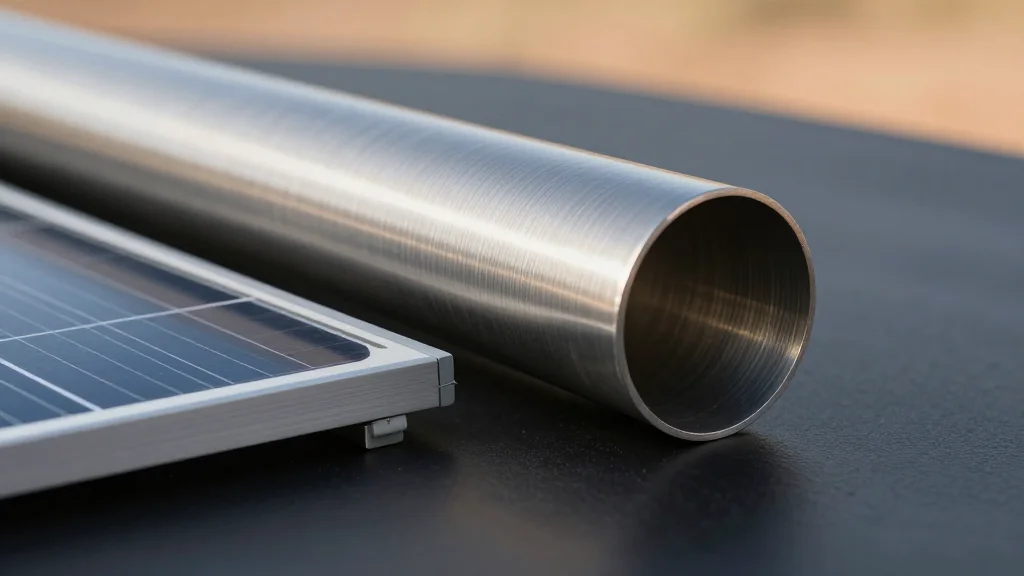
Australia’s latest anti‑dumping ruling targets hollow steel tubing—a linchpin in solar‑panel mounting structures—by slapping a 48% duty on imports from China, Taiwan, Malaysia and South Korea. The decision, driven by domestic steel producers’ claims of unfair pricing, is retroactive to September 2023, catching developers off‑guard. While the move aims to bolster local steel manufacturers, the country’s own production capacity cannot meet the volume required for gigawatt‑scale solar projects, creating a supply bottleneck that could ripple through the renewable sector.
For solar developers, the duty translates into immediate cost overruns on projects already financed or under construction. Estimates suggest the tariff could add several million dollars per gigawatt, tightening profit margins and forcing a reassessment of project viability. The added financial strain threatens Australia’s ambitious 82% renewable‑energy target for 2030, especially as wind investments lag. Moreover, the uncertainty surrounding the duty’s implementation—pending possible appeals that could linger for months—exacerbates financing risk, prompting lenders and equity partners to demand higher returns or withdraw support altogether.
The broader market response may hinge on how quickly the industry can pivot to domestic alternatives or secure exemptions. Companies like Nextpower Australia, which already partners with local steel maker Orrcon, are voicing concerns about downstream cost pass‑through to consumers and investors. If the appeal process fails to overturn the duty, Australia could see a slowdown in new solar‑battery hybrid projects, a sector that has been the bright spot of the green transition. Policymakers will need to balance protectionist aims with the practicalities of meeting climate commitments, lest the tariff backfire and stall the nation’s clean‑energy momentum.
Solar projects to be hit by big increase in costs due to new Australian anti-dumping decision
Comments
Want to join the conversation?
Loading comments...