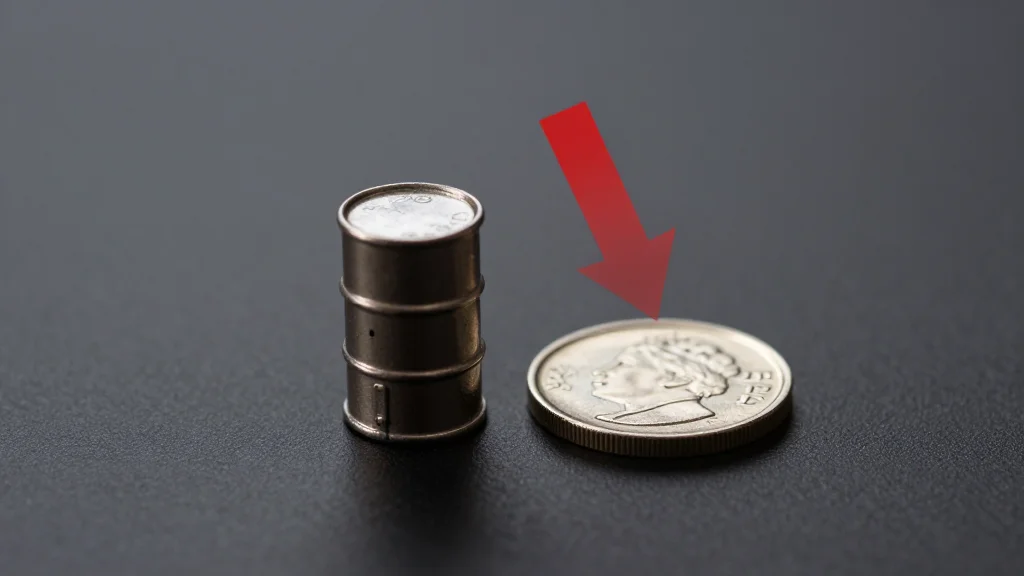
Starmer Crisis and Iran Shock Combine to Shrink UK Private Sector
Why It Matters
The contraction signals heightened economic uncertainty, pressuring the Labour government and shaping monetary policy as the BOE likely delays further tightening. It also highlights the vulnerability of the UK’s service‑heavy economy to geopolitical and political shocks.
Key Takeaways
- •UK private sector PMI fell to 48.5 in May.
- •Services sector contraction sharpest since 2021 pandemic.
- •Manufacturing grew, but stockpiling boost likely temporary.
- •Political turmoil and Iran conflict raise costs and cut jobs.
- •BOE likely to pause rate hikes amid weak data.
Pulse Analysis
The latest S&P Global purchasing managers' index shows the UK private sector slipped to 48.5 in May, marking the first contraction in over a year. The drop far outpaced the 51.6 forecast and pushed the economy into recessionary territory. Analysts attribute the slump to a perfect storm of domestic politics—intensifying rebellion against Prime Minister Keir Starmer—and the emerging Iran conflict, which has lifted raw‑material and fuel prices. Together, these forces have eroded business confidence, curbed spending plans, and heightened uncertainty across the services‑driven economy.
The services sector bore the brunt, registering the steepest activity decline since the 2021 pandemic and the lowest reading since the 2016 Brexit referendum. Firms reported falling confidence as consumers postponed discretionary purchases, especially international travel, amid higher oil costs. Manufacturing, by contrast, posted modest growth, driven by precautionary inventory builds that mask underlying demand weakness. However, manufacturers are now raising prices at the fastest pace since 2022 to offset soaring fuel and raw‑material expenses, squeezing profit margins and feeding broader cost‑burden concerns across both sectors.
Policymakers now face a delicate balancing act. The contractionary PMI reading bolsters expectations that the Bank of England will hold off on further rate hikes, with many economists forecasting a pause at the upcoming meeting. Yet persistent inflationary pressures from higher energy and wage costs keep the central bank cautious. If geopolitical tensions in the Middle East deepen, input‑price volatility could reignite price growth, forcing a policy reversal. For businesses, the outlook suggests flat‑lined growth for the remainder of 2024, with continued hiring freezes and tighter investment budgets unless confidence rebounds.
Starmer Crisis and Iran Shock Combine to Shrink UK Private Sector
Comments
Want to join the conversation?
Loading comments...