Stocks Tumble, Dollar and Oil Rise on Iran Crisis: Markets Wrap
•March 1, 2026
0
Why It Matters
The sell‑off shows that geopolitical flashpoints can quickly reprice equities, commodities and currencies, forcing investors to reassess risk exposure.
Key Takeaways
- •Asian equities down 1.6% amid Iran tensions
- •U.S. futures slide over 1% on risk aversion
- •European futures slump 1.7% as markets wobble
- •Oil spikes above $100, driven by supply fears
- •Dollar and gold rally, safe‑haven demand surges
Pulse Analysis
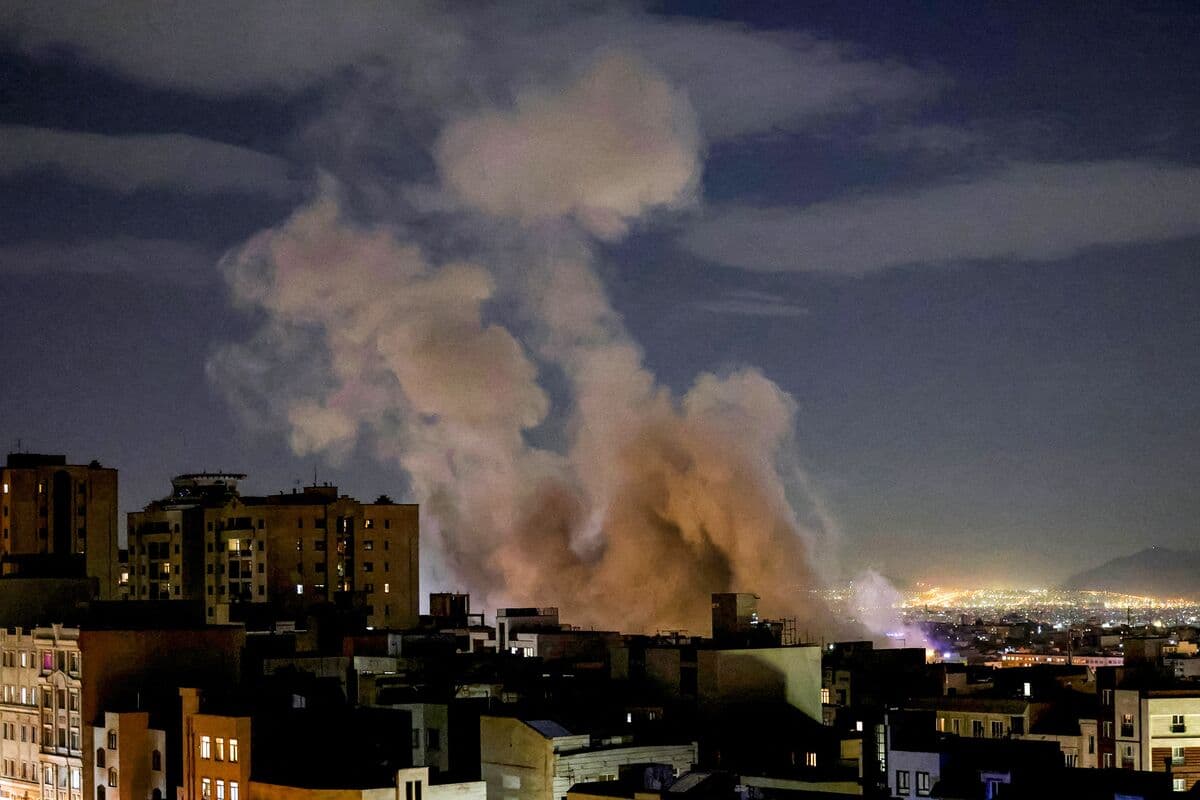
The latest flare‑up in Iran has reminded markets how swiftly geopolitical events can rewrite the risk landscape. As missile strikes intensified, investors fled equities, prompting Asian indices to tumble 1.6% and pushing U.S. and European futures into double‑digit declines. This risk‑off wave is a textbook reaction: heightened uncertainty squeezes liquidity, amplifies volatility, and triggers algorithmic sell programs that magnify price moves across continents.
Commodities and currencies responded in kind, with oil breaching the $100‑a‑barrel threshold on fears of supply chain interruptions in the Persian Gulf. Simultaneously, the U.S. dollar rallied on safe‑haven demand, while gold posted gains as investors chased traditional stores of value. These moves illustrate the interconnectedness of geopolitical risk, energy markets, and fiat currencies, reinforcing the notion that a single regional crisis can ripple through global pricing mechanisms.
For portfolio managers and corporate treasurers, the episode underscores the need for robust scenario planning. Diversification strategies must account for rapid shifts toward liquidity and safety, while hedging frameworks should be stress‑tested against sudden commodity spikes and currency swings. As markets digest the fallout, the focus will turn to diplomatic developments and any escalation pathways that could further destabilize supply lines, making vigilance and flexibility essential components of any forward‑looking investment thesis.
Stocks Tumble, Dollar and Oil Rise on Iran Crisis: Markets Wrap
0
Comments
Want to join the conversation?
Loading comments...