Stocks Waver as Doubts Over US-Iran Deal Lift Oil: Markets Wrap
Companies Mentioned
Why It Matters
The tentative diplomatic breakthrough reduces the geopolitical risk premium, supporting equities and lowering borrowing costs, but markets remain highly sensitive to any reversal of the talks.
Key Takeaways
- •Brent crude dropped to $108 on US‑Iran waiver talks
- •S&P 500 edged higher after March‑worst session
- •Treasury yields rebounded as inflation concerns eased
- •Market volatility remains tied to Strait of Hormuz stability
Pulse Analysis
The latest oil price retreat highlights the outsized role of geopolitics in global markets. When Iranian media disclosed that Washington was willing to grant a temporary waiver on sanctions, Brent crude fell to $108 a barrel, a level not seen since early 2025. This development temporarily lifted the floor on risk sentiment, allowing investors to shift focus from the war‑driven supply shock to broader macroeconomic themes. Analysts note that even a modest diplomatic gesture can shave several dollars off oil, instantly reshaping equity valuations and bond yields.
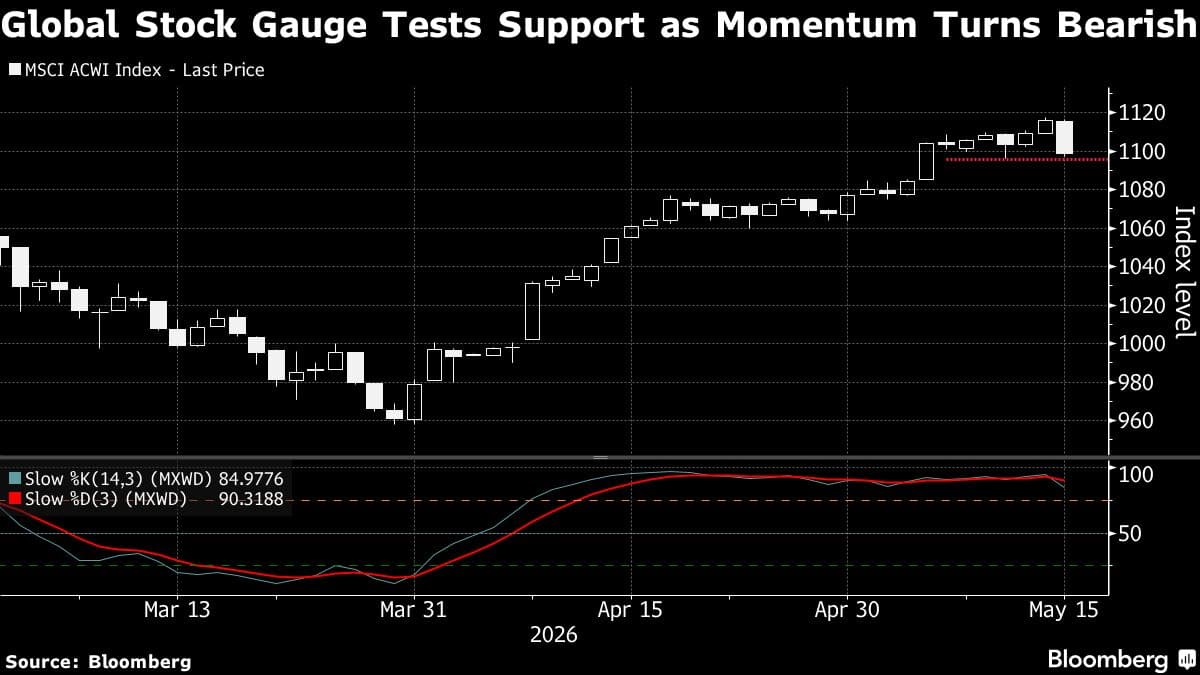
Equity markets responded with a cautious bounce. The S&P 500, which had endured its steepest decline since March, edged higher as energy‑related cost pressures eased. Simultaneously, Treasury yields reversed their earlier surge, reflecting a short‑term reprieve in inflation expectations. With the Federal Reserve still vigilant about price stability, any signal that oil‑driven inflation may be muted can temper the push for higher rates. Investors therefore watched the bond market closely, noting that a 10‑basis‑point pullback in yields could translate into billions of dollars in lower financing costs for corporations.
Looking ahead, the market’s optimism is fragile. The proposed waiver is temporary and contingent on a broader peace framework, meaning any setback could reignite oil price spikes and reignite inflation fears. For portfolio managers, the key is to balance exposure to energy‑sensitive sectors with defensive assets that can weather renewed geopolitical turbulence. Monitoring diplomatic channels around the Strait of Hormuz will remain a priority, as the region’s stability continues to be a bellwether for both commodity markets and the broader financial ecosystem.
Stocks Waver as Doubts Over US-Iran Deal Lift Oil: Markets Wrap
Comments
Want to join the conversation?
Loading comments...