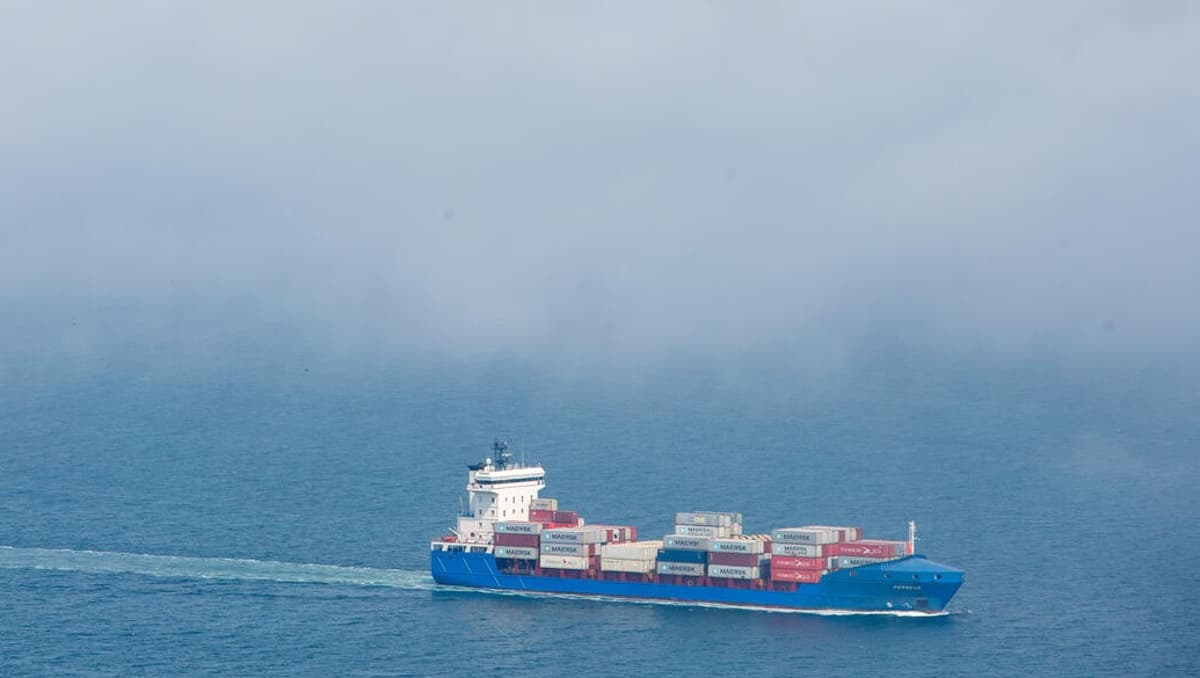
Strait of Hormuz Conflict Threatens Global Food Prices as FAO Warns Time Is Running Out
Why It Matters
A rapid surge in food prices would strain household budgets worldwide and heighten the risk of hunger crises, especially in import‑dependent economies. Prompt policy action can mitigate inflationary pressure and safeguard vulnerable populations.
Key Takeaways
- •FAO warns Hormuz closure could spark food price crisis in 6‑12 months
- •Alternative land/sea corridors limited; export bans could worsen shortages
- •Avoiding fertilizer and energy export restrictions is critical for resilience
- •El Niño may compound drought risk, amplifying global food inflation
- •Targeted digital aid and low‑interest credit support vulnerable farmers
Pulse Analysis
The Strait of Hormuz, a narrow maritime chokepoint linking the Persian Gulf to the open ocean, handles roughly 20% of global oil trade and a substantial share of nitrogen‑based fertilizer shipments. FAO Chief Economist Maximo Torero warned that a prolonged closure could evolve from a logistics hiccup into a systemic agrifood shock, pushing the FAO Food Price Index toward unprecedented levels within the next six to twelve months. Rising energy costs have already lifted the index for a third consecutive month, underscoring how geopolitical tension quickly translates into higher commodity prices and food inflation.
FAO’s rapid‑response playbook stresses immediate diversification of land and sea corridors—through the eastern Arabian Peninsula, western Saudi Arabia, and the Red Sea—while cautioning that these routes lack the capacity to fully offset the shortfall. Equally vital is the avoidance of export bans on fertilizers, energy inputs, and essential grains, which would choke already strained supply chains. The organization recommends targeted digital farmer registries, low‑interest emergency credit, and social‑protection programs that bypass blanket subsidies, ensuring aid reaches the most vulnerable households in Africa and Latin America.
Looking beyond the crisis, FAO urges long‑term investments in resilient logistics, regional grain reserves, and precision‑agriculture technologies such as electrified irrigation and soil‑mapping platforms. With an El Niño event looming, drought‑induced yield losses could intensify price pressures, making early‑warning systems and insurance mechanisms indispensable. By aligning energy policy with food security goals, expanding concessional financing, and fostering public‑private partnerships for green ammonia and biostimulants, the global community can transform a looming shock into a catalyst for a more diversified, climate‑smart agri‑food system.
Strait of Hormuz conflict threatens global food prices as FAO warns time is running out
Comments
Want to join the conversation?
Loading comments...