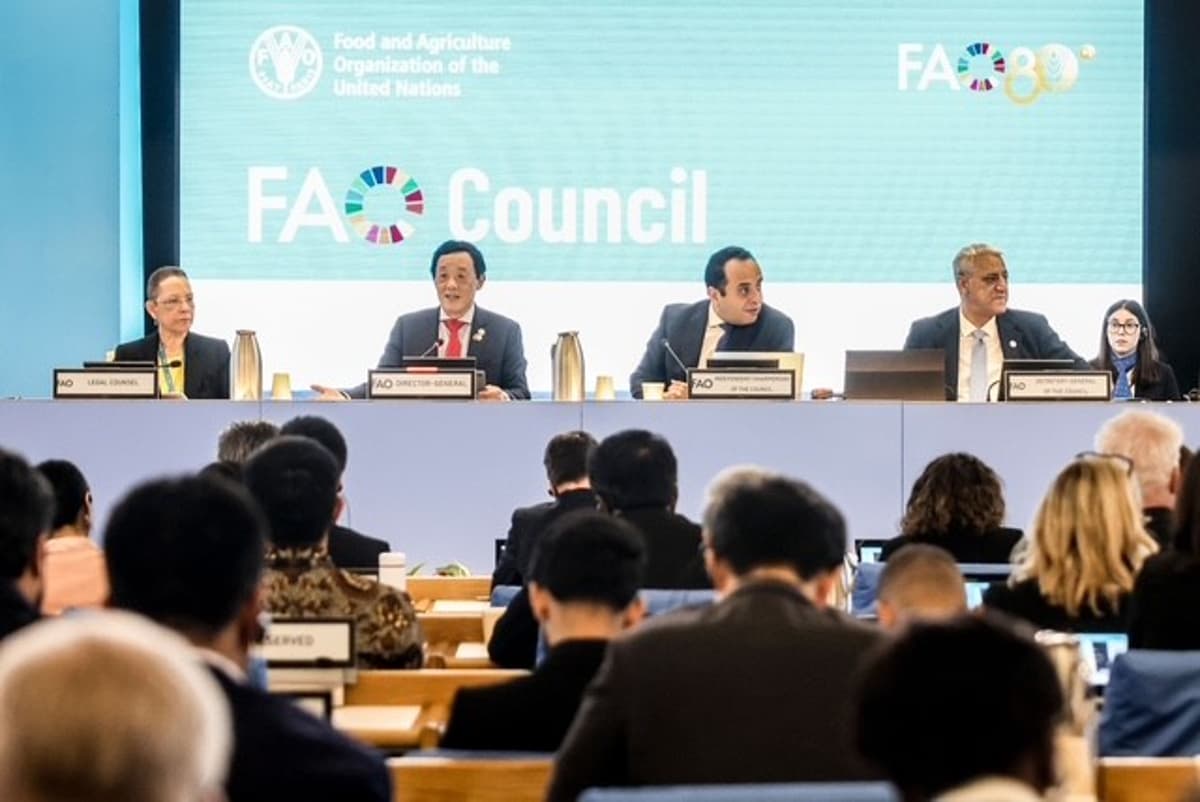
Strait of Hormuz Crisis: FAO Director-General Outlines Risks, Actions and Policy Responses
Why It Matters
The crisis threatens worldwide food security by inflating fertilizer costs and limiting essential imports, which could trigger higher food prices and hunger in already fragile regions. Coordinated policy action is essential to prevent a cascade of agricultural disruptions.
Key Takeaways
- •Strait of Hormuz traffic fell >90%, halting oil, gas, fertilizer shipments
- •Fertilizer prices jumped 20% in a week, up 60% in Brazil
- •Gulf nations import 70‑90% of staple foods, risking shortages
- •FAO proposes 90‑day plan: alternate routes, market monitoring, no export bans
- •Over 17 million Yemenis face high food insecurity amid fertilizer delays
Pulse Analysis
The Strait of Hormuz, a conduit for roughly one‑quarter of global seaborne oil, has effectively shut down, sending shockwaves through energy markets and the agrifood supply chain. With tanker movements collapsing by more than 90%, the region’s capacity to deliver liquefied natural gas and bulk fertilizers has been crippled, amplifying volatility in commodity prices and straining logistics for perishable goods. This geopolitical bottleneck underscores how tightly intertwined energy security and food systems have become, especially for nations that rely on maritime imports for essential inputs.
Fertilizer markets have reacted sharply; granular urea from the Middle East surged nearly 20% in a single week, while U.S. prices rose 52% and Brazil’s jumped 60% by mid‑April. Such spikes erode farmer margins, forcing producers to delay or reduce application during critical planting windows, which can permanently cut yields. Countries heavily dependent on Gulf‑sourced fertilizers—Bangladesh, for example, imports over half its supply—face heightened risk of crop shortfalls. The ripple effect extends to consumer food prices, as higher input costs translate into more expensive staples, pressuring household budgets across South Asia, Southeast Asia and Africa.
In response, the FAO has activated a multi‑phase strategy aimed at averting a food‑security crisis. Immediate actions include real‑time supply‑chain monitoring, coordination of strategic reserves with Gulf Cooperation Council members, and prioritising fertilizer shipments to low‑income, landlocked nations. Over the next 90 days, the organization urges governments to develop alternative trade corridors, avoid export restrictions on energy and fertilizers, and provide financial support to vulnerable farmers. Long‑term, diversifying import sources and investing in sustainable agriculture and renewable energy are critical to insulating global food systems from future geopolitical shocks.
Strait of Hormuz crisis: FAO Director-General outlines risks, actions and policy responses
Comments
Want to join the conversation?
Loading comments...