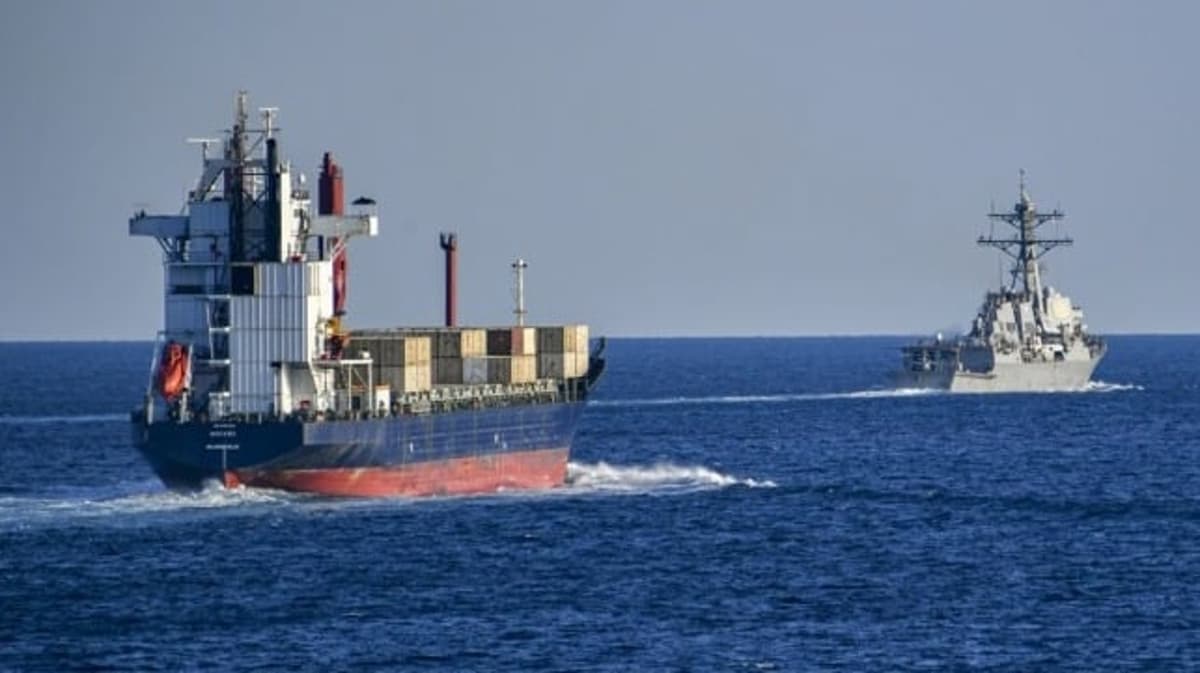
Strait of Hormuz Delays Are Translating Into Downstream Production Losses
Why It Matters
The hidden cost of maritime delays is eroding manufacturing output and profit margins worldwide, turning a geopolitical flashpoint into a direct financial threat for downstream industries.
Key Takeaways
- •Detention in Hormuz extends transit, creating timing uncertainty for inputs.
- •Plant shutdowns cost more than delayed cargo value.
- •Force‑majeure clauses weakened when performance remains possible but delayed.
- •Companies must align contracts, insurance, and buffers for timing risk.
Pulse Analysis
The Strait of Hormuz, long viewed through the lens of oil prices and naval posturing, has evolved into a critical timing choke point for a broad range of industrial inputs. While vessels can still navigate the narrow passage, heightened war‑risk premiums and on‑the‑fly routing decisions have stretched transit windows from days to weeks. Modern production lines, especially in chemicals, fertilizers and metals, are calibrated to precise delivery schedules; even modest deviations trigger missed berthing slots, port congestion and downstream logistics snarls that ripple through rail and truck networks.
Economic fallout from these delays is disproportionately large because the value of idle plant capacity dwarfs the price of the cargo itself. A single missed feedstock shipment can force a continuous‑process plant to shut down for hours, translating into millions of dollars of lost output, breach of supply contracts and heightened exposure to liquidated‑damage clauses. Insurers are also feeling the strain as traditional cargo policies cover loss of goods, but the timing‑based business interruption claims fall into a gray area between marine liability and operational coverage, prompting a surge in disputes over contingent business‑interruption and delay‑in‑start‑up policies.
Corporations can mitigate this emerging risk by revisiting three core pillars: contractual language, insurance architecture, and operational flexibility. Supply and offtake agreements should explicitly define remedies for prolonged delays, not just outright impossibility, while coordinated reviews of cargo, business interruption and contingent BI policies ensure coverage gaps are closed. On the operational side, building time‑buffer inventories, negotiating flexible unloading windows and diversifying routing assumptions can absorb schedule shocks. Proactive alignment across legal, risk and logistics teams transforms a volatile maritime environment from a source of surprise losses into a manageable element of supply‑chain strategy.
Strait of Hormuz Delays Are Translating into Downstream Production Losses
Comments
Want to join the conversation?
Loading comments...