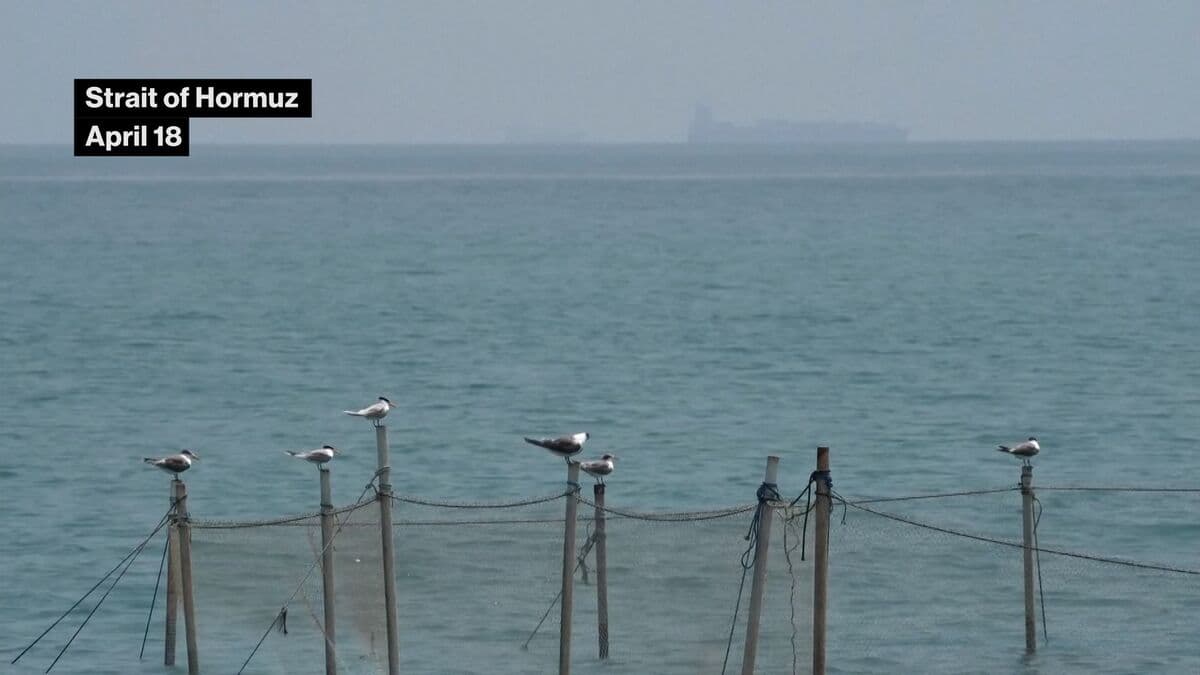
Strait of Hormuz Shut, US Blockade Intensifies, and Gunfire Reported
Why It Matters
Closing the Hormuz chokepoint jeopardizes a third of global oil shipments, amplifying market volatility and forcing policymakers to accelerate diplomatic solutions.
Key Takeaways
- •Iran closed Strait of Hormuz after attacking two vessels
- •UK military confirmed tanker and cargo ship hit by IRGC gunships
- •Pakistan positioned to mediate US‑Iran talks amid escalating tensions
- •US president signals willingness to travel to Islamabad for peace talks
- •Disruption threatens global oil supply, pushing energy prices higher
Pulse Analysis
The sudden shutdown of the Strait of Hormuz, the world’s most critical oil transit corridor, has reignited concerns that date back to the 2019 Gulf tensions. Roughly 20% of global petroleum passes through this narrow waterway, and any interruption can ripple through energy markets, driving up crude prices and unsettling supply chains. Iran’s decision to close the strait after an IRGC gunship strike on a tanker and a cargo vessel underscores the regime’s leverage, while the UK’s confirmation of the attacks adds credibility to the threat assessment. Analysts now watch closely for any escalation that could trigger a broader naval confrontation, a scenario that would force oil‑importing nations to seek alternative, costlier routes.
Amid the maritime crisis, diplomatic channels have shifted toward Islamabad, where Pakistan is emerging as a rare neutral ground for US‑Iran negotiations. Recent high‑level visits, including the Iranian army chief’s trip to Tehran and back‑channel talks in Pakistan, suggest a fragile but tangible momentum. The Biden administration’s public willingness to send Vice President Vance, Jared Kushner, and a seasoned envoy to Islamabad reflects both a strategic pivot and domestic political calculus, as the president seeks a quick resolution before the mid‑term election cycle intensifies. Pakistan’s historical rivalry with Iran adds complexity, yet its geographic proximity and recent diplomatic overtures position it as a plausible facilitator.
For investors and policymakers, the stakes extend beyond regional geopolitics to global economic stability. A prolonged Hormuz closure could spike oil prices, pressure inflation, and strain the already volatile U.S. energy market, influencing everything from gasoline costs to central bank policy. Conversely, a breakthrough in talks could restore confidence, lower risk premiums, and provide a narrative of diplomatic success for the White House. As the clock ticks on the fragile cease‑fire between Israel and Hezbollah, the world watches whether diplomatic ingenuity or military posturing will dictate the next chapter in Middle East stability.
Strait of Hormuz Shut, US Blockade Intensifies, and Gunfire Reported
Comments
Want to join the conversation?
Loading comments...