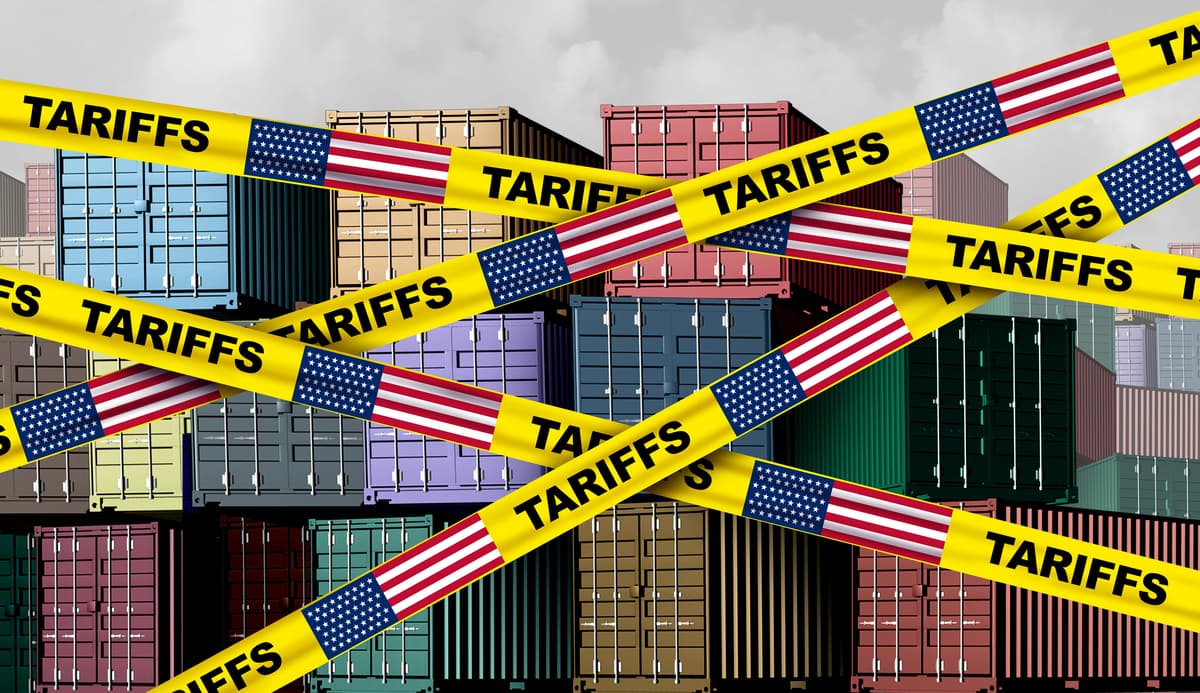
Supreme Court Strikes Down Most Trump Tariffs
•February 20, 2026
0
Why It Matters
The ruling reshapes U.S. trade policy by restoring congressional primacy over tariffs, immediately lowering import costs for manufacturers and consumers while forcing the administration to seek narrower, legally vetted trade tools.
Key Takeaways
- •Supreme Court rules tariffs require congressional authorization
- •10% baseline tariffs on all countries invalidated
- •Estimated tariff revenue loss around $140 billion
- •Average effective tariff rate expected to drop to ~9%
- •President Trump signals new 10% tariffs via Section 122
Pulse Analysis
The Court's decision underscores a constitutional check on executive trade power, reaffirming that tariff authority resides with Congress. This clarification reduces legal uncertainty that has plagued supply chains since the administration’s aggressive tariff rollout. Companies can now anticipate more predictable input costs, which is especially critical for sectors reliant on imported components such as automotive and electronics. Analysts predict that the immediate reduction in average tariff rates will improve margins for manufacturers and lower prices for consumers, potentially spurring modest demand growth in the short term.
Beyond the immediate fiscal impact, the ruling forces the White House to pivot toward statutory tools like Section 301 and Section 232, which require detailed investigations and longer lead times. While these mechanisms can target unfair trade practices, they also introduce procedural delays that may limit the administration’s ability to respond swiftly to geopolitical tensions. Industry leaders are watching closely to see whether the administration will employ Section 122’s limited 15% tariff ceiling for rapid implementation, a move that could re‑ignite debates over executive overreach.
Long‑term, the decision may catalyze a broader legislative effort to modernize U.S. trade policy. Lawmakers could seek to codify clearer authority limits, balancing protectionist goals with the need for market stability. For investors and corporate strategists, the key takeaway is to monitor upcoming policy proposals and potential refund mechanisms for previously collected tariffs, as these will affect cash flow and competitive positioning across the manufacturing landscape.
Supreme Court Strikes Down Most Trump Tariffs
0
Comments
Want to join the conversation?
Loading comments...