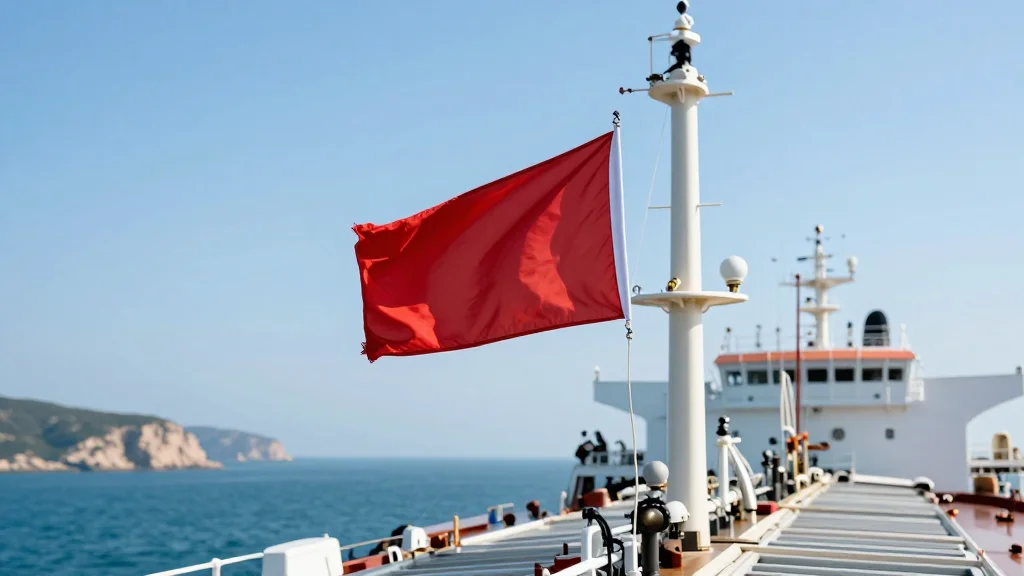
Tankers Transit Hormuz Despite Iran Blockade Warning
Why It Matters
The movement signals a tentative resumption of oil flow through a critical chokepoint, easing short‑term supply concerns while geopolitical risk remains high. Continued navigation or renewed closures will directly influence global crude prices and energy security.
Key Takeaways
- •Two tankers crossed Hormuz eastbound on April 18, first since Iran’s reopening
- •VLCC FPMC C Lord headed to Fujairah, possibly Taiwan-bound crude
- •Aframax Desh Garima carried UAE crude to India via Hormuz
- •Suezmax tankers idle near Hormuz entrance, signaling blockade uncertainty
- •Iranian speaker warned Hormuz closure if US blockade continues
Pulse Analysis
The Strait of Hormuz, a narrow 21‑mile passage linking the Persian Gulf to the Arabian Sea, handles roughly a third of the world’s oil trade. After Iran’s brief announcement to reopen the channel amid a cease‑fire between Israel and Lebanon, the United States continued its naval blockade of Iranian ports, creating a volatile environment for shippers. Analysts closely monitor Vortexa data for real‑time vessel movements, as any disruption can ripple through the global energy market.
On Saturday, Vortexa recorded two eastbound transits: the 301,861‑dwt VLCC FPMC C Lord and the 114,790‑dwt Aframax Desh Garima. The former, partially loaded in Qatar and Saudi Arabia, listed Fujairah as its destination, though brokers suggest a possible cargo delivery to Taiwan’s Mailiao refinery. The latter was en route from the UAE’s Das Island to India, a key demand hub. Their successful passage suggests that, despite political rhetoric, commercial imperatives are pushing oil carriers to test the waterway’s openness, providing a modest boost to market confidence.
Nevertheless, the broader picture remains uncertain. Several Suezmax vessels are idling near the Hormuz entrance, and a VLCC that had been ballasting westward appears to be redirecting back into the Gulf, hinting at shifting routing strategies. Iran’s parliamentary speaker’s warning that the strait could close if the U.S. blockade persists adds a layer of risk that could quickly tighten supply and spur price spikes. Market participants will watch diplomatic talks and naval deployments closely, as any escalation could reverberate through crude benchmarks and impact downstream industries worldwide.
Tankers transit Hormuz despite Iran blockade warning
Comments
Want to join the conversation?
Loading comments...