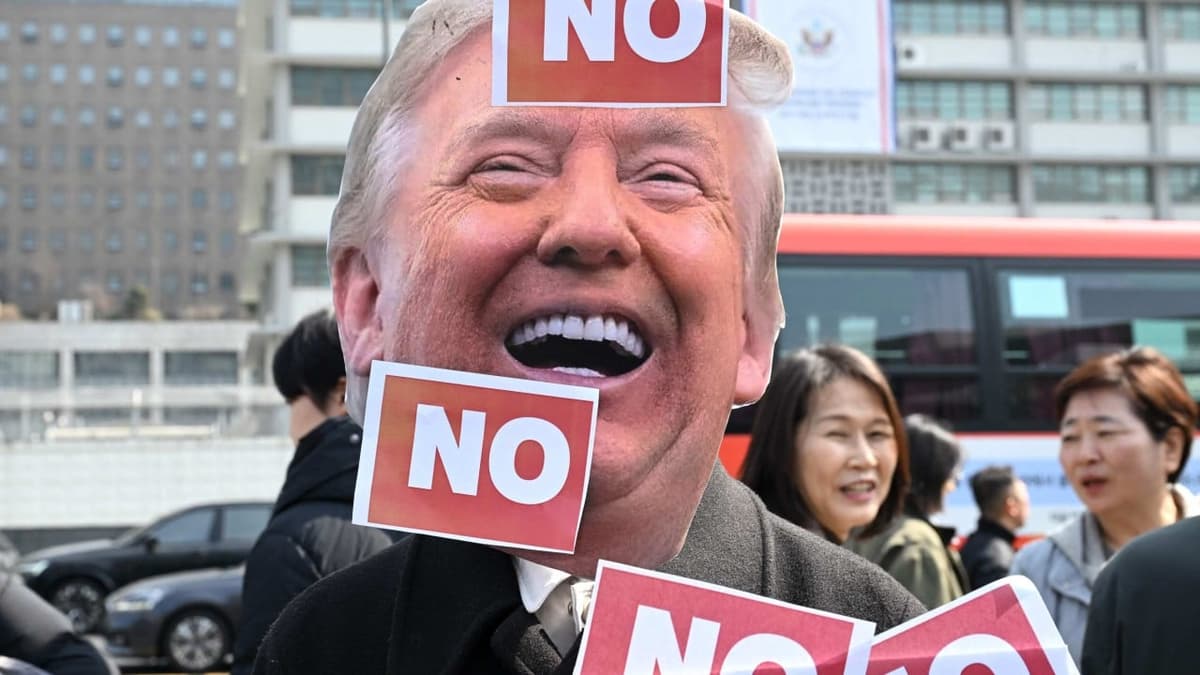
Thanks to Trump, the Gloves Are Off. There May Be No New Global Order
Why It Matters
The shift away from a US‑led order reshapes geopolitical risk, trade dynamics, and the balance of power, compelling businesses and investors to reassess strategic exposure. Emerging coalitions and reform pressures could redefine governance structures that affect global markets and capital flows.
Key Takeaways
- •Trump's actions accelerate erosion of post‑WWII unipolar order
- •Canada’s Mark Carney proposes a coalition of middle powers
- •Minilateralism gains traction as small states seek self‑reliance
- •IMF quota reform blocked by US veto despite G24 push
- •Universities positioned as universal platform for future global coordination
Pulse Analysis
The Trump administration’s willingness to flout long‑standing alliances has exposed the fragility of the unipolar order that has underpinned global trade and security since 1945. By withdrawing from multilateral commitments and challenging institutions such as NATO and the World Trade Organization, the United States has prompted both allies and rivals to question the reliability of the existing framework. For corporations, this translates into heightened geopolitical uncertainty, supply‑chain disruptions, and a need to diversify market exposure beyond traditional US‑centric channels.
In response, a wave of alternative diplomatic architectures is emerging. Canada’s Mark Carney advocates a "midi‑lateral" coalition of middle powers—including Australia, the European Union and other economically significant but non‑hegemonic states—to craft a collective voice that can counterbalance great‑power coercion. Simultaneously, "minilateral" groups of smaller nations are quietly aligning on issues like IMF quota reform, debt relief and the strategic use of Special Drawing Rights. Although the United States still wields a 16.5 % voting share that can block major changes, the growing consensus among the G24 and G77 signals a push toward more equitable governance, especially if a financial shock forces a re‑evaluation of the status quo.
Beyond state actors, the article highlights universities as the only truly universal institution capable of diffusing knowledge and fostering innovation across borders. As artificial intelligence reshapes productivity, higher‑education networks can serve as testbeds for inclusive, cross‑regional collaboration, mitigating the risk of a bifurcated world order. For investors and policymakers, monitoring the health of these academic ecosystems offers early insight into which economies will adapt and thrive in a fragmented global landscape. The convergence of geopolitical realignment, financial reform, and educational innovation will likely dictate the next phase of international economic order.
Thanks to Trump, the gloves are off. There may be no new global order
Comments
Want to join the conversation?
Loading comments...