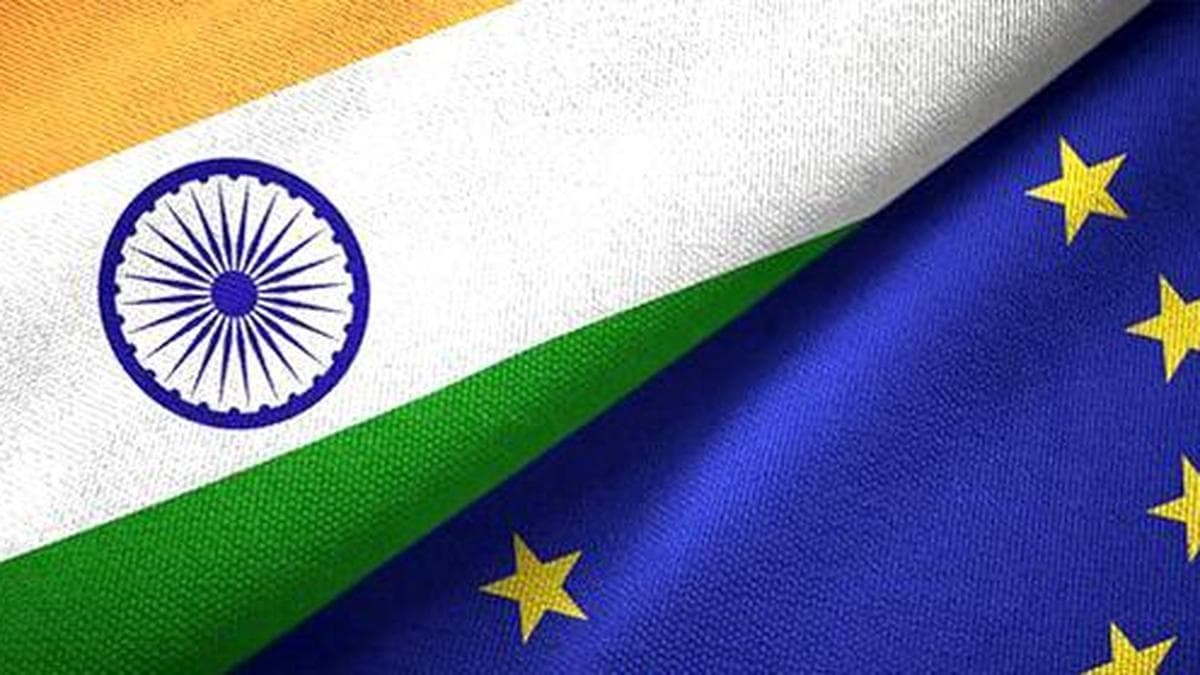
The €140 Billion Circular Handshake
•March 10, 2026
0
Why It Matters
By making sustainability credentials the new tariff, the agreement reshapes billions of euros of cross‑border commerce and accelerates climate‑aligned supply chains.
Key Takeaways
- •€136bn EU‑India trade, €4bn annual tariff savings.
- •ESPR and Digital Product Passport make data compliance essential.
- •MSMEs need financing to meet circular standards.
- •Waste Shipment Regulation could enable 2.3 Mt paper loop.
- •Rebound effect may negate environmental benefits of efficiency.
Pulse Analysis
The EU‑India FTA represents a watershed moment for trade policy, merging market liberalisation with rigorous environmental standards. Beyond headline tariff cuts, the pact obliges exporters to embed durability, traceability and carbon metrics into product data, effectively turning every good into a digital asset. This shift aligns the EU’s ambitious circular‑economy agenda with India’s rapidly expanding industrial base, creating a regulatory bridge that could redefine how value is exchanged across continents.
For businesses, the new landscape brings both opportunity and friction. Large manufacturers can leverage the Digital Product Passport to showcase compliance and win premium contracts, while smaller firms face steep upfront costs for testing, digital infrastructure and audit processes. The financing gap is stark: many Indian MSMEs operate on thin margins and lack access to patient capital, making green‑finance mechanisms, blended funding and buyer‑backed contracts essential to prevent market exclusion. Effective financing will turn sustainability requirements from a barrier into a productivity upgrade, fostering resilient, inclusive supply chains.
The broader economic and environmental stakes are equally profound. If the EU’s revised Waste Shipment Regulation clears India’s capacity to handle high‑grade scrap, a circular loop could emerge where European secondary materials feed Indian production and return as finished goods, dramatically reducing material intensity. Yet the rebound effect looms; efficiency gains may spur higher consumption, eroding climate benefits. Robust monitoring, absolute material‑use metrics and transparent product‑passport data will be critical to ensure the FTA delivers genuine decoupling of growth from resource use, positioning the corridor as a global laboratory for circular trade.
The €140 billion circular handshake
0
Comments
Want to join the conversation?
Loading comments...