The Commodities Feed: Middle East Re-Escalation Pushes Oil Prices Higher
Companies Mentioned
Why It Matters
Renewed Middle‑East tension is tightening global energy supplies, pushing oil and gas prices higher and feeding inflation concerns. The volatility also pressures safe‑haven assets, reshaping investor allocations across commodities and currencies.
Key Takeaways
- •Brent rose 5.8% to $114+ per barrel amid Gulf flare‑up
- •Fujairah exported ~1.7 m barrels/day in April despite drone attacks
- •US “Project Freedom” resumes commercial traffic through Strait of Hormuz
- •European TTF gas up 5.7% as Persian Gulf supply concerns grow
- •Gold slipped near $4,500/oz, ETF holdings down 2.2% since conflict
Pulse Analysis
The latest flare‑up in the Persian Gulf underscores how quickly geopolitical sparks can ignite commodity markets. After a brief cease‑fire, U.S. naval actions against Iranian vessels and reciprocal Iranian claims of striking a U.S. warship have reignited hostilities. Brent crude responded with a 5.8% surge, breaking the $114 per barrel barrier, while Fujairah—an offshore hub that bypasses the Strait of Hormuz—kept loading roughly 1.7 million barrels daily in April despite a drone strike on its facilities. This resilience highlights the strategic importance of alternative export routes when chokepoints are threatened.
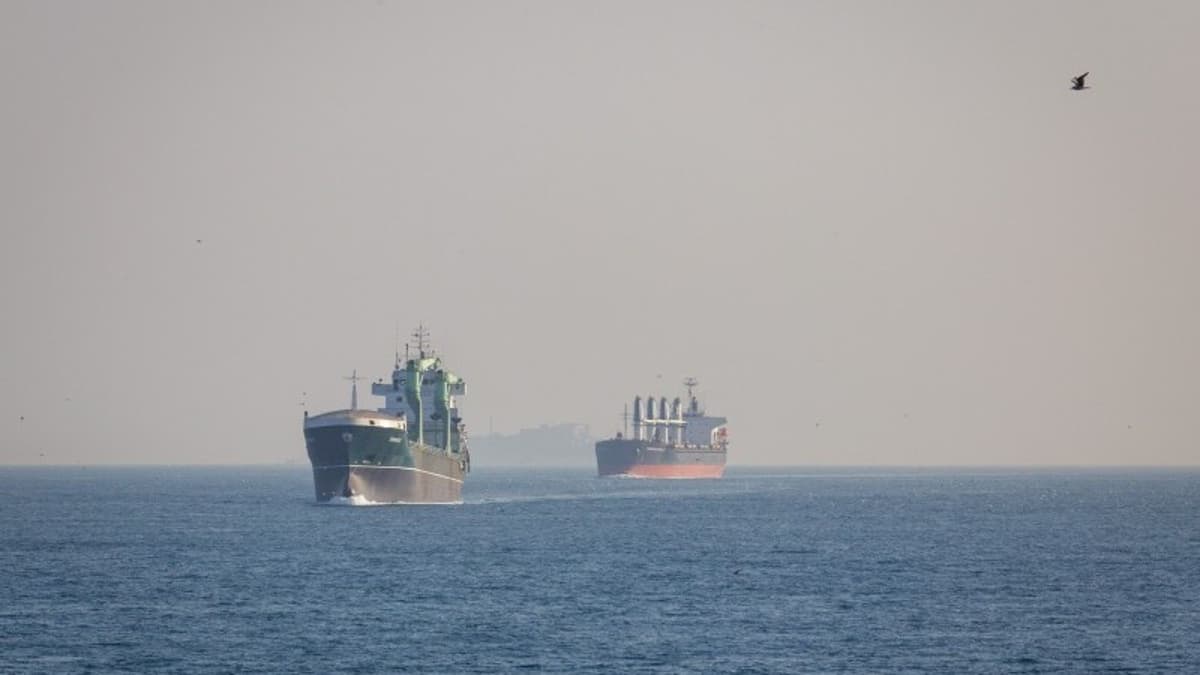
Energy traders are also watching the U.S. "Project Freedom" initiative, which has begun escorting commercial ships through the Strait of Hormuz. While the move aims to restore confidence in a critical shipping lane, each successful passage carries the risk of further military escalation. Simultaneously, European gas markets felt the ripple effect, with the TTF index climbing 5.7% to its highest level since early April. Reduced LNG imports from the Gulf and persistently high seasonal send‑outs have left European storage only about 34% full—well below the five‑year average of 46%—forcing price spikes that may eventually feed into broader industrial demand.
The commodity shock is reverberating through financial markets. Higher oil prices are lifting inflation expectations, prompting Treasury yields to climb and the U.S. dollar to strengthen. As a result, gold, traditionally a hedge against geopolitical risk, fell toward $4,500 an ounce, with ETF holdings down 2.2% since the conflict began. Investors are now weighing the trade‑off between seeking safety in precious metals and protecting portfolios from rising rates, a dilemma that could shape asset allocation strategies for the coming months.
The Commodities Feed: Middle East re-escalation pushes oil prices higher
Comments
Want to join the conversation?
Loading comments...