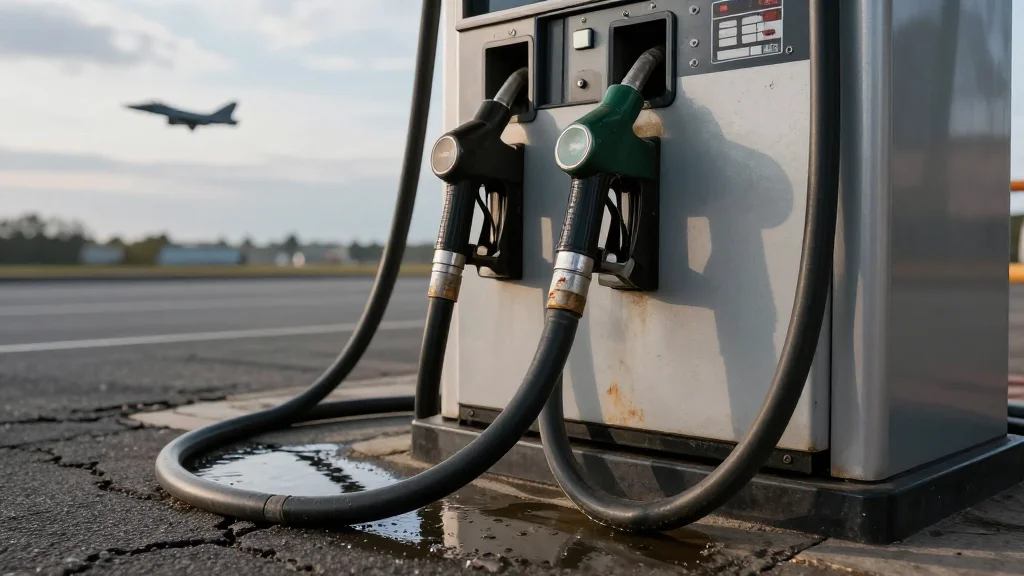
The Great Fuel Scab Grab Begins
Key Takeaways
- •Defence Minister hints at possible fuel rationing
- •Iran conflict disrupts global oil supply chains
- •Australian government downplays fuel shortage narrative
- •Potential rationing could impact transport and logistics
- •Consumer prices may rise amid supply uncertainties
Pulse Analysis
The ongoing conflict between Iran and Israel has sent ripples through the global oil market, tightening freight routes and prompting pre‑emptive stockpiling by major refiners. Crude shipments from the Strait of Hormuz—a critical chokepoint—are now subject to heightened insurance premiums and routing delays, which translate into higher spot prices for gasoline and diesel. For a commodity‑dependent economy like Australia, even modest supply shocks can amplify price volatility, especially when domestic inventories are already lean after a year of strong demand.
In Canberra, the government’s reluctance to categorically deny rationing reflects a strategic calculus: maintaining public calm while preserving policy flexibility. Minister Richard Marles’ comments, though vague, have sparked media speculation and prompted industry groups to lobby for clearer guidance. Historically, Australian authorities have employed fuel allocation measures during wartime or severe supply constraints, but the current narrative frames any such move as a temporary, targeted response rather than a systemic crisis. This nuanced messaging aims to balance political credibility with the need to act swiftly if market conditions deteriorate.
For businesses, the prospect of rationing introduces operational risk that extends beyond fuel costs. Logistics firms may face reduced haulage capacity, prompting a shift toward rail or intermodal solutions, while manufacturers could see production schedules disrupted by fuel‑related delays. Companies are advised to review contingency plans, diversify energy sources where feasible, and monitor government announcements closely. Consumers, meanwhile, should anticipate modest price increases and consider fuel‑efficient practices to mitigate the impact of any emerging constraints.
The great fuel scab grab begins
Comments
Want to join the conversation?