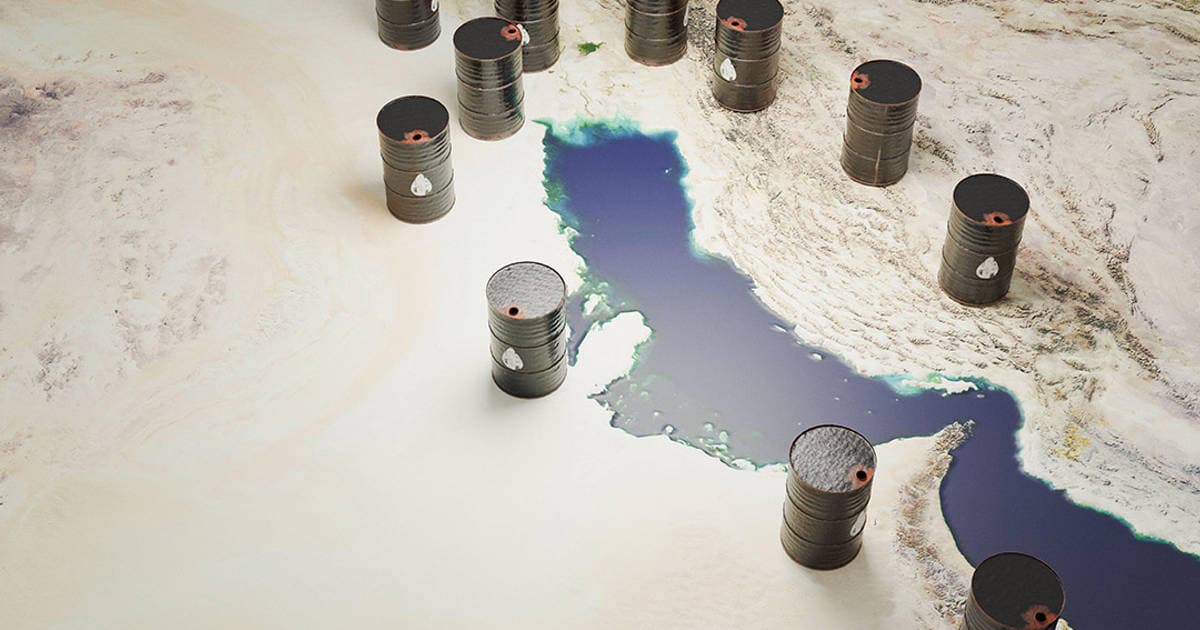
The Gulf War: Hidden Vulnerabilities and Strategic Failures
Why It Matters
The war underscores how a single geopolitical flashpoint can cripple energy‑intensive economies and accelerate inflation, forcing policymakers to rethink supply‑chain resilience. It signals that the “just‑in‑time” model is no longer viable for critical commodities.
Key Takeaways
- •Gulf war halted 40% of global oil shipments
- •South Korea faces 26‑day fuel shortage from stranded tankers
- •Qatar supplies two‑thirds of South Korea’s helium for semiconductors
- •Energy‑import vulnerability rose 17% across 11 of 13 studied nations
- •50 products depend on Gulf for ≥15% of trade, $773B value
Pulse Analysis
The sudden interruption of oil and gas flows from the Persian Gulf has sent shockwaves through economies that rely on just‑in‑time deliveries. Within days, Western Australia ran out of petrol, Pacific islands lost electricity, and the Philippines declared a national emergency. Even the United States struggled to sell its strategic reserves, with only 40% of offered barrels taken up. The immediate price spikes and looming supply crunch illustrate how modern supply chains amplify the impact of a single geopolitical event, turning a regional conflict into a global macroeconomic disturbance.
Beyond crude, the war has highlighted hidden dependencies in high‑tech and industrial sectors. South Korea, a semiconductor powerhouse, obtains nearly two‑thirds of its helium—a vital coolant for chip fabrication—from Qatar, while many nations have increased their reliance on Gulf‑sourced fertilizer and other inorganic inputs. A new strategic‑vulnerability index shows that 11 of 13 examined countries have become more exposed over the past decade, with an average 17% rise in import dependence. The data suggest that the lessons of COVID‑19’s supply‑chain shocks have not been fully internalized, leaving the global economy vulnerable to choke‑point weaponisation.
Policy makers now face a stark choice: continue to gamble on fragile, just‑in‑time logistics or invest in securitised, diversified supply routes. The Gulf is only one of many strategic bottlenecks; the Straits of Malacca, Suez Canal, and Panama Canal present similar risks. Strengthening strategic stockpiles, expanding tanker fleets, and fostering regional energy partnerships could mitigate future disruptions. As hostile powers increasingly weaponise trade routes, nations that fail to secure their critical inputs risk economic destabilisation and political upheaval, making supply‑chain resilience a cornerstone of national security.
The Gulf War: Hidden Vulnerabilities and Strategic Failures
Comments
Want to join the conversation?
Loading comments...