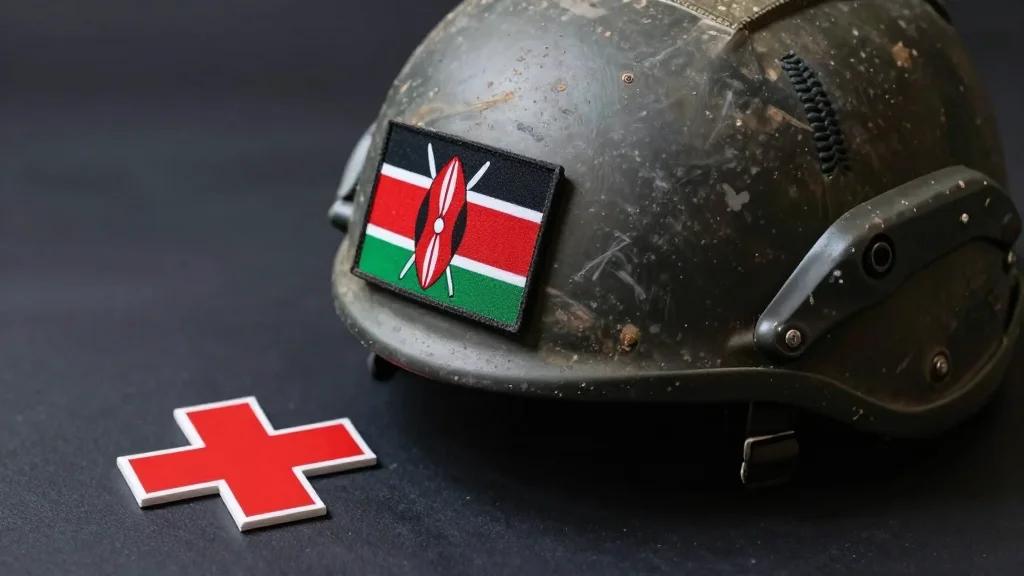
The Hidden Risk in Africa’s Ukraine War Returnees
Why It Matters
The influx of battle‑hardened returnees could destabilize communities and fuel illicit violence, while inadequate reintegration burdens health systems and security agencies across Africa.
Key Takeaways
- •Up to 2,700 Africans recruited for Russia‑Ukraine war, many from Kenya
- •Kenya repatriated 11 citizens; 38 in Russian hospitals, 165 still fighting
- •Survivors face trauma, injuries, and combat skills that could threaten regional security
- •Recruitment contracts promised $12k‑$24k enlistment pay, $390‑$2,700 monthly salaries
- •Governments urged to fund medical, economic, and security reintegration programs
Pulse Analysis
The recruitment of African nationals for the Russia‑Ukraine conflict has unfolded as a covert dimension of the war, extending far beyond the expected economic fallout of food and fuel price spikes. Intelligence estimates place the total number of Africans in combat roles at roughly 2,700, with a disproportionate share hailing from Kenya. Recruiters offered lucrative signing bonuses—between $12,000 and $24,000—and monthly wages up to $2,700, often cloaked in contracts written in Russian. This financial lure, combined with promises of citizenship benefits, has drawn a vulnerable segment of the population into a foreign battlefield, complicating diplomatic efforts to curb the flow.
Beyond the immediate human cost, the return of these combatants creates a multifaceted security dilemma for African states. Survivors bear visible injuries, but the less apparent psychological scars—post‑traumatic stress, depression, and anxiety—pose long‑term challenges for health systems already stretched thin. Moreover, the combat training they received equips them with advanced weapon handling and tactical knowledge that could be repurposed for insurgent activities, organized crime, or intra‑regional conflicts. Policymakers therefore face the urgent task of designing comprehensive reintegration programs that blend trauma counseling, vocational training, and community monitoring to mitigate the risk of a new wave of violence.
Addressing this hidden fallout requires coordinated action at both national and regional levels. Kenya’s recent diplomatic push resulted in a Russian commitment to place the country on a recruitment “stop list,” yet the stalled repatriation process highlights gaps in enforcement and legal recourse. African Union mechanisms, alongside NGOs specializing in veteran support, should be mobilized to standardize repatriation protocols, secure compensation for contract breaches, and fund psychosocial services. By integrating security, health, and economic strategies, the continent can transform a potential destabilizing force into a managed reintegration challenge, preserving both public safety and human dignity.
The hidden risk in Africa’s Ukraine war returnees
Comments
Want to join the conversation?
Loading comments...