The Iran War Is Destroying Oil Demand. Could It Also Spark a Shift to Clean Energy?
Companies Mentioned
Why It Matters
Sustained demand destruction reshapes the global energy market, accelerating the transition to renewables and redefining transportation habits worldwide.
Key Takeaways
- •U.S. gasoline price > $4.50, 40% rise since Iran war
- •44% of adults cut driving; transit ridership spikes nationwide
- •IEA forecasts 420,000 barrels/day demand contraction this year
- •Asian factories slash oil‑intensive production, deepening demand destruction
- •Crisis may accelerate EV, solar, and battery market growth
Pulse Analysis
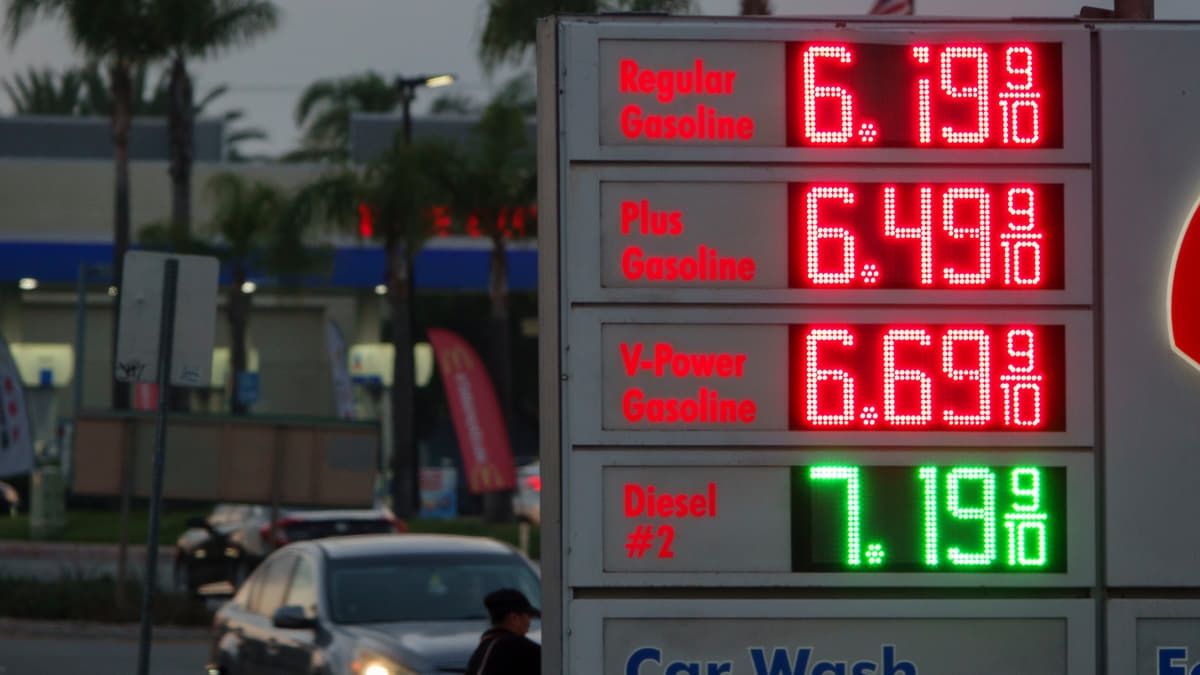
The current oil shock, sparked by the Iran conflict, has sent U.S. pump prices soaring past $4.50 per gallon, a level that has forced nearly half of American drivers to rethink daily travel. Survey data shows a sharp uptick in public‑transit use from cities like Cincinnati to Los Angeles, while sales of used electric and hybrid vehicles have surged. Economists describe this as "demand destruction," a long‑term reduction in oil consumption that goes beyond a temporary dip, and the International Energy Agency now expects a 420,000‑barrel‑per‑day shortfall for the year.
Asia, which historically drives the bulk of future oil growth, is feeling the pinch most acutely. Factories in Japan have cut petrochemical output, South Korea’s gasoline demand fell about 5%, and Chinese exporters of solar panels, batteries and electric vehicles have reported record shipments. Policy leaders, from South Korea’s president to regional governments in Pakistan and the Philippines, are instituting shorter workweeks and renewable‑energy pledges, signaling a broader strategic pivot away from fossil fuels. The convergence of high prices, supply risk, and increasingly cost‑competitive clean technologies is creating a fertile environment for rapid electrification across transport and power sectors.
The longer‑term implications hinge on whether these behavioral shifts become entrenched. Research suggests that price shocks can catalyze lasting changes when consumers discover viable alternatives, such as biking, car‑pooling or remote work. If the current disruption persists, it could cement a new baseline of lower oil demand, encouraging further investment in solar, wind, and battery storage. For investors and policymakers, the message is clear: the era of cheap, abundant oil is waning, and the next decade may witness a decisive acceleration toward a cleaner, more resilient energy system.
The Iran war is destroying oil demand. Could it also spark a shift to clean energy?
Comments
Want to join the conversation?
Loading comments...