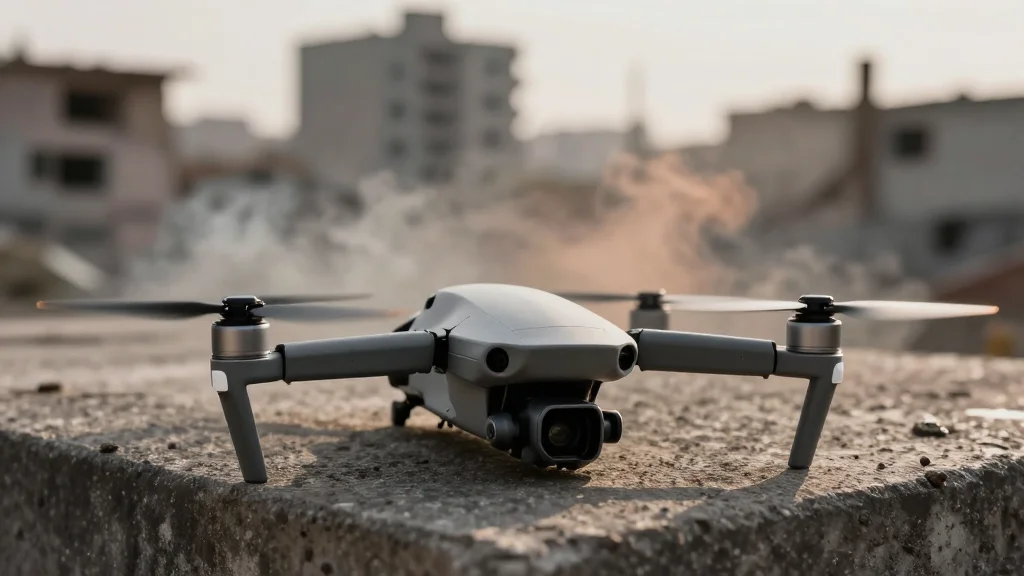
The Islamic Republic of Iran Should Be Held Accountable for Aiding Russia’s Crimes Against Ukraine
Why It Matters
Holding Iran accountable would close a critical gap in the international justice framework and help deter the spread of cheap combat drones that threaten civilian populations worldwide.
Key Takeaways
- •Iran supplied Shahed drones to Russia since Aug 2022
- •Drones enable Russia to strike Ukrainian civilians beyond frontlines
- •ICC and universal jurisdiction can prosecute Iranian officials as accessories
- •Sanctions target Iranian entities facilitating drone transfers to Russia
- •Holding Iran accountable could deter future drone proliferation
Pulse Analysis
The proliferation of Iranian‑designed Shahed drones has reshaped Russia’s war strategy in Ukraine, allowing it to conduct high‑frequency, low‑cost strikes on civilian targets far from the front lines. By establishing production facilities on Russian soil and providing operator training, Tehran has turned a modest UAV into a strategic asset that compensates for Moscow’s dwindling missile stockpiles. This partnership not only amplifies the immediate humanitarian toll but also signals a broader trend: inexpensive, export‑ready drones are becoming the preferred weapon for states seeking asymmetric leverage.
International law offers several pathways to address Iran’s role. The Rome Statute’s accessory and aid‑and‑abet provisions enable the International Criminal Court to pursue Iranian officials who knowingly facilitated attacks on civilians. Parallel domestic prosecutions under universal jurisdiction can complement ICC efforts, allowing countries such as the United States, Canada, and EU members to target individuals and entities that evade foreign prosecution. Recent reports by the Atlantic Council and C4ADS provide the evidentiary foundation needed for such cases, highlighting Tehran’s direct involvement in manufacturing, exporting, and upgrading the drones used in Ukraine.
Beyond legal accountability, strategic sanctions remain a potent deterrent. Targeted measures against Iranian firms and key officials can restrict access to financing, technology, and international markets, curbing the capacity to supply drones to conflict zones. By combining criminal prosecutions with coordinated sanctions, the international community can signal that the provision of weapons to facilitate war crimes will carry tangible consequences, helping to stem the diffusion of drone technology to other volatile regions.
The Islamic Republic of Iran should be held accountable for aiding Russia’s crimes against Ukraine
Comments
Want to join the conversation?
Loading comments...