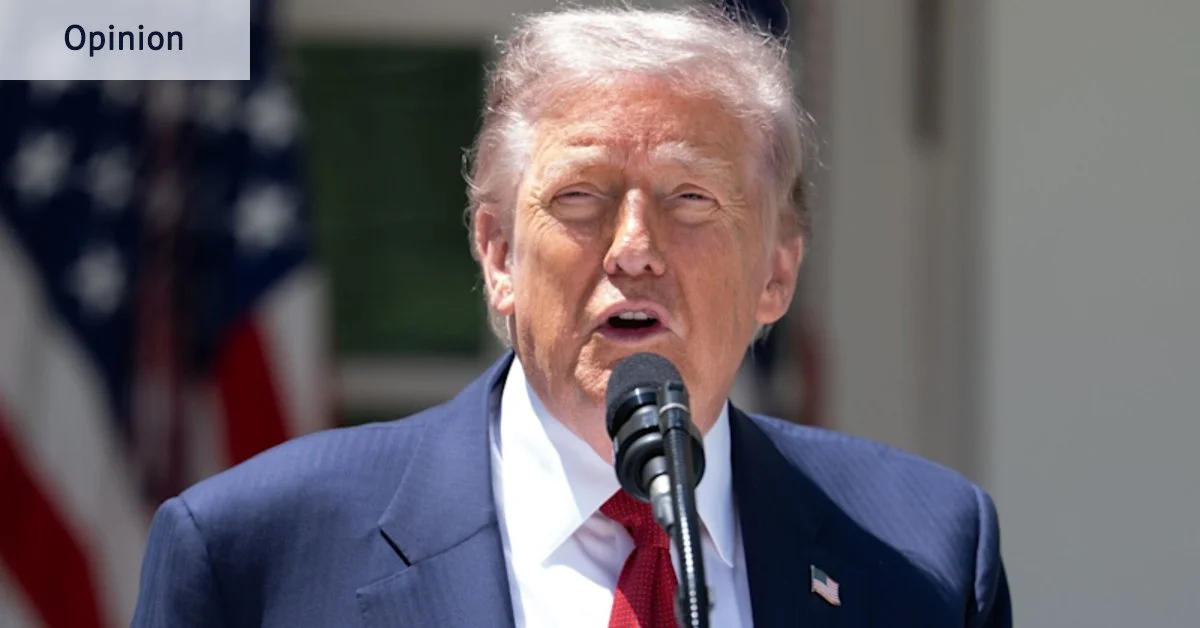
The Pain of Trump’s War Could Get Even Worse
Why It Matters
A prolonged disruption in Middle‑East oil supplies could turn a temporary price spike into a broader economic slowdown, eroding consumer savings and prompting employment cuts across vulnerable sectors.
Key Takeaways
- •US and Japan markets hit record highs despite oil shock
- •Strait of Hormuz blockage keeps oil prices elevated
- •Consumer savings eroding as fuel costs surge
- •Prolonged high energy prices could force job cuts
- •Economists warn second‑round effects will appear months later
Pulse Analysis
The current geopolitical tension surrounding the Strait of Hormuz has reignited concerns about a sustained oil supply shock. While equity markets in the United States and Japan have surged to all‑time highs, these gains mask the fragility of global energy flows. Analysts point out that the first‑round effects—spiking gasoline prices and modest shifts in consumer spending—are already evident, but markets are betting on a swift diplomatic resolution that may be overly optimistic. This divergence between market sentiment and real‑economy risk sets the stage for potential volatility.
Beyond the headline price increases, the deeper economic consequences are beginning to surface. Household savings in several economies have already been tapped to cover higher fuel costs, according to ANZ Bank’s chief economist Richard Yetsenga. If energy prices remain elevated, consumers are likely to curtail non‑essential purchases, creating a cascade of reduced revenue for retailers, airlines, and ride‑share firms. Such second‑round effects can translate into cost‑cutting measures, including reduced hours or layoffs, thereby converting a price shock into an employment shock. Economists like Saul Eslake emphasize that these ripple effects often materialize months after the initial disruption, making them harder to predict.
Policymakers and investors must therefore monitor not just the headline oil price but the duration of the Strait’s blockage. A month‑long extension could push the global economy into a peak‑phase oil shock, as ANZ forecasts, while a swift reopening would likely ease inflationary pressures and restore confidence. In the meantime, central banks may need to balance tightening cycles against the risk of stalling consumer demand. The ultimate trajectory will depend on diplomatic breakthroughs, but the warning signs suggest that the worst of the oil shock may still be ahead, with significant implications for growth, employment, and financial stability.
The pain of Trump’s war could get even worse
Comments
Want to join the conversation?
Loading comments...