Why It Matters
Understanding wartime commerce informs policymakers on balancing security with economic resilience, especially as great‑power rivalry intensifies.
Key Takeaways
- •War rarely stops cross‑border trade
- •Supply‑chain de‑risking drives policy shifts
- •Rare‑earth embargo highlights resource leverage
- •Decoupling reshapes global market architecture
- •Economic interdependence mitigates conflict costs
Pulse Analysis
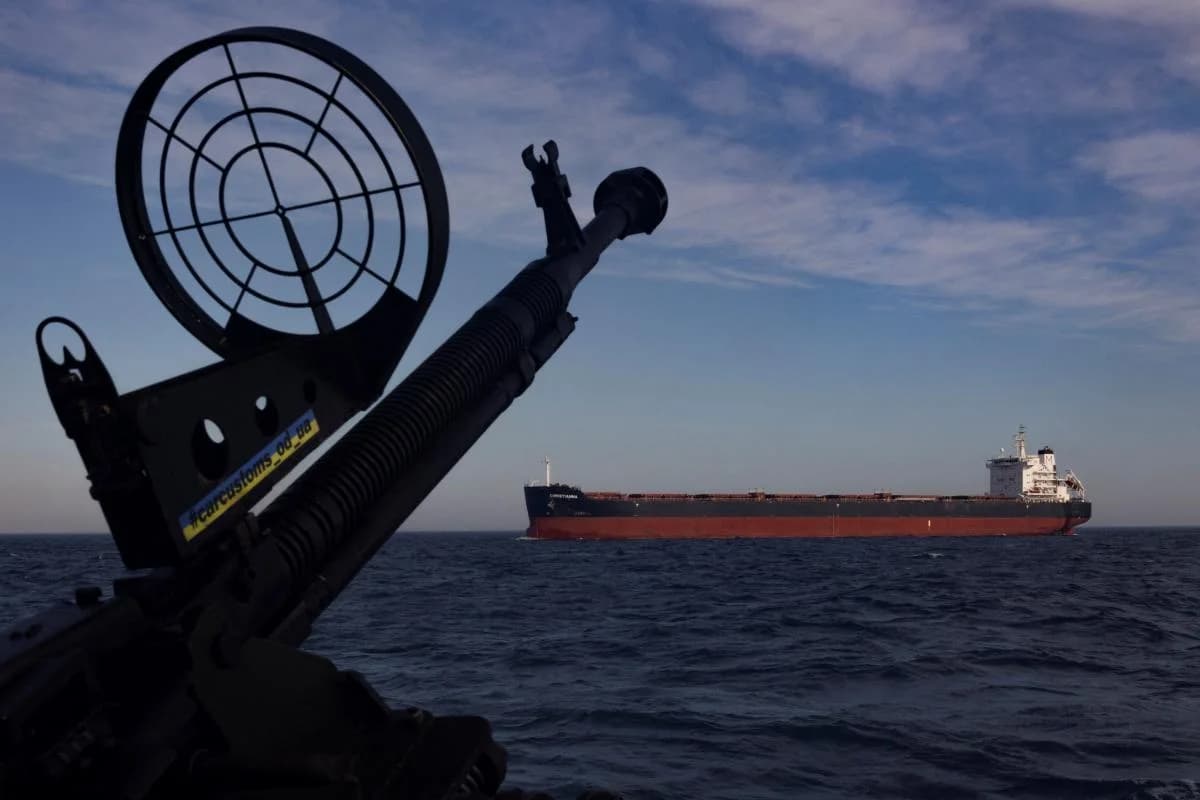
Wartime commerce defies the intuitive notion that conflict severs economic ties. History shows that even during full‑scale wars, states maintain trade routes to secure food, fuel, and strategic materials. Modern conflicts, from the Black Sea skirmishes to the South China Sea disputes, illustrate how maritime logistics and digital finance adapt to hostile environments, ensuring that essential commodities keep flowing. This resilience is not merely accidental; it reflects calculated decisions by governments to preserve national security through economic continuity.
The United States’ current debate over "de‑risking" versus outright decoupling from China underscores the strategic calculus behind wartime trade. By encouraging domestic production and allied sourcing, Washington aims to reduce exposure to potential Chinese export bans, such as the 2025 rare‑earth restriction. Yet analysts warn that a wholesale break could trigger supply shortages and higher costs, weakening the very resilience the policy seeks to protect. A nuanced approach—targeted friend‑shoring combined with diversified trade partners—offers a more sustainable path, allowing the U.S. to safeguard critical inputs while still engaging in selective commerce with adversaries.
For businesses and investors, the paradox of wartime commerce signals both risk and opportunity. Companies that embed supply‑chain flexibility, invest in alternative materials, and monitor geopolitical risk indicators can capitalize on shifting trade patterns. Meanwhile, policymakers must balance security imperatives with the economic fallout of disrupting established trade networks. As great‑power tensions persist, the ability to trade under fire will remain a decisive factor in global economic stability.
The Paradox of Wartime Commerce


Comments
Want to join the conversation?
Loading comments...