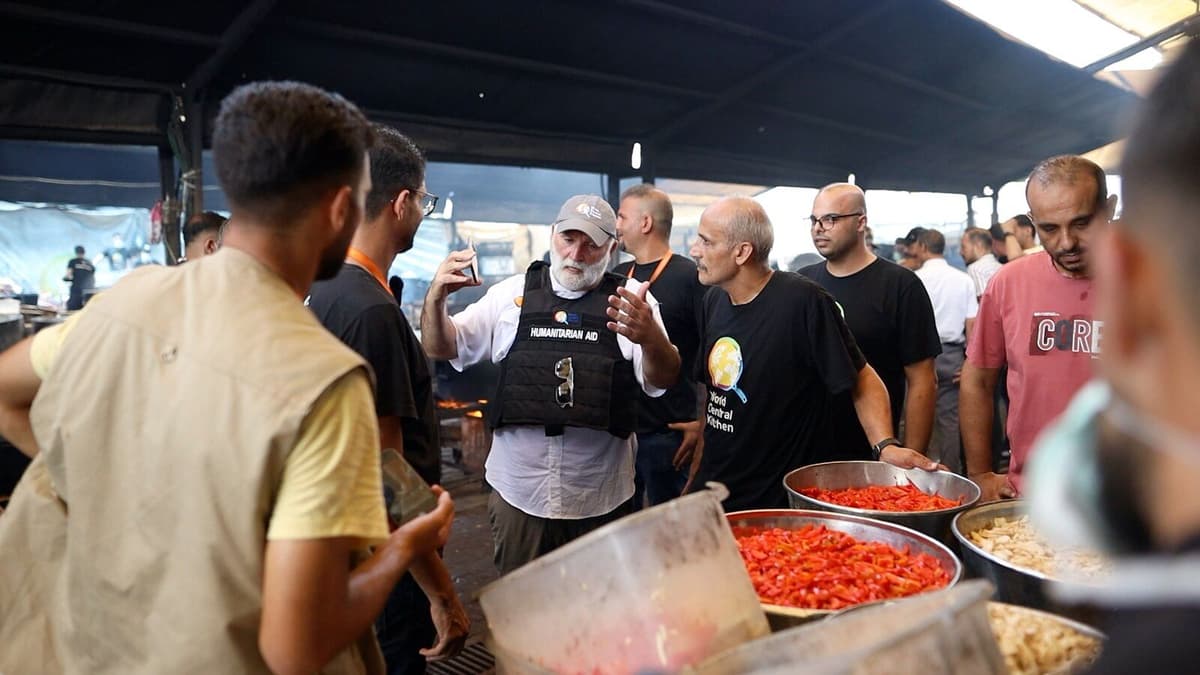
The Right to Food
Why It Matters
Rising energy and commodity costs threaten the continuity of large‑scale humanitarian food programs, jeopardizing the nutrition of millions in conflict zones. Sustained funding is essential to prevent a humanitarian crisis from escalating into widespread hunger.
Key Takeaways
- •WCK served over 313 million meals in Gaza since 2021.
- •Operations rely on 60+ community kitchens, field kitchens, mobile bakeries.
- •Iran‑related oil price surge raised rice costs 30% and meat 10‑20%.
- •Higher gasoline prices increase delivery costs, forcing service reductions.
- •$500 million invested locally creates multiplier effect for Gaza economy.
Pulse Analysis
Food is the primary energy source for people, yet global attention often skews toward oil and gas markets. The ongoing conflict in Iran has disrupted oil flows through the Strait of Hormuz, inflating crude prices and, by extension, the cost of fertilizers and transport fuels worldwide. These price spikes ripple through agricultural supply chains, driving up staple prices such as rice, chicken and beef. For regions already strained by conflict, like Gaza, even modest increases translate into significant food insecurity for vulnerable households.
World Central Kitchen (WCK) has become a logistical linchpin in Gaza’s humanitarian landscape, delivering up to one million hot meals daily through a network of more than 60 community kitchens, large field kitchens and mobile bakeries. Since its inception, WCK has provided over 313 million meals, while injecting roughly $500 million into the local economy—a figure that multiplies as wages are spent on housing, services and small businesses. This model not only feeds people but also sustains livelihoods, creating a resilient micro‑economy amid broader instability. Yet the recent surge in oil‑derived costs has eroded margins, with rice prices up 30% and meat 10‑20%, while gasoline price hikes inflate delivery expenses.
The funding shortfall underscores a broader dilemma: humanitarian agencies increasingly depend on small‑donor contributions that cannot absorb macro‑economic shocks. To maintain life‑saving operations, the international community must mobilize large‑scale, predictable financing that bypasses bureaucratic delays. Strengthening food security in Gaza not only averts immediate starvation but also stabilizes the region, reducing the risk of further displacement and conflict. Prompt, coordinated financial support is therefore a strategic imperative for both humanitarian and geopolitical stability.
The right to food
Comments
Want to join the conversation?
Loading comments...