Why It Matters
The aggressive stance threatens NATO cohesion, disrupts trade flows, and could weaken collective security against emerging global threats.
Key Takeaways
- •Trump threatened Denmark’s Greenland, sparking NATO diplomatic alarm
- •U.S. tariffs rose on EU steel, aluminum, raising trade tensions
- •Trump praised Europe’s far‑right parties, undermining centrist alliances
- •Orban met Vance, signaling U.S. outreach to nationalist leaders
- •Analysts warn misreading could erode long‑standing transatlantic security
Pulse Analysis
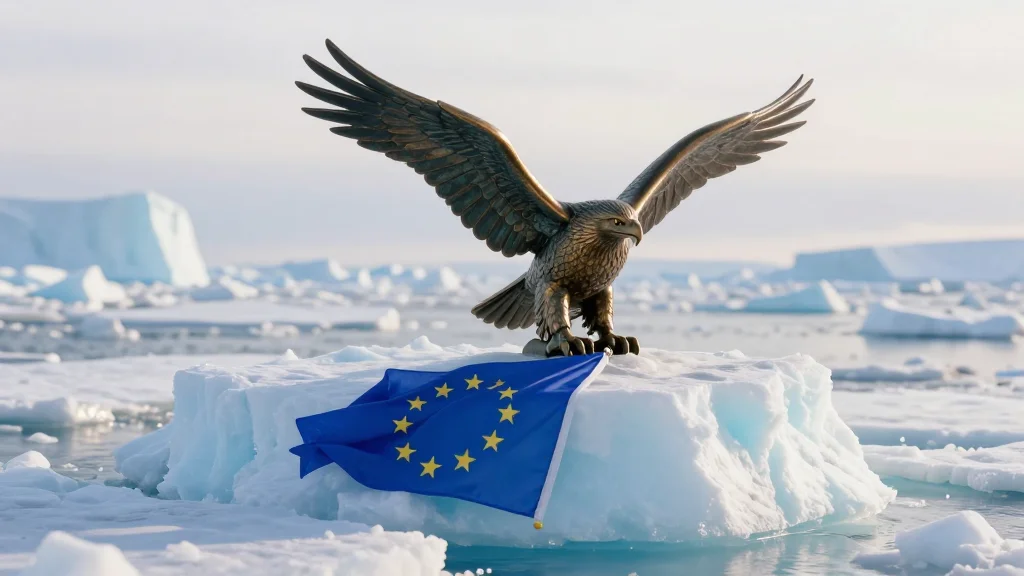
Trump’s overtures to Europe have moved from cautious engagement to confrontational posturing, a pivot that reverberates across diplomatic, economic, and security domains. By publicly flirting with the idea of annexing Greenland, the administration challenged Denmark’s sovereignty and forced NATO allies to reassess crisis‑response protocols. The move underscores a broader strategy of leveraging territorial rhetoric to extract concessions, a tactic that strains the credibility of U.S. commitments under the Atlantic Charter.
Economic pressure has been another lever, with the U.S. imposing steep tariffs on European steel and aluminum under the pretext of national security. These duties have inflated import costs for EU manufacturers, prompting retaliatory measures and threatening the integrated supply chains that underpin both continents’ automotive and aerospace sectors. Business leaders warn that prolonged tariff wars could erode the competitive edge of transatlantic trade, prompting firms to diversify away from traditional markets.
Politically, Trump’s alignment with far‑right parties and nationalist leaders like Viktor Orban signals an attempt to reshape the ideological landscape of the alliance. By endorsing populist narratives, the U.S. risks alienating centrist parties that have historically anchored EU‑U.S. cooperation. Security analysts caution that this ideological drift could undermine coordinated responses to Russian aggression and other geopolitical challenges, ultimately weakening the strategic foundation of the transatlantic partnership.
The Transatlantic MAGA Fantasy
Comments
Want to join the conversation?
Loading comments...