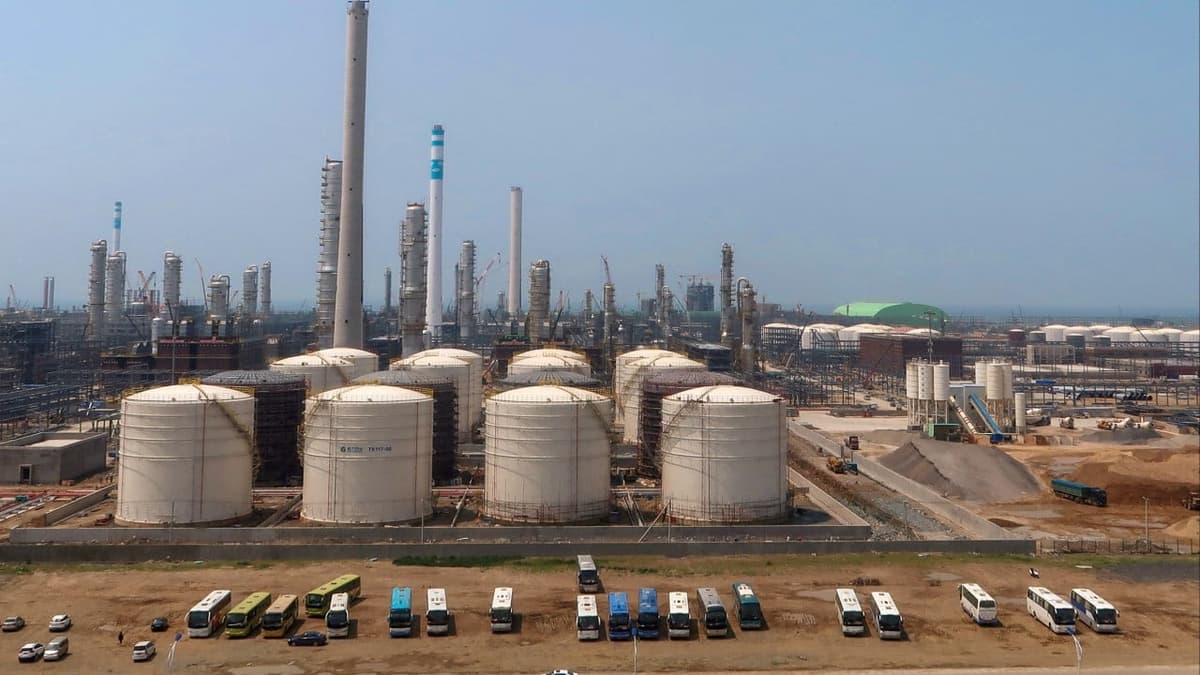
The US Sanctioned Chinese Oil Refineries. Now China Is Really Pushing Back
Companies Mentioned
Why It Matters
The injunction directly challenges U.S. secondary sanctions, risking a retaliatory clash that could disrupt global oil trade and financial flows. It signals Beijing’s growing willingness to protect its firms and assert sovereignty in geopolitical disputes.
Key Takeaways
- •China bans compliance with U.S. sanctions on five refineries under Blocking Rules
- •Order threatens lawsuits against banks or suppliers cutting ties with firms
- •Hengli Petrochemical’s SDN listing raises concerns for China’s energy security
- •The move escalates U.S.-China tensions ahead of President Trump’s China visit
- •Analysts warn the injunction could create enforcement headaches for U.S. sanctions regime
Pulse Analysis
The United States has intensified its campaign against Iran’s illicit oil trade by designating five Chinese refiners, including the massive Hengli Petrochemical, on its Specially Designated Nationals list. In response, Beijing invoked the 2021 Rules on Counteracting Unjustified Extraterritorial Application of Foreign Legislation—often called the "Blocking Rules"—to issue a nationwide order forbidding compliance with the sanctions. This marks the first time China has used the upgraded framework to issue a formal injunction, signaling a shift from diplomatic protest to a legally enforceable countermeasure that could expose foreign entities to Chinese litigation.
For multinational banks, insurers and logistics firms, the decree creates a stark compliance dilemma. On one hand, adhering to U.S. sanctions protects access to the American financial system; on the other, defying the Chinese order could trigger lawsuits for damages in Chinese courts, potentially amounting to billions of yuan. The risk of dual penalties may force companies to adopt a case‑by‑case approach, increasing compliance costs and legal uncertainty across the oil‑trading value chain. Moreover, the move could hamper the flow of Iranian crude through Chinese channels, tightening global oil supplies and nudging prices higher, especially if other nations follow Beijing’s lead.
Geopolitically, the timing is critical. The injunction arrives weeks before President Donald Trump’s scheduled visit to China, a trip expected to address trade imbalances, Boeing sales and broader strategic issues. Analysts warn that any escalation over the sanctions could become a bargaining chip in the talks, with both sides testing each other's resolve. The episode underscores a broader trend: China’s willingness to weaponize its legal system to shield domestic interests, and the United States’ reliance on secondary sanctions to project power abroad. How the two powers navigate this clash will shape the future of cross‑border enforcement and the stability of global energy markets.
The US sanctioned Chinese oil refineries. Now China is really pushing back
Comments
Want to join the conversation?
Loading comments...