The War's Effect on Consumers Is Starting to Show
Companies Mentioned
Why It Matters
The emerging pressure on consumer spending and corporate liquidity could tighten credit conditions and force firms to bolster reserves, foreshadowing a broader macroeconomic slowdown if high gas prices persist.
Key Takeaways
- •Chicago Fed's activity index fell to –0.20 in March, hinting slowdown
- •Huntington Bancshares parked an extra $4 billion at the Fed for safety
- •American Express saw March surge in refunds from canceled Middle East travel
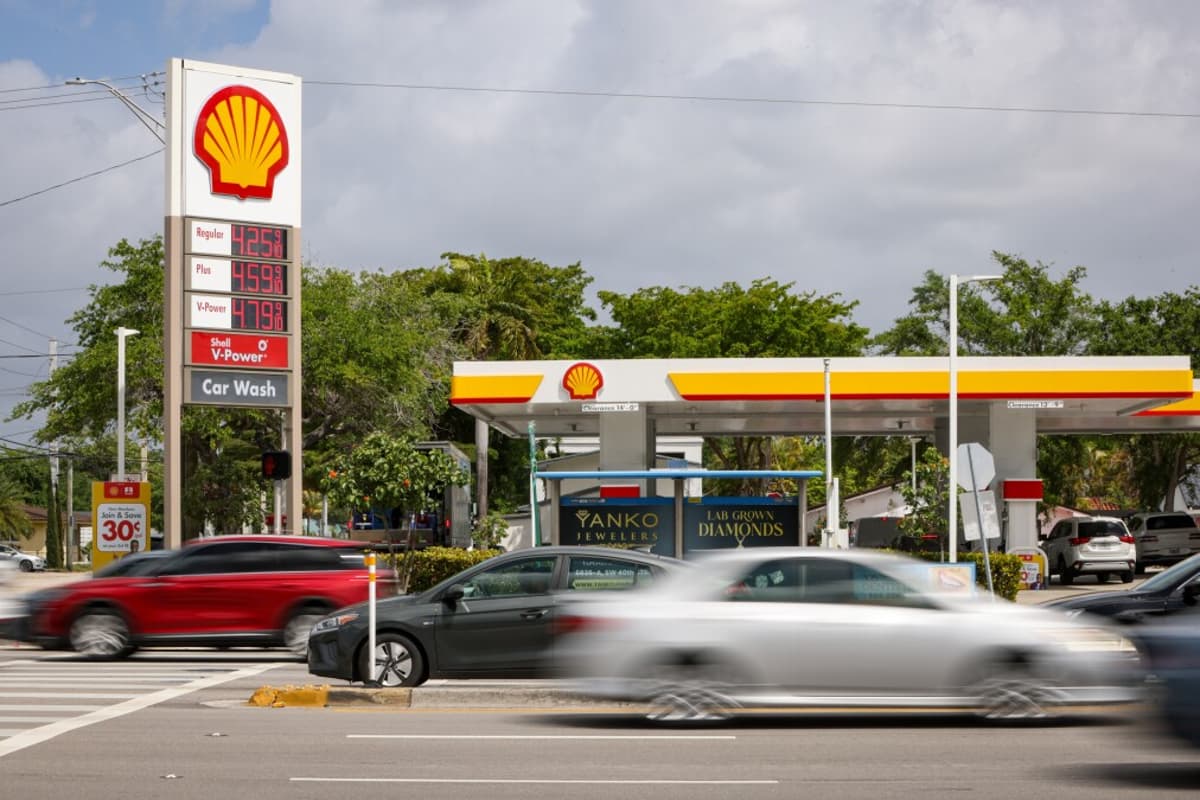
- •Gas prices rose from $2.98 to $4.16 per gallon in six weeks
- •Credit‑card delinquencies fell, yet issuers curb growth amid war uncertainty
Pulse Analysis
The war’s indirect shock to the U.S. economy is manifesting through energy markets first. Crude price spikes have pushed gasoline from under $3 a gallon in late February to more than $4 by early April, a level that historically curtails discretionary travel and prompts consumers to trim broader household budgets. The lag between headline oil news and pump‑price reality means the full impact on retail spending may not appear for several weeks, but early signs of reduced mileage and delayed purchases are already surfacing in retail traffic data.
Financial institutions are responding with a mix of caution and resilience. While the largest banks reported earnings that barely reflected the conflict, mid‑size players like Huntington Bancshares chose to allocate an additional $4 billion in excess reserves at the Federal Reserve, effectively creating a liquidity cushion against potential market volatility. Credit‑card issuers, including Bread Financial and American Express, highlighted modest operational ripples—most notably a March spike in refunds tied to canceled Middle East travel—while still posting earnings growth. The simultaneous drop in delinquencies suggests that, for now, consumers are managing debt despite higher fuel costs, but issuers are dialing back aggressive expansion plans.
Looking ahead, sustained high gasoline prices could translate into broader price pressures across sectors that depend on transportation and logistics, nudging the Consumer Price Index upward and potentially prompting the Federal Reserve to reassess its rate trajectory. Companies with strong balance sheets may continue to hoard cash, while those with tighter margins could feel the squeeze sooner. For investors and policymakers, monitoring the lagged transmission of energy costs into consumer behavior will be key to gauging whether the war’s economic imprint remains a short‑term blip or evolves into a more persistent drag on growth.
The war's effect on consumers is starting to show
Comments
Want to join the conversation?
Loading comments...