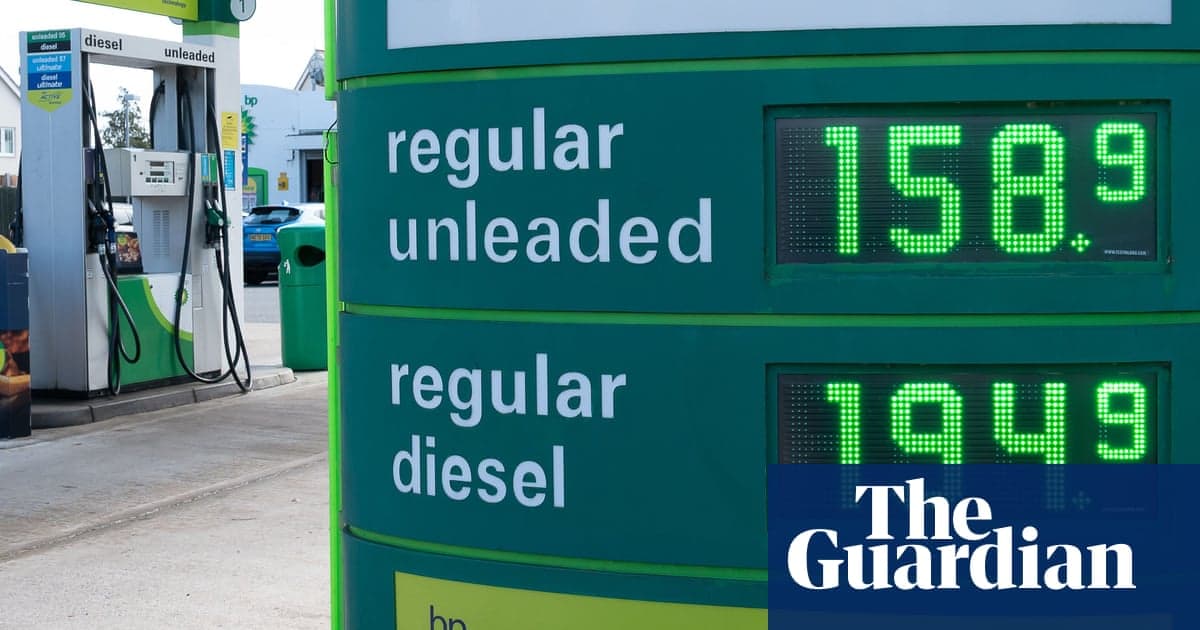
Tory Ex-Chancellor Jeremy Hunt Proposes ‘Social Tariff’ to Help Less Well-Off with Energy Bills
Companies Mentioned
Why It Matters
By cushioning the most vulnerable households, the social tariff could blunt a projected $610 income loss for millions and shape UK fiscal policy amid volatile oil prices and upcoming budget decisions.
Key Takeaways
- •Social tariff targets low‑income families, costs £3.7bn ($4.7bn).
- •Hunt proposes £5‑10bn ($6.3‑$12.7bn) one‑year funding.
- •Households face £480 ($610) income loss due to higher energy.
- •Energy prices above $100/barrel, pressure on living standards.
- •Higher‑income users may see modest bill increases.
Pulse Analysis
The UK’s energy market is under unprecedented strain as the Iran conflict pushes crude above $100 a barrel, translating into higher gas and electricity prices for consumers. A Resolution Foundation analysis shows the typical working‑age household could see income shrink by roughly $610, erasing the modest gains anticipated before the war. Unlike the universal subsidies deployed during the 2022 Ukraine‑driven price spike, the current environment demands a more surgical approach, prompting policymakers to explore a social tariff that isolates assistance to the most vulnerable 20% of households.
Jeremy Hunt’s social tariff proposal hinges on a £5‑10 bn (≈$6.3‑$12.7 bn), time‑limited fund that would be financed by slightly higher bills for the remaining 80% of consumers. By keeping the cost within Rachel Reeves’s fiscal rules, the plan aims to avoid the long‑term debt burden that a blanket support package would create. The targeted design also sidesteps political resistance, offering a clear narrative: wealthier households contribute marginally to protect low‑income families from energy‑price shock, a trade‑off that could gain cross‑party acceptance ahead of the November budget.
Beyond immediate relief, the social tariff raises broader questions about the UK’s energy security and clean‑energy transition. Energy UK’s chief executive stresses that reliance on volatile oil and gas imports heightens systemic risk, underscoring the urgency of accelerating renewable investments. Analysts at JP Morgan and Goldman Sachs forecast sustained high oil prices into mid‑year, suggesting that without structural reforms, future price spikes could recur. The social tariff thus serves as a stop‑gap, buying time for policymakers to embed longer‑term resilience measures while protecting household purchasing power in the short run.
Tory ex-chancellor Jeremy Hunt proposes ‘social tariff’ to help less well-off with energy bills
Comments
Want to join the conversation?
Loading comments...