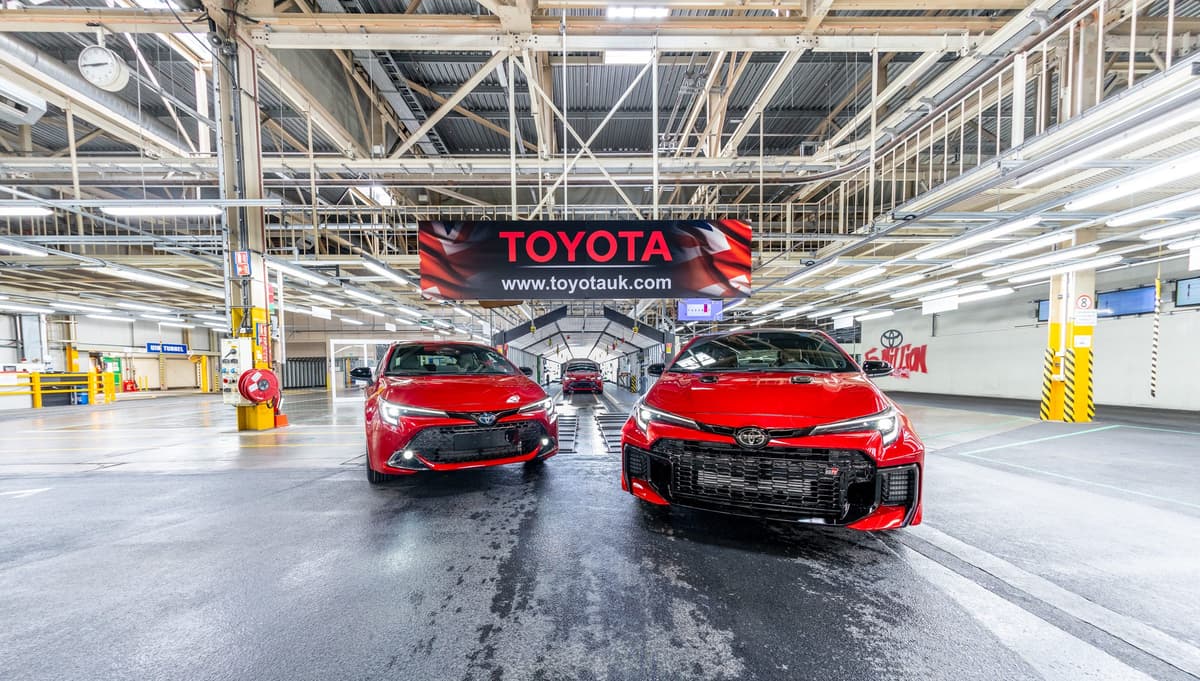
Toyota's U.K. GR Corolla Production Plan Could Increase Tariffs on All British-Made Cars in the U.S.
Companies Mentioned
Why It Matters
If the quota is breached, tariffs on British‑made cars sold in the United States could more than double, squeezing margins and potentially raising retail prices. The shift also highlights how automakers can unintentionally reshape trade dynamics under existing agreements.
Key Takeaways
- •Toyota will produce GR Corolla at Burnaston, adding 10,000 units annually
- •U.K.–U.S. quota caps British car exports at 100,000 units per year
- •Exceeding quota raises tariff from 10% to 27.5%, impacting luxury brands
- •Toyota’s shift could push total U.K. exports over quota, raising costs
- •Higher tariffs may affect pricing and competitiveness of British-made cars in U.S.
Pulse Analysis
Toyota’s decision to build the GR Corolla in the United Kingdom reflects a classic cost‑saving strategy: by moving the hot hatch from Japan, the automaker trims the import duty from 15 percent to the preferential 10 percent granted under the U.K.–U.S. trade pact. The Burnaston facility, already equipped with a dedicated line for the model, can output roughly 10,000 units annually, a modest figure in isolation but significant when layered onto the existing export flow from Britain. This maneuver not only reduces Toyota’s $9 billion tariff exposure for 2025 but also signals a broader trend of Japanese manufacturers leveraging European production hubs to sidestep higher duties.
The crux of the issue lies in the quota that limits all British‑built vehicles entering the U.S. market to 100,000 units per year. Currently, eight luxury brands—Aston Martin, Bentley, Jaguar, Land Rover, Lotus, McLaren, Mini and Rolls‑Royce—collectively shipped about 97,000 units last year, comfortably below the ceiling. Adding Toyota’s 10,000‑unit stream would push total exports past the threshold, automatically raising the tariff to 27.5 percent for the entire block. That steep increase would affect not only the luxury marques but also any future British‑origin models, potentially eroding the price advantage that has helped them gain market share in the United States.
For policymakers and industry leaders, the situation underscores the fragility of quota‑based trade frameworks in a rapidly evolving automotive landscape. If the cap is breached, manufacturers may face higher consumer prices, reduced competitiveness, and pressure to renegotiate terms or seek alternative supply chains. Some British firms could consider shifting production overseas or lobbying for a higher quota, while U.S. importers may need to absorb cost shocks or pass them onto buyers. Ultimately, Toyota’s move could catalyze a reassessment of the U.K.–U.S. agreement, prompting both sides to balance tariff relief with the need to protect the broader ecosystem of British‑made vehicles sold across the Atlantic.
Toyota's U.K. GR Corolla Production Plan Could Increase Tariffs on All British-Made Cars in the U.S.
Comments
Want to join the conversation?
Loading comments...