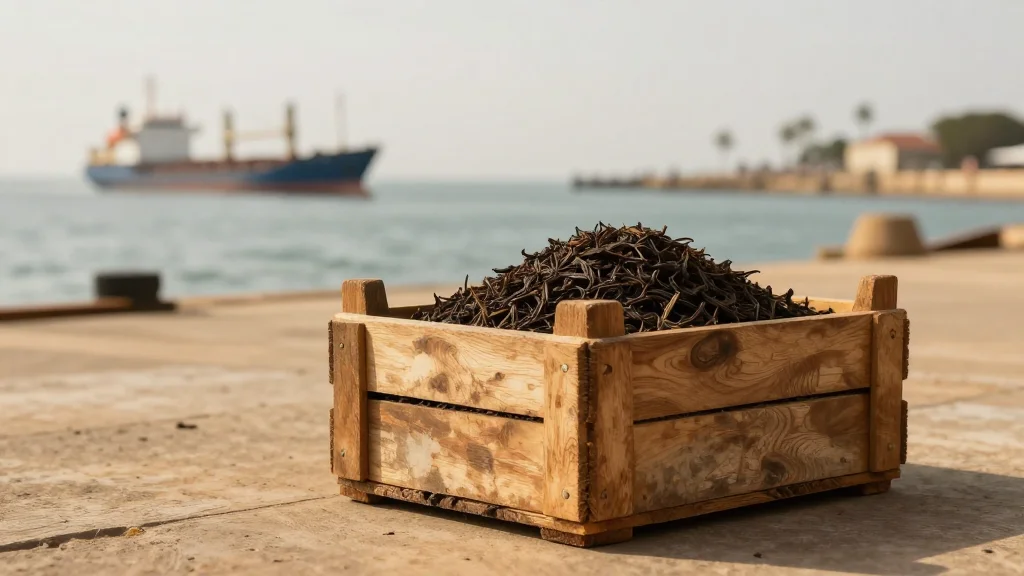
Traders Go for Burundi and Rwanda Tea over Kenyan Levy
Why It Matters
The levy jeopardizes Kenya’s lead in the global tea market and could depress smallholder earnings while opening opportunities for rival East African producers.
Key Takeaways
- •Kenyan tea levy adds ~0.8% cost, raising export price
- •Buyers shift to Rwandan and Burundian teas at Mombasa auction
- •KTDA paid roughly $3,000 weekly levy, burden passed to farmers
- •Pakistan protests levy, threatening Kenya's key tea market
- •Levy proceeds allocated to farmer income, research, and infrastructure
Pulse Analysis
The Kenyan government’s decision to impose a 0.8% upfront export levy reflects a broader effort to boost smallholder earnings to Sh 100 per kilogram of green leaf (about $0.67) by 2027. While the policy aims to generate a revenue stream for farmer income stabilization, research, and infrastructure, the immediate effect has been a price premium that makes Kenyan tea less competitive at the Mombasa auction, the region’s primary export hub.
Market participants reacted swiftly. Traders redirected orders toward Rwandan and Burundian teas, which remain levy‑free, and Pakistan—a long‑standing Kenyan tea buyer—has formally protested the added cost. In the first week alone, the Kenya Tea Development Agency (KTDA) paid roughly Sh 450,000 (≈ $3,000) in levies, a figure that will cascade down to smallholder payouts. The shift not only threatens Kenya’s market share but also risks building inventory buffers that could depress future prices.
Long‑term implications hinge on how the levy revenue is deployed. With 50% earmarked for farmer income stabilization, 20% for the Tea Research Institute, and the remaining 30% for operational and infrastructural upgrades, the policy could eventually enhance productivity and earnings. However, if the market diversion persists, the government may need to recalibrate the levy or offer temporary exemptions to preserve Kenya’s reputation as a reliable tea supplier. Stakeholders are watching closely for any policy adjustments that could restore confidence among international buyers.
Traders go for Burundi and Rwanda tea over Kenyan levy
Comments
Want to join the conversation?
Loading comments...