Trump and China Vie for Influence in Latin America
Why It Matters
The shift signals a renewed U.S. focus on Latin America, reshaping security cooperation and trade dynamics while intensifying the strategic rivalry with China for the region’s resources and markets.
Key Takeaways
- •US raid captured Venezuelan President Nicolás Maduro, installed Delcy Rodríguez.
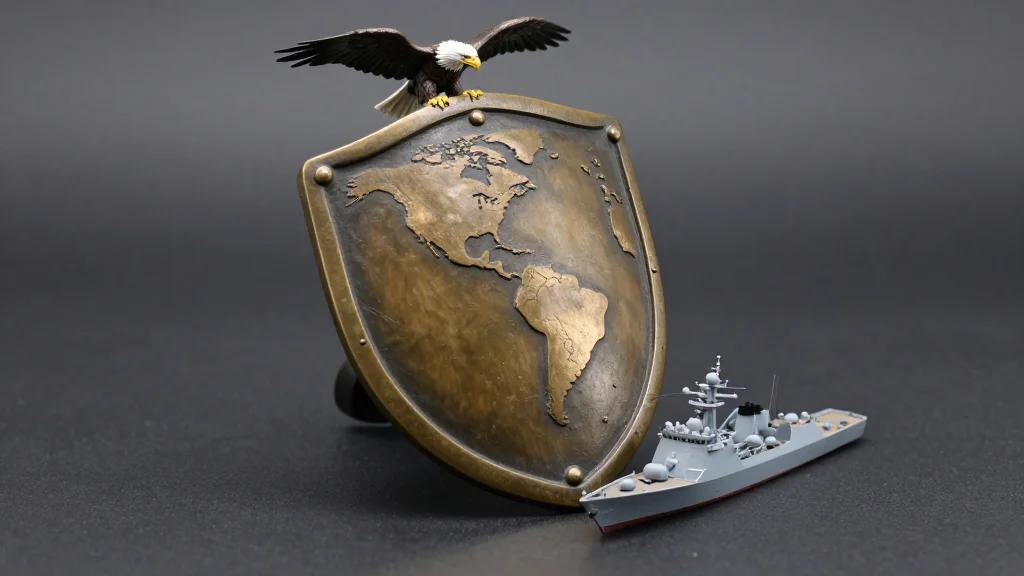
- •Shield of the Americas created to coordinate anti‑drug, anti‑China actions.
- •China‑Latin America trade surged to $518.5 bn in 2024.
- •Colombia, Brazil, Mexico absent, limiting initiative’s regional impact.
- •Brazil refuses exclusive U.S. mineral deals, keeps Beijing ties.
Pulse Analysis
The Trump administration’s 2023 National Security Strategy marks a dramatic pivot from a Europe‑centric posture to a hemispheric focus, reviving the Monroe Doctrine with a modern "Trump Corollary" aimed at preventing rival powers from owning strategic assets in the Americas. By framing the Western Hemisphere as the core of American pre‑eminence, the policy seeks to legitimize a more assertive posture, including covert operations and diplomatic pressure, that aligns with the broader "America First" narrative while appealing to domestic constituencies demanding tougher stances on drug trafficking and foreign influence.
The first tangible outcome was the January 3 raid that removed Venezuelan President Nicolás Maduro and installed his vice‑president, Delcy Rodríguez, as a pro‑U.S. leader open to American oil and mining investments. At a March summit in Doral, Trump gathered right‑leaning Latin American leaders to launch the "Shield of the Americas," a loosely structured coalition intended to coordinate military assistance against cartels and curb Chinese economic encroachment. However, the initiative’s effectiveness is hampered by the absence of key left‑wing governments in Colombia, Brazil and Mexico, nations that dominate regional drug routes and hold significant sway over trade policies.
China’s foothold in the region remains formidable, with bilateral trade climbing from roughly $12 bn in 2000 to $518.5 bn in 2024, and Brazil now exporting more to Beijing than to Europe and the United States combined. While the U.S. has secured isolated wins—such as the Venezuelan operation and a Panama court ruling against Chinese‑run ports—Brazil’s refusal to grant exclusive U.S. rights to critical minerals illustrates the limits of Washington’s leverage. Upcoming elections in Colombia and Brazil could reshape alliances, but Mexico’s leftist leadership under Claudia Sheinbaum is likely to resist U.S. military involvement, suggesting that the contest for Latin American influence will remain a nuanced, multi‑front rivalry.
Trump and China vie for influence in Latin America
Comments
Want to join the conversation?
Loading comments...