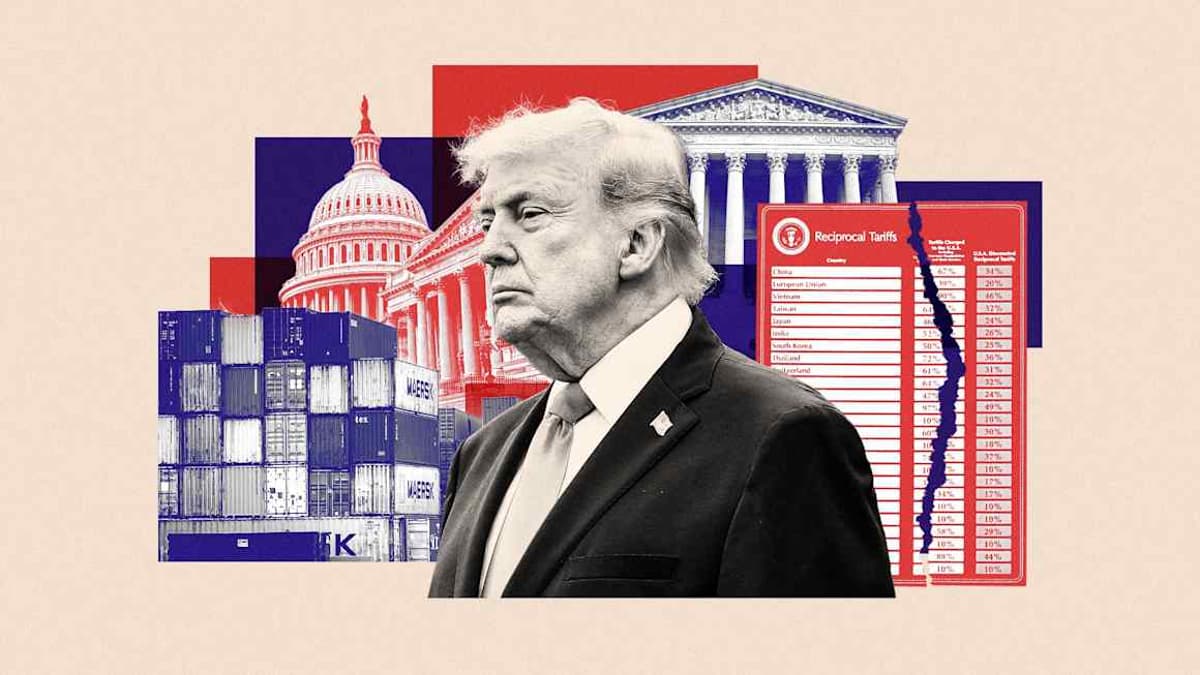
Trump Loses His Trade Superpower
Why It Matters
The loss of Trump’s trade leverage signals a return to predictable, institution‑driven commerce, reducing geopolitical volatility for multinational firms. It also reshapes the domestic political calculus around protectionism.
Key Takeaways
- •Trump's trade tariffs largely repealed by Biden administration
- •Former allies now prioritize multilateral agreements over unilateral measures
- •Political capital for trade leverage diminished after 2024 election
- •Companies adjust supply chains anticipating stable trade policy
- •Legal challenges limit Trump's ability to influence future deals
Pulse Analysis
Trump built his political brand on a confrontational trade agenda, imposing tariffs on China, the European Union, and even allies to extract concessions. Those measures, while popular with a segment of his base, created uncertainty for manufacturers and investors who faced higher costs and supply‑chain disruptions. With his departure from the White House, the administration has systematically dismantled those tariffs, restoring many pre‑Trump trade relationships and signaling a shift toward conventional diplomatic engagement.
The Biden administration’s pivot to multilateralism has immediate implications for businesses. Companies can now plan longer‑term investments without fearing abrupt tariff spikes, prompting a re‑evaluation of sourcing strategies that had been moved to higher‑cost domestic alternatives. Moreover, the removal of trade‑related political capital reduces the leverage that individual politicians can wield, encouraging a more collaborative approach between the U.S., its allies, and the World Trade Organization. This stability is especially valuable for sectors such as technology, automotive, and agriculture, where global supply chains are integral.
Looking ahead, Trump’s influence on trade policy may re‑emerge if he or his allies regain electoral power, but structural changes limit that prospect. Ongoing legal challenges to his former policies, combined with a broader international consensus on rule‑based trade, mean any future unilateral actions would face heightened scrutiny. For investors and policymakers, the key takeaway is that trade is transitioning from a personal weapon to a more predictable, institutionally governed domain, reshaping risk assessments across the global economy.
Trump loses his trade superpower
Comments
Want to join the conversation?
Loading comments...