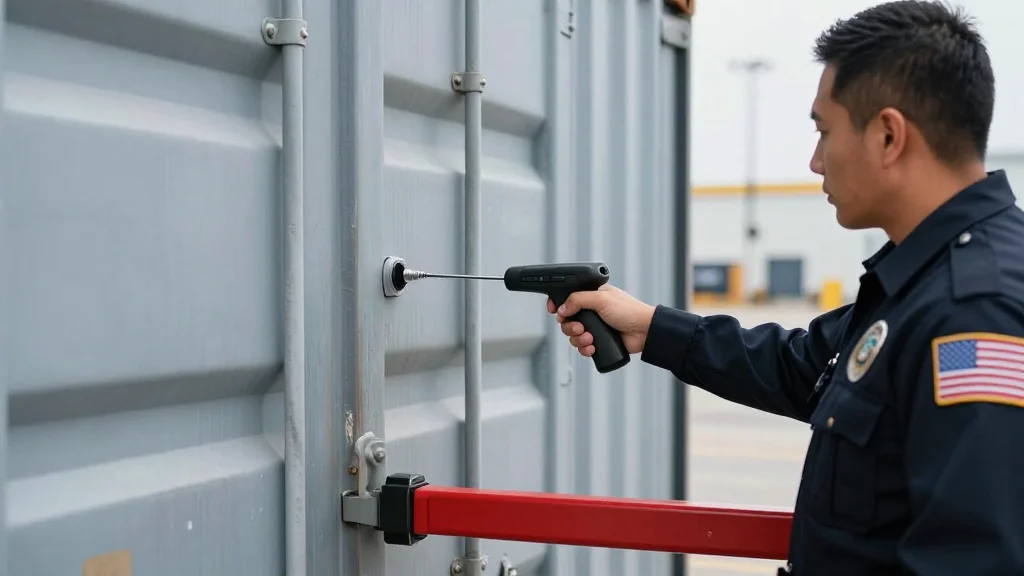
Trump Order Directs Customs to Crack Down on Tariff Cheats
Why It Matters
The order could recover tens of billions in lost duties while reinforcing America’s forced‑labor standards, reshaping global supply‑chain compliance and boosting federal revenue.
Key Takeaways
- •Executive order expands AI use for real‑time shipment tracking
- •CBP to target shell companies and false import valuations
- •Proposed 10% tariffs on 60 economies for forced‑labor goods
- •Treasury could recover tens of billions from tariff evasion
- •Rulemaking will involve industry stakeholders over next 45 days
Pulse Analysis
The Trump administration’s latest executive order marks a decisive shift toward high‑tech customs enforcement. By deploying artificial intelligence to monitor every vessel and cargo movement, Customs and Border Protection aims to flag undervalued imports, hidden origins, and illicit contraband in real time. This technological upgrade builds on years of frontline complaints about shell companies and inadequate bond requirements, promising a more transparent import‑record system that aligns with broader trade‑policy objectives.
Economically, the order targets a staggering $112 billion discrepancy between Chinese export reports and U.S. customs declarations, suggesting a substantial revenue leak. Officials estimate that tighter enforcement could capture tens of billions of dollars annually in evaded duties. Coupled with the proposed 10% tariffs on 60 nations accused of tolerating forced‑labor production, the measures signal a renewed protectionist agenda that could reshape pricing, supply‑chain strategies, and competitive dynamics for multinational manufacturers.
Politically, the rollout will test the administration’s ability to balance aggressive enforcement with industry cooperation. Stakeholder consultations are slated for the next 45 days, and several provisions will require congressional approval, hinting at a protracted rulemaking process. Companies may need to overhaul compliance programs, invest in traceability technology, and reassess sourcing from high‑risk economies. The outcome will likely influence future trade negotiations, labor‑rights advocacy, and the overall trajectory of U.S. import policy.
Trump Order Directs Customs to Crack Down on Tariff Cheats
Comments
Want to join the conversation?
Loading comments...