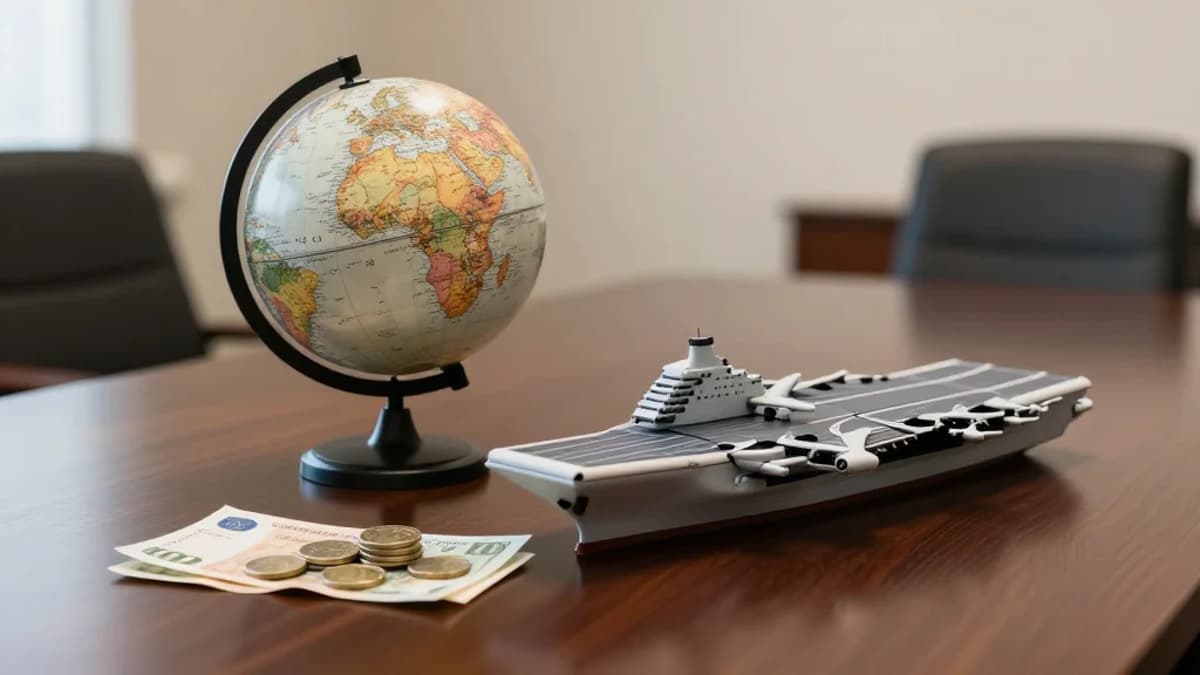
Trump Says Change of Power in Iran Would Be 'Best Thing'
•February 13, 2026
0
Why It Matters
Trump’s rhetoric and carrier deployment raise the risk of direct U.S.-Iran confrontation, potentially derailing fragile nuclear negotiations and destabilizing the broader Middle East.
Key Takeaways
- •Trump urges Iran regime change, calls it “best thing.”
- •USS Gerald Ford and Abraham Lincoln now in Middle East.
- •Iran nuclear talks stalled; US pressures Tehran over inspections.
- •Protest crackdown kills thousands, fuels opposition calls for intervention.
- •Israel urges tougher stance; US seeks diplomatic path.
Pulse Analysis
The president’s overt endorsement of regime change marks a stark departure from traditional U.S. diplomatic language, signaling a willingness to couple political pressure with kinetic force. By sending the world’s largest warship, the USS Gerald Ford, alongside the already‑deployed USS Abraham Lincoln, Washington is projecting a credible threat that could compel Tehran to return to the negotiating table, but also risks inflaming nationalist sentiment and prompting retaliatory moves from Iran’s proxy networks.
Negotiations over Iran’s nuclear program, currently in a tentative phase in Oman, are now framed by a dual narrative of diplomatic engagement and military intimidation. While U.N. nuclear watchdog chief Rafael Grossi acknowledges the technical feasibility of a verification regime, he warns that achieving consensus is "terribly difficult" amid Tehran’s distrust of U.S. intentions. Israel’s demand for a broader package that includes missile and proxy constraints further complicates the calculus, leaving the United States to balance its alliance commitments with the need to avoid a full‑scale confrontation.
Domestically, Iran’s brutal suppression of dissent—resulting in thousands of deaths and mass arrests—has amplified calls from exiled opposition leaders, such as Reza Pahlavi, for international humanitarian intervention. The convergence of human‑rights concerns, nuclear proliferation fears, and heightened U.S. military presence creates a volatile environment that could reshape regional stability. Stakeholders in energy markets, defense contracting, and foreign policy circles are closely monitoring how Washington’s rhetoric translates into concrete policy actions, as any misstep could reverberate across global supply chains and diplomatic frameworks.
Trump says change of power in Iran would be 'best thing'
0
Comments
Want to join the conversation?
Loading comments...