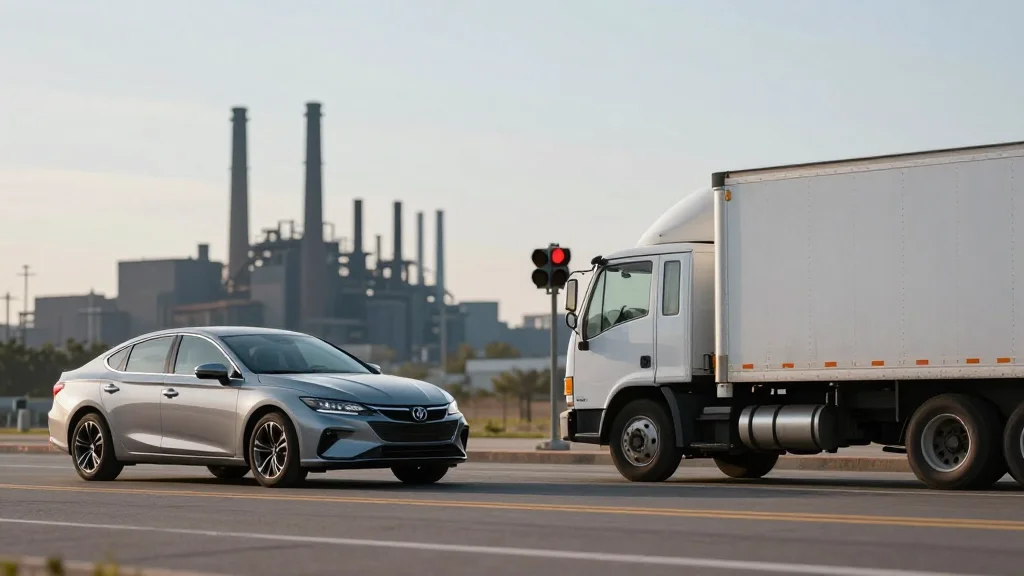
Trump Says He Will Raise Tariff on EU Vehicles to 25%
Why It Matters
A 25% tariff would significantly increase the cost of European cars in the United States, reshaping the auto market and potentially triggering retaliatory measures from the EU. The policy could also influence voter sentiment on trade and protectionism.
Key Takeaways
- •Trump proposes 25% tariff on EU‑made cars
- •Targeted at German automakers like VW, BMW, Mercedes
- •Could spark trade retaliation from the EU
- •Raises US vehicle prices, impacts consumers
- •Signals protectionist shift if Trump returns
Pulse Analysis
Donald Trump’s latest trade proposition revives the protectionist playbook that defined much of his first term. By proposing to lift the duty on European automobiles from the current 10% to 25%, he aims to pressure the EU over what he calls unfair market practices and to bolster domestic manufacturing. The move mirrors his earlier steel and aluminum tariffs, which were justified as safeguards for American jobs but sparked legal challenges and strained alliances. In the context of a looming election, the tariff proposal also serves as a political signal to voters who favor a hard‑line stance on trade.
The automotive sector would feel the immediate impact of a 25% tariff. German giants such as Volkswagen, BMW and Mercedes‑Benz, which collectively account for a sizable share of U.S. luxury‑car sales, would see their pricing models squeezed, likely passing higher costs onto American consumers. Dealerships could face reduced inventory turnover, while U.S. manufacturers might gain a modest market share boost. However, the higher price tag could also dampen demand for premium vehicles, affecting overall sales volumes and potentially slowing the industry’s shift toward electric models that rely on cross‑border supply chains.
Beyond the auto market, the tariff threatens to reignite broader U.S.–EU trade tensions. European officials have warned that a steep duty could trigger reciprocal measures on American goods, from agricultural products to technology components. Such retaliation could drag both economies into a WTO dispute, adding legal uncertainty and market volatility. Investors are likely to monitor the policy’s trajectory closely, as any escalation could reshape supply‑chain strategies, influence foreign‑direct investment decisions, and alter the competitive landscape for multinational corporations operating across the Atlantic.
Trump says he will raise tariff on EU vehicles to 25%
Comments
Want to join the conversation?
Loading comments...