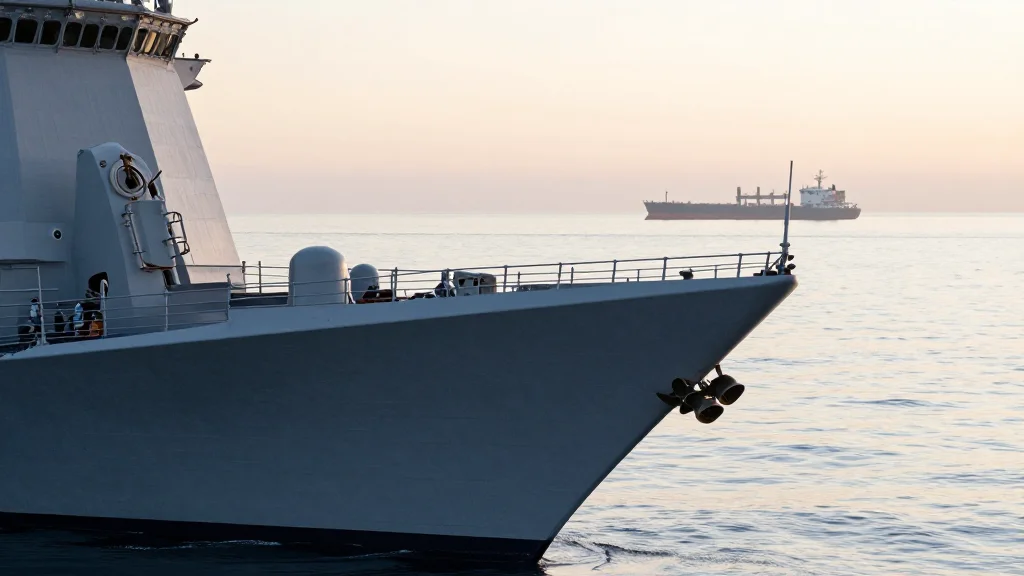
Trump Says Iran Wants to Make a Deal, Confirms Naval Blockade of Strait of Hormuz
Why It Matters
The blockade threatens global energy supplies and could trigger wider market turbulence, while diplomatic efforts to resolve the Iran‑U.S. standoff face heightened military pressure.
Key Takeaways
- •US Navy began blockade of vessels leaving Iranian ports
- •Trump says Iran seeks deal but will not allow nuclear weapon
- •Strait of Hormuz moves ~20% of oil; blockade pushes prices over $100
- •NATO allies decline to join blockade, stress need to reopen waterway
- •Iran calls US restrictions piracy, warns Gulf ports unsafe if threatened
Pulse Analysis
The United States’ decision to enforce a naval blockade around Iranian ports marks a dramatic escalation in a conflict that began on Feb. 28, when Tehran effectively sealed the Strait of Hormuz. The strait channels about 20% of global oil flow, and the blockade has already lifted Brent futures past $100 per barrel, underscoring how quickly geopolitical shocks can translate into price spikes. By targeting any vessel that pays Iran’s tolls or approaches its remaining fast‑attack craft, Washington signals a willingness to use force to protect what it deems a critical shipping lane.
Diplomatically, the move complicates already fragile talks in Islamabad, where senior U.S. and Iranian officials met last weekend. While Trump claims Tehran wants a deal, he has drawn a hard line against any nuclear accommodation, echoing long‑standing U.S. non‑proliferation goals. NATO partners, including Britain and France, have publicly declined to participate in the blockade, emphasizing the need for a neutral transit passage and warning against broader escalation. Their stance reflects a broader concern that a multinational enforcement effort could entangle allies in a protracted maritime conflict.
The broader market impact extends beyond crude prices. With the strait closed, shipping routes lengthen, raising freight costs and pressuring downstream commodities from gasoline to plastics. Investors watch closely for signs of a renewed cease‑fire or a further widening of hostilities, as any misstep could trigger a supply shock reminiscent of 1970s oil crises. For policymakers, the challenge lies in balancing deterrence of Iran’s naval ambitions with the imperative to keep global energy flows stable, a tightrope that will shape oil markets and geopolitical calculations for months ahead.
Trump says Iran wants to make a deal, confirms naval blockade of Strait of Hormuz
Comments
Want to join the conversation?
Loading comments...