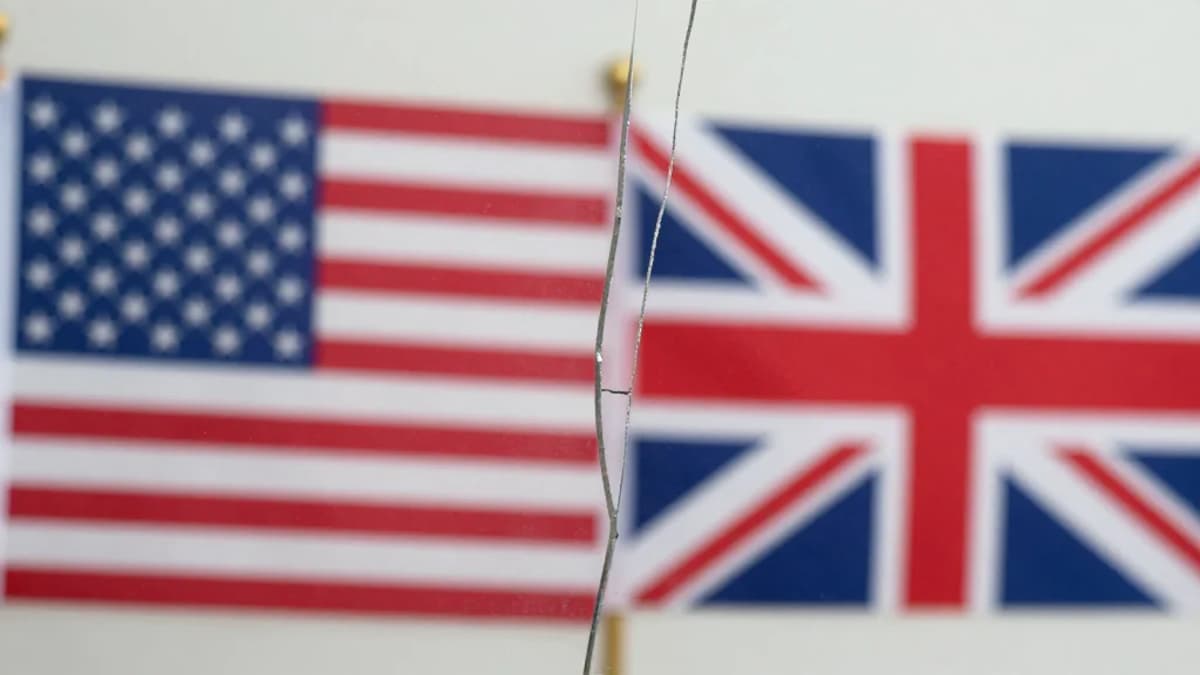
Trump Says 'Sad to See' US-UK Relationship Is Not What It Was
•March 3, 2026
0
Why It Matters
The dispute highlights friction in a historically close transatlantic security bond, potentially complicating coordinated responses to Middle‑East crises and signaling broader diplomatic strain.
Key Takeaways
- •Trump condemns UK for delaying base access.
- •Starmer prioritizes legal basis and national interest.
- •UK cites Iraq lessons influencing current stance.
- •France remains supportive of US Middle East actions.
- •Relationship strain could affect future security cooperation.
Pulse Analysis
The United States and United Kingdom have long been described as the world’s “most solid” alliance, anchored by shared intelligence, joint military exercises, and a common strategic outlook. From the Cold War to recent operations against ISIS, the partnership has enabled rapid coordination across continents. However, President Donald Trump’s recent remarks in The Sun, labeling the relationship “sad” after Britain’s hesitation to grant base access, expose a rare public rift. Such commentary underscores how political leadership changes can quickly surface underlying tensions in even the deepest bilateral ties.
Starmer’s decision to withhold immediate British support for U.S. strikes against Iran rests on a combination of legal prudence and the political memory of the 2003 Iraq invasion. In Parliament he emphasized the need for a clear UN mandate and warned that premature involvement could erode public confidence. By invoking the Iraq lesson, the UK signals a cautious approach to forward‑deployed operations, especially when the host nation’s strategic calculus diverges from Washington’s. This stance also reflects domestic pressure to avoid another costly, protracted conflict.
The fallout from this diplomatic spat could reverberate through NATO planning and defense‑industry contracts that rely on seamless U.S.–U.K. logistics. If Britain continues to limit base access, Washington may pivot to other allies such as France or regional partners, reshaping the calculus of coalition warfare in the Middle East. For businesses, the uncertainty raises questions about future joint procurement programs and the stability of supply chains for advanced weaponry. Ultimately, the episode serves as a reminder that even the strongest alliances require constant political alignment to sustain operational effectiveness.
Trump says 'sad to see' US-UK relationship is not what it was
0
Comments
Want to join the conversation?
Loading comments...