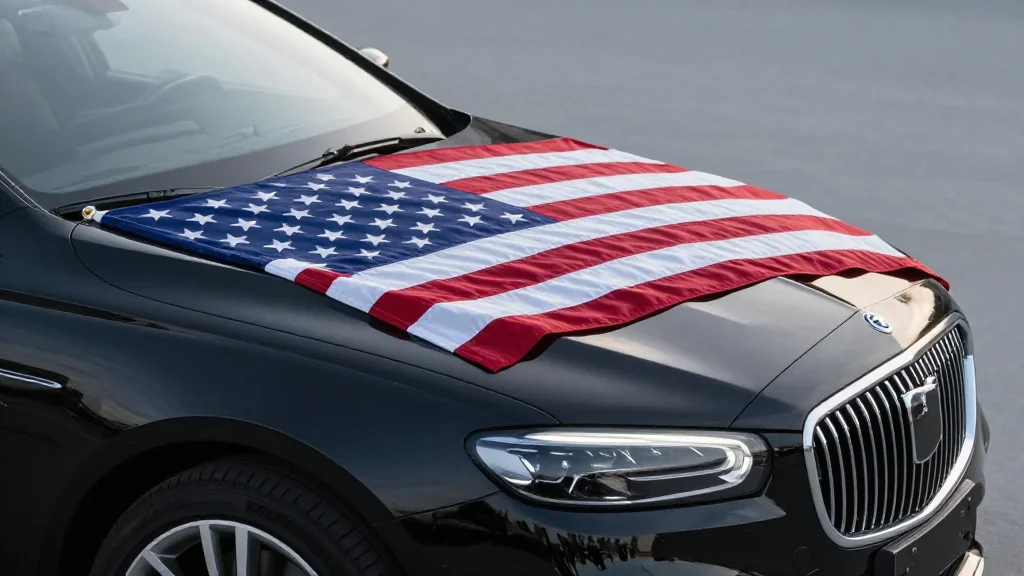
Trump Says US to Raise Tariff Rate on EU Cars, Trucks to 25%
Why It Matters
The higher tariff threatens to raise auto costs for American consumers and could spark a new round of US‑EU trade tensions, reverberating through the global automotive supply chain.
Key Takeaways
- •Trump announces 25% tariff on EU cars and trucks.
- •Tariff exemption applies to vehicles manufactured in U.S. plants.
- •EU previously secured 15% ceiling under transatlantic trade deal.
- •Move could raise US car prices by up to $5,000.
- •Potential retaliation could spark broader US‑EU trade tensions.
Pulse Analysis
The latest tariff escalation stems from a long‑standing dispute over a 2024 transatlantic trade pact that granted the EU a 15% ceiling on most of its exports to the United States in return for eliminating U.S. duties on European industrial goods. Trump’s administration argues that the EU failed to meet compliance milestones, prompting a unilateral decision to hike automotive duties to 25%. While the move is framed as a corrective measure, it underscores the fragile nature of trade agreements that rely on political goodwill rather than enforceable mechanisms.
For American consumers, the immediate impact will be felt at the dealership. A 25% duty on imported cars translates into price increases of several thousand dollars, especially for premium German brands that dominate the luxury segment. Domestic manufacturers stand to gain a competitive edge, but the benefit may be offset by higher component costs, as many U.S. automakers source parts from European suppliers. The exemption for vehicles built in U.S. plants softens the blow for companies with local assembly lines, yet the broader supply chain could experience cost pressures that ripple through pricing and inventory decisions.
Geopolitically, the tariff hike risks igniting a tit‑for‑tat response from the European Union, which could impose reciprocal duties on U.S. automotive parts or other high‑value exports. Such escalation would not only strain bilateral relations but also complicate multinational operations for firms that straddle both markets. Industry watchers suggest that a negotiated settlement, perhaps involving phased compliance checks, would be preferable to a full‑scale trade war that could disrupt global automotive production and dampen growth prospects for both economies.
Trump Says US to Raise Tariff Rate on EU Cars, Trucks to 25%
Comments
Want to join the conversation?
Loading comments...