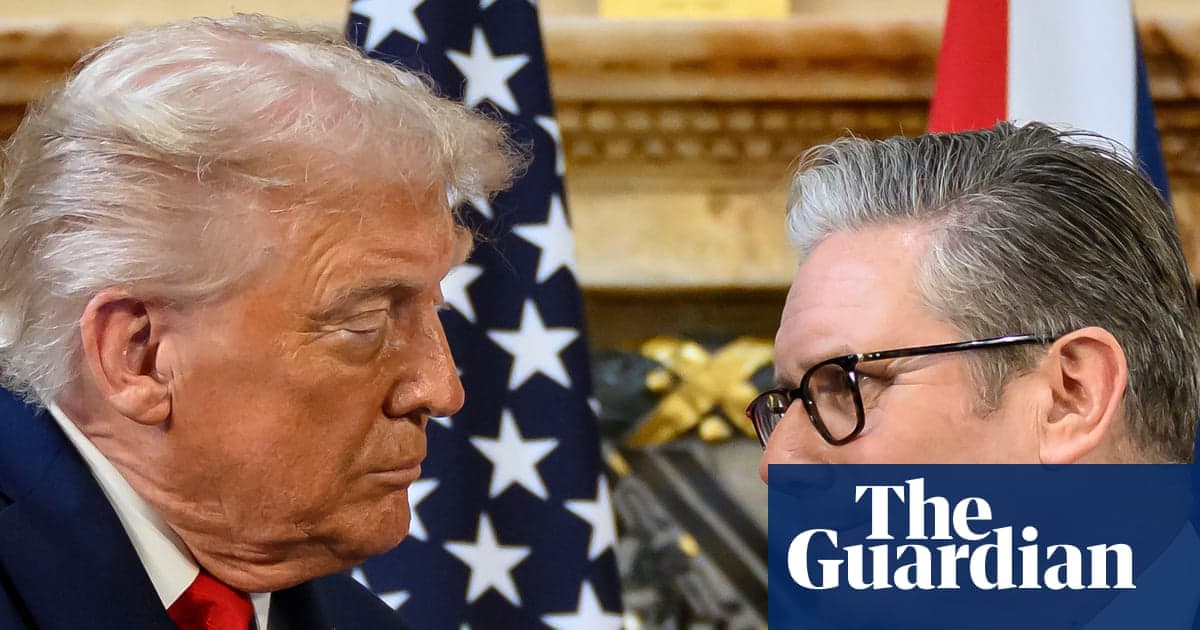
Trump Warns US-UK Trade Deal ‘Can Always Be Changed’ with Relations in ‘Sad State’
Why It Matters
The potential rollback jeopardizes a key post‑Brexit trade pillar and could accelerate the UK’s pivot toward the EU, reshaping transatlantic commerce and security cooperation.
Key Takeaways
- •Trump threatens to revoke US‑UK trade deal amid Iran war
- •Deal cuts tariffs on cars, aluminium, steel, but remains vulnerable
- •UK chancellor Reeves criticises US strikes, warns of recession impact
- •Starmer leans toward EU, citing security and economic benefits
Pulse Analysis
The U.S.-U.K. trade pact, finalized in May 2025, was marketed as a cornerstone of post‑Brexit economic strategy, eliminating tariffs on high‑value goods such as automobiles, aluminium and steel. While the agreement promised to boost British exports and reinforce the “special relationship,” its durability now hinges on geopolitical alignment rather than pure market economics. President Trump’s recent remarks suggest the deal is a bargaining chip, contingent on Britain’s willingness to back U.S. actions in the Middle East, particularly the controversial strike on Iran.
London’s response has been swift and pointed. Chancellor Rachel Reeves, speaking at IMF meetings in Washington, labeled the Iranian operation a “folly” that threatens to drag the UK into a global recession, already reflected in downgraded growth forecasts. Prime Minister Keir Starmer, meanwhile, has emphasized the broader dimensions of the bilateral partnership, but his growing advocacy for closer EU integration signals a strategic recalibration. The political calculus in Westminster now balances the immediate benefits of the trade deal against long‑term security and economic stability, especially as energy prices surge and immigration debates intensify.
For businesses, the uncertainty surrounding the pact could affect supply‑chain planning and investment decisions across sectors reliant on reduced duties. Companies exporting vehicles or metal products may face renewed tariff exposure if the agreement is renegotiated or withdrawn. Moreover, the episode highlights the fragility of trade arrangements that are tied to volatile foreign‑policy agendas, prompting firms to diversify markets and hedge against policy‑driven shocks. Stakeholders should monitor diplomatic developments closely, as any shift could reshape trade flows between the two economies and influence broader G7 economic dynamics.
Trump warns US-UK trade deal ‘can always be changed’ with relations in ‘sad state’
Comments
Want to join the conversation?
Loading comments...