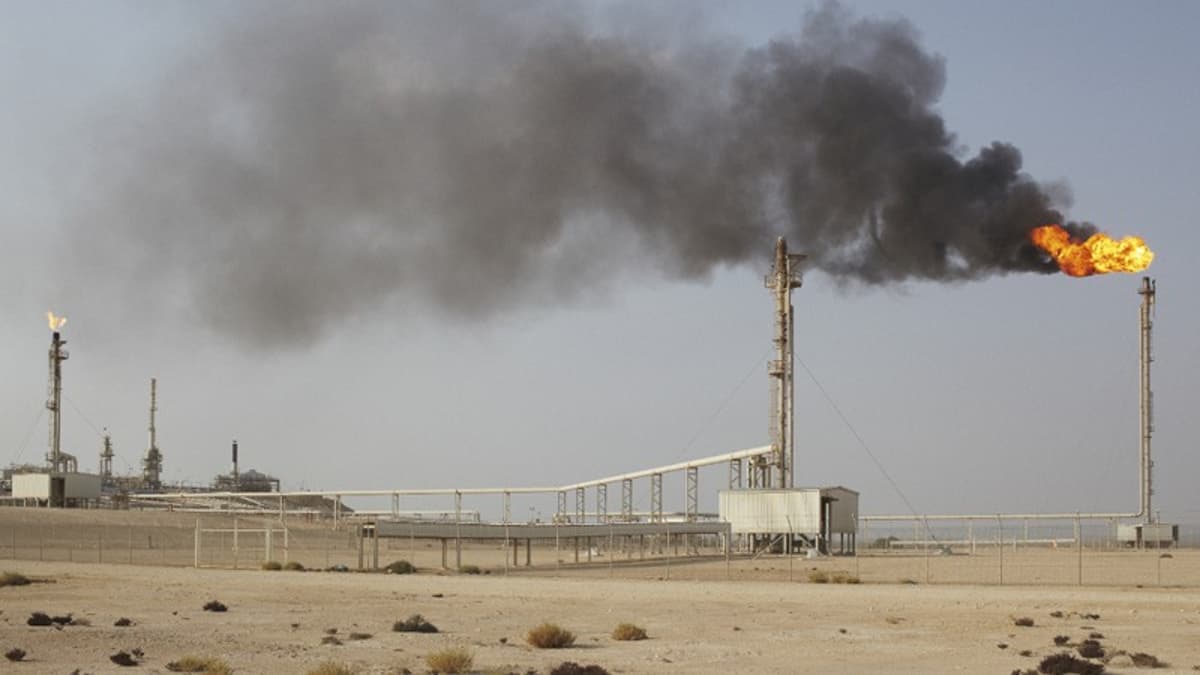
Trump’s Ceasefire Warning Sends Oil Prices Higher Again
Why It Matters
Higher oil prices pressure downstream margins and elevate inflation risks, while supply constraints amplify geopolitical leverage for producers and buyers alike.
Key Takeaways
- •Trump’s ceasefire warning lifts Brent crude toward $110 per barrel.
- •Gulf repair delays push full output recovery to 2027.
- •China’s crude imports fall 2.4 m b/d, refinery runs slump to 50 %.
- •OPEC output cuts total 830,000 b/d in April, tightening supply.
- •Shell plans to exit French retail market by Q1 2027.
Pulse Analysis
The latest surge in Brent crude underscores how political rhetoric can quickly translate into market moves. President Trump’s comments on the Iran cease‑fire injected fresh risk premium into oil futures, nudging prices toward the $110 mark. Traders interpret the "life support" phrasing as a signal that diplomatic resolution remains fragile, prompting speculative buying and hedging activity across both physical and financial markets. This dynamic illustrates the persistent intertwining of geopolitics and commodity pricing, a hallmark of the post‑pandemic energy landscape.
Supply-side constraints are deepening as Gulf nations grapple with extensive infrastructure repairs caused by drone attacks. Saudi Arabia and the UAE have signaled that full restoration may not occur until 2027, effectively reducing available export capacity for the near term. Coupled with OPEC’s collective output decline of 830,000 b/d in April, the market faces a tighter supply balance that supports higher price levels. Meanwhile, Shell’s decision to divest its French retail network by early 2027 reflects a broader strategic shift among integrated majors, focusing on high‑margin upstream assets amid volatile downstream environments.
On the demand side, China’s sharp import reduction—down 2.4 million b/d month‑over‑month—highlights the impact of domestic policy and refined‑product export bans on global oil flows. Refineries in Shandong are operating at roughly half capacity, eroding margins and prompting the state planner NDRC to threaten quota cuts. These demand-side pressures, combined with OPEC’s output cuts and Gulf supply delays, create a complex matrix that investors and policymakers must navigate. Understanding these interlinked factors is essential for anticipating future price trajectories and the strategic moves of both producers and consumers in the evolving energy market.
Trump’s Ceasefire Warning Sends Oil Prices Higher Again
Comments
Want to join the conversation?
Loading comments...