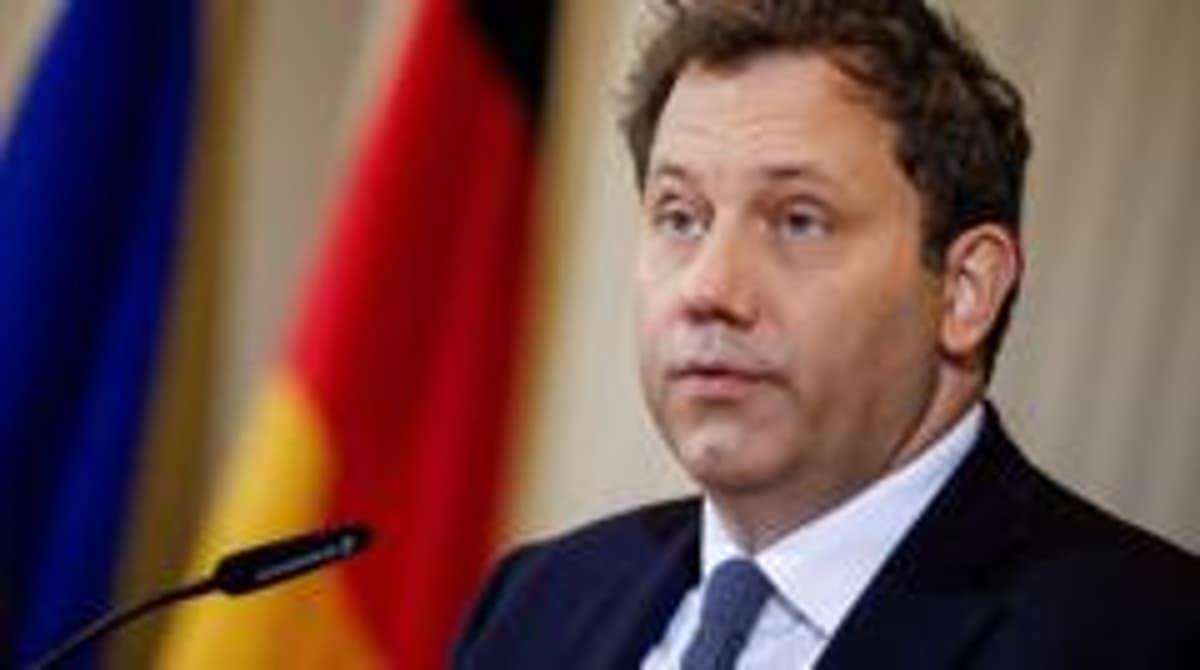
Trump's 'Irresponsible War' To Blame for Economic Slowdown, German Minister Says
Why It Matters
The revenue cut deepens Germany’s fiscal strain, limiting its ability to fund social programs and invest in growth. It also signals how geopolitical conflicts can quickly translate into tangible economic losses for major economies.
Key Takeaways
- •Germany cuts 2026‑2030 tax forecast by €70 bn ($82 bn).
- •Trump‑Iran war triggers global energy shock, raising fuel prices.
- •U.S. troop withdrawal plan heightens NATO security concerns in Europe.
- •German‑U.S. diplomatic strain may delay coordinated economic response.
Pulse Analysis
The Iran‑U.S. confrontation, amplified by Israel’s involvement, has sent oil and liquefied natural gas prices soaring. Roughly 20 % of global energy flows through the Strait of Hormuz, and its closure has forced markets to reprice risk, inflating fuel costs across Europe. Germany, already wrestling with high energy bills, now faces an $82 bn shortfall in its medium‑term tax outlook, a direct fiscal manifestation of the energy shock. Analysts warn that such abrupt revenue losses could force the coalition to tap reserves or raise taxes, further dampening consumer confidence.
Beyond the balance sheet, the energy surge compounds Germany’s longstanding growth challenges. Stagnant industrial output, weak export demand, and elevated production costs have left the economy teetering on the edge of recession. The tax revenue downgrade reflects not only lower corporate profits but also reduced personal income as households cut back on spending. Policymakers must balance short‑term stimulus with long‑term sustainability, potentially accelerating the transition to renewable sources to insulate the economy from future geopolitical supply shocks.
The diplomatic fallout adds another layer of uncertainty. Trump’s rhetoric and the Pentagon’s plan to pull 5,000 troops from Germany have strained NATO cohesion, prompting German officials to question the reliability of the U.S. security umbrella. This tension could impede coordinated economic responses to the crisis, as transatlantic cooperation is essential for stabilising markets and managing energy supply chains. In the longer view, the episode may push Europe toward greater strategic autonomy, reshaping defense spending and trade policies for years to come.
Trump's 'irresponsible war' to blame for economic slowdown, German minister says
Comments
Want to join the conversation?
Loading comments...