Trump’s Latest Tariff Setback Looms Over China Talks
Why It Matters
The loss erodes the president’s negotiating power with China, potentially reshaping the upcoming trade talks. It also signals continued judicial resistance to unilateral tariff actions, influencing future U.S. trade policy.
Key Takeaways
- •Court of International Trade ruled 10% tariff illegal
- •Ruling threatens Trump's leverage ahead of Beijing talks
- •Administration plans to appeal and explore alternative enforcement
- •Tariff threat now seen as “empty bluster” by experts
- •China negotiations remain high‑stakes despite legal setback
Pulse Analysis
Since taking office, Donald Trump has repeatedly tried to bypass congressional approval by imposing sweeping import duties. After the Supreme Court struck down his first round of tariffs in early 2025, he introduced a temporary 10 percent surcharge on almost all foreign goods in February 2026. The move was framed as a stop‑gap measure, but a panel of the Court of International Trade ruled the surcharge unlawful, echoing earlier judicial concerns about executive overreach in trade. The decision underscores the legal limits of unilateral tariff authority and forces the administration back to the drawing board.
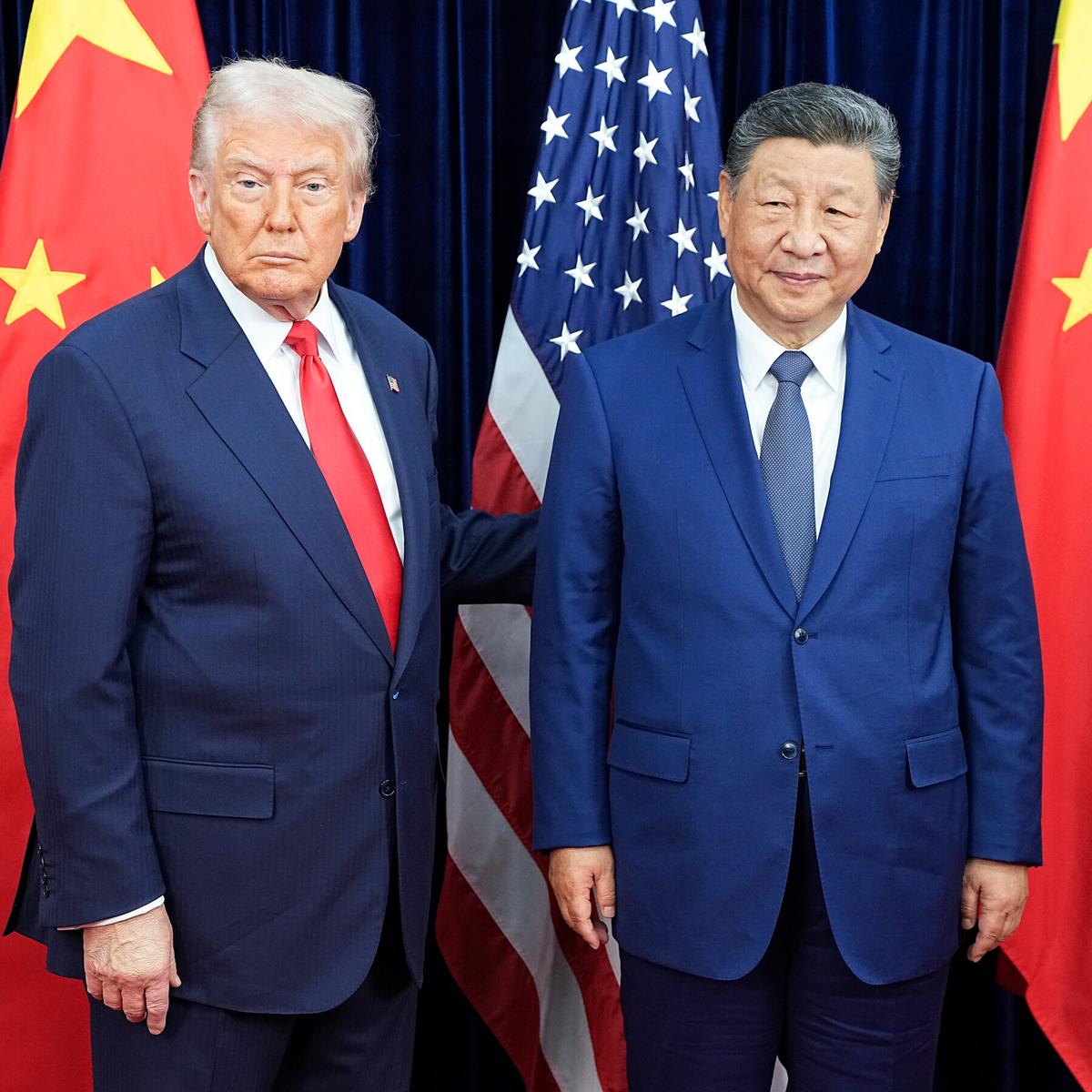
The timing of the ruling is critical, as Trump is slated to meet Chinese President Xi Jinping in Beijing next week. Tariffs have been a cornerstone of his negotiating playbook, intended to pressure Beijing on market access, intellectual‑property rights, and geopolitical issues. With the court’s finding, analysts like Cornell economist Eswar Prasad argue that Trump’s threat of broader duties now lacks credibility, potentially weakening his bargaining position. The administration’s stated intent to pursue an appeal and explore “different ways” to enforce the tariff suggests a shift toward more nuanced, perhaps targeted, trade measures.
Beyond the immediate diplomatic fallout, the case highlights a broader tension between the executive branch and the judiciary over economic warfare tools. Lawmakers may seize the moment to tighten statutory requirements for imposing duties, while businesses watch for policy volatility that could affect supply chains and pricing. For investors, the uncertainty surrounding U.S. tariff policy reinforces the importance of diversifying exposure to sectors most vulnerable to trade disputes, such as technology and agriculture. Ultimately, the outcome of the appeal and any legislative response will shape the contours of America’s trade strategy for years to come.
Trump’s Latest Tariff Setback Looms Over China Talks
Comments
Want to join the conversation?
Loading comments...