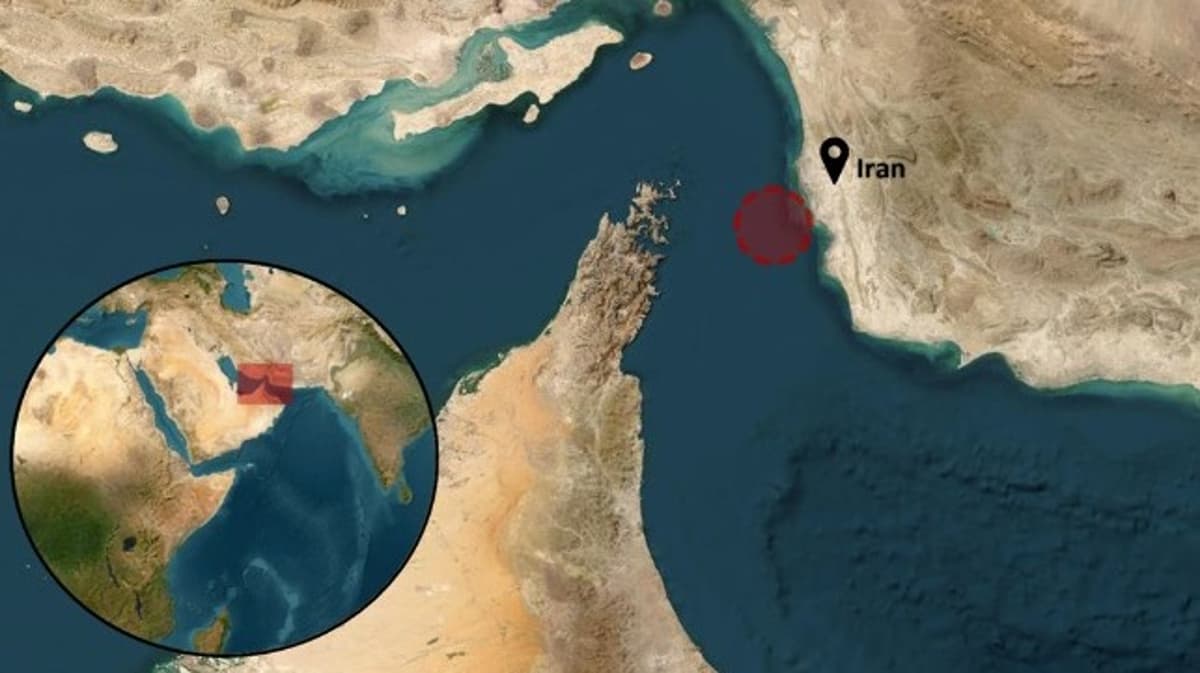
Two Ships Report Iranian Attacks in Strait of Hormuz
Companies Mentioned
Why It Matters
The incidents underscore escalating maritime risk in the Hormuz corridor, threatening global oil flow and raising insurance costs for shippers. They also signal a potential widening of the U.S.–Iran naval standoff, affecting broader geopolitical stability.
Key Takeaways
- •IRGC gunboats opened fire on two MSC-chartered boxships in Hormuz
- •Both vessels damaged, no injuries; AIS reactivated during attacks
- •Iran threatens full Hormuz blockade until U.S. lifts naval cordon
- •U.S. seized two Iranian ships, raising regional maritime tension
- •Shipping firms urged to report suspicious activity as risk climbs
Pulse Analysis
The Strait of Hormuz remains one of the world’s most vulnerable chokepoints, funneling roughly 20% of global oil shipments daily. Recent attacks on two MSC‑chartered boxships illustrate Iran’s willingness to project force in response to U.S. interdictions of Iranian‑linked tonnage. By disabling AIS until the moment of engagement, the IRGC signaled a calculated approach to avoid early detection while still asserting dominance. This behavior reflects a broader pattern of asymmetric tactics that aim to pressure the United States and its allies without triggering full‑scale conflict.
For the shipping industry, the heightened threat translates into immediate operational challenges. Insurers are likely to raise premiums for vessels transiting the Hormuz corridor, and charterers may reroute cargoes around the Arabian Sea, incurring longer transit times and higher fuel costs. The U.S. seizure of the IRISL boxship Touska and the tanker Tifani further complicates the risk calculus, as it demonstrates a proactive stance that could invite reciprocal Iranian actions. Companies with exposure to Middle‑East oil logistics must reassess their risk‑management frameworks, incorporating real‑time threat intelligence and contingency routing.
Looking ahead, the prospect of a full Iranian blockade hinges on diplomatic negotiations surrounding the U.S. naval cordon. If Tehran follows through, global oil markets could experience price volatility reminiscent of past Hormuz disruptions. Stakeholders should monitor diplomatic channels, regional naval deployments, and the evolving rules of engagement. Proactive communication with crew, investment in satellite tracking, and adherence to maritime security advisories will be essential for mitigating disruptions and safeguarding supply‑chain continuity.
Two Ships Report Iranian Attacks in Strait of Hormuz
Comments
Want to join the conversation?
Loading comments...