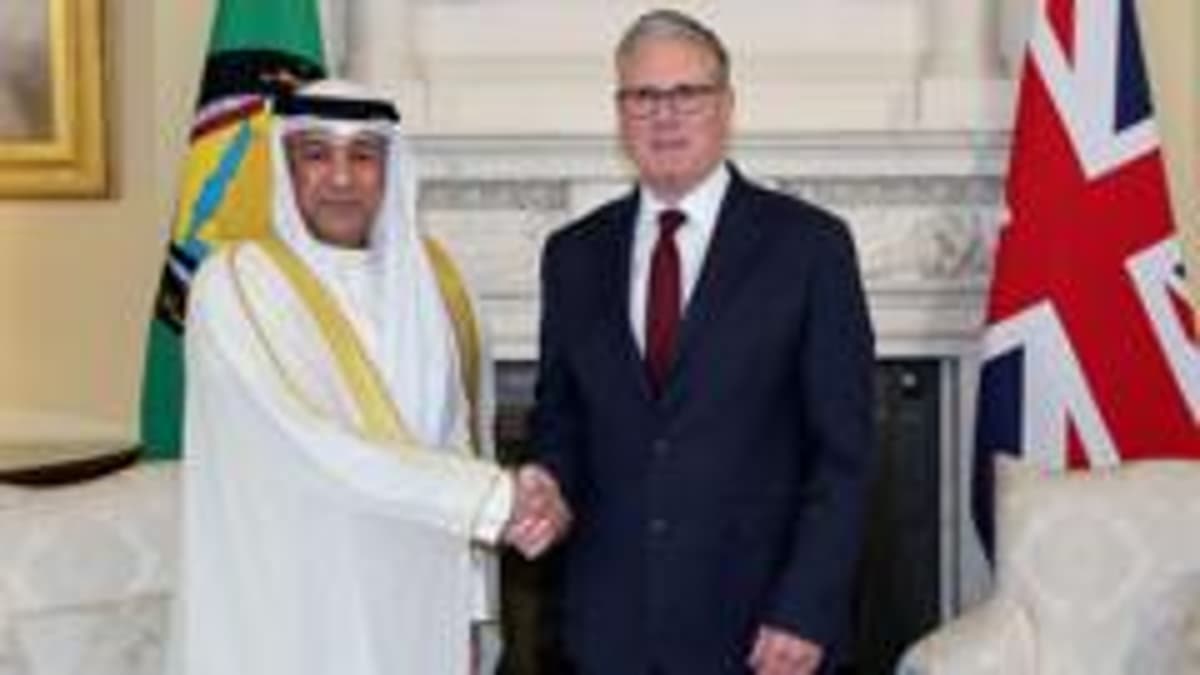
UK Agrees £3.7bn Trade Deal with Six Gulf States
Why It Matters
The deal boosts UK exporters by cutting tariffs and opening a fast‑growing Gulf market, while also sparking debate over the trade‑off between economic gains and human‑rights standards.
Key Takeaways
- •£3.7 bn ($4.6 bn) trade pact with six Gulf states signed
- •Annual UK export tariffs cut by £580 m ($725 m) across cheese, butter, chocolate
- •First G7‑GCC agreement, expanding UK’s post‑Brexit trade network
- •Human‑rights groups warn deal overlooks labour and climate concerns
Pulse Analysis
The new UK‑GCC trade agreement marks a strategic pivot for Britain as it seeks to replace EU market access with diversified global partnerships. By securing tariff‑free access for iconic British food products and other goods, the pact aligns with the government’s narrative of "Brexit opportunities" and reinforces the United Kingdom’s ambition to become a trade hub for the Middle East. The agreement also positions the UK alongside other G7 economies that are courting Gulf investment, highlighting a broader shift toward energy‑rich regions despite the EU’s own outreach efforts.
Economically, the removal of roughly £580 m ($725 m) in annual duties translates into immediate cost savings for exporters and could stimulate incremental job creation in sectors ranging from agriculture to high‑tech services. Analysts estimate that the tariff elimination could lift UK export volumes to the Gulf by double‑digit percentages over the next five years, especially as the region diversifies away from oil. The deal’s inclusion of data‑flow provisions and mobility clauses further lowers non‑tariff barriers, making the Gulf a more attractive destination for British SMEs looking to expand overseas.
However, the pact has ignited criticism from human‑rights advocates who argue that the UK is overlooking serious concerns about labour standards, press freedom and the climate footprint of its new partners. The Trade Justice Movement’s objections underscore a growing tension between commercial interests and ethical foreign policy, a debate that could shape future trade negotiations. As the UK balances economic imperatives with its global reputation, the GCC deal serves as a litmus test for how the country will navigate trade‑off decisions in an increasingly values‑driven marketplace.
UK agrees £3.7bn trade deal with six Gulf states
Comments
Want to join the conversation?
Loading comments...