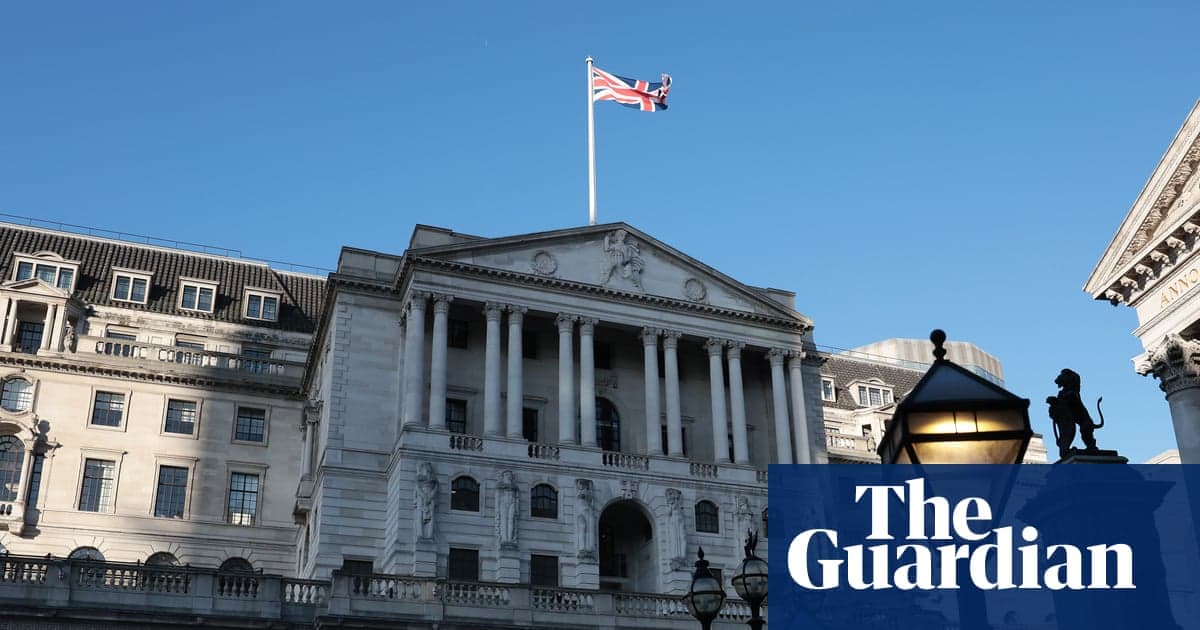
UK Braces for Price Rises Driven by Iran War as Economic Confidence Plummets
Companies Mentioned

Why It Matters
War‑induced price shocks could reignite UK inflation, prompting monetary tightening that squeezes households and firms. The trend also signals broader global recession risks as energy and supply‑chain disruptions spread.
Key Takeaways
- •GfK consumer confidence index fell to –25, lowest since Oct 2023.
- •Over 25% of firms expect price hikes next month, highest since Jan 2023.
- •Energy costs cited by 33% of firms as primary price‑rise driver.
- •UK services PMI showed biggest cost increase since 1996 between March‑April.
Pulse Analysis
The escalation of the Iran conflict is reverberating through the UK economy, eroding consumer sentiment and stoking inflation fears. GfK’s confidence index dropped to –25, a level not seen since October 2023, reflecting households’ anxiety over soaring fuel prices and potential supply shortages. This sentiment dip coincides with a broader slowdown in domestic demand, as consumers brace for higher living costs and postpone discretionary spending. The war’s impact on global energy markets is a key driver, amplifying price pressures across sectors.
Business surveys paint a similarly stark picture. Over a quarter of firms in the Office for National Statistics’ weekly conditions survey now expect to raise the price of goods or services next month, the highest proportion since early 2023. Energy costs are singled out by a third of respondents as the primary catalyst for these planned hikes, while the S&P Global services PMI recorded the steepest cost surge since 1996. Manufacturing input prices are also climbing, and the CBI notes a rapid decline in industrial sentiment, the fastest since the pandemic’s onset. These dynamics suggest that cost‑push inflation could outpace demand‑side factors, complicating the Bank of England’s policy calculus.
For policymakers, the confluence of waning confidence, rising input costs, and geopolitical uncertainty raises the specter of a policy‑driven rate increase. Financial markets already price in at least one BoE rate hike this year, though the central bank may opt to hold rates at its upcoming meeting to avoid destabilising an already fragile recovery. A sustained inflationary spike could force tighter monetary conditions, pressuring household budgets and corporate margins, and potentially nudging the UK toward a broader global recession as the war’s fallout spreads across supply chains and energy markets.
UK braces for price rises driven by Iran war as economic confidence plummets
Comments
Want to join the conversation?
Loading comments...