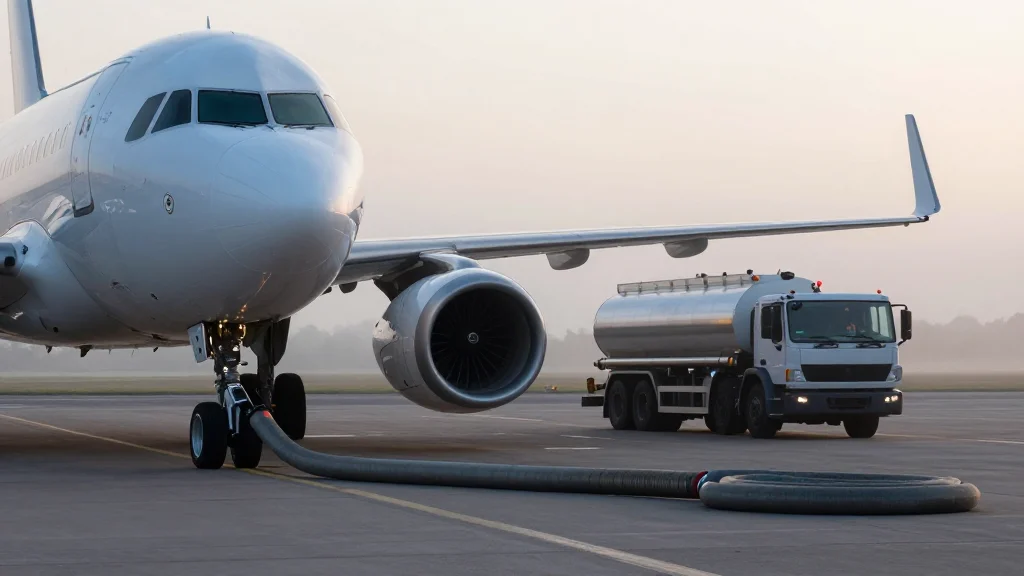
UK Faces Largest Jet Fuel Deficit in Europe as Prices Spike to $209 per Barrel

Companies Mentioned
Why It Matters
The UK’s jet‑fuel deficit is a flashpoint for the global economy because aviation is a linchpin of international trade, tourism and business connectivity. A sustained shortage would not only inflate passenger fares but also raise cargo costs, squeezing profit margins across sectors from electronics to perishables. Moreover, the reliance on transatlantic fuel shipments reshapes geopolitical leverage, giving the United States a disproportionate bargaining position in Europe’s energy market. Beyond immediate price pressures, the crisis highlights the fragility of Europe’s refining landscape, which has been hollowed out by plant closures and shifting investment toward renewable fuels. Policymakers now face a trade‑off between short‑term fuel security and long‑term decarbonisation goals, a dilemma that could shape regulatory frameworks and investment flows for years to come.
Key Takeaways
- •Allianz reports UK jet‑fuel deficit of ~200,000 barrels per day – twice the size of any other major European economy
- •Jet‑fuel price surged from $99 to $209 per barrel between February and early April 2026
- •U.S. jet‑fuel exports to Europe jumped 782% in March, temporarily offsetting Middle‑East supply cuts
- •Four UK refineries (Fawley, Stanlow, Humber, Pembroke) cannot cover the shortfall after Grangemouth and Lindsey closures
- •Airline ticket prices already up 5‑15%; further 10‑15% hikes projected if supply worsens
Pulse Analysis
The jet‑fuel deficit in the United Kingdom is a symptom of a broader restructuring of Europe’s energy supply chain. Over the past decade, the continent has systematically reduced its refining capacity, betting on a transition to greener fuels and tighter emissions standards. That strategic retreat left a structural gap that is now exposed by geopolitical shocks, notably the Iran‑Israel war that has choked the Strait of Hormuz, a vital artery for Middle‑East kerosene.
From a market perspective, the immediate fallout is a classic supply‑demand imbalance: a sharp contraction in inbound kerosene meets a relatively inelastic demand for aviation fuel during the summer travel season. The price reaction – a more than 100% jump in a matter of weeks – is consistent with historical commodity spikes when supply chains are disrupted. However, the longer‑term impact could be more profound. Airlines may accelerate fleet renewal toward more fuel‑efficient models, while cargo operators could pass higher fuel costs onto shippers, eroding margins in already thin‑profit sectors.
Policy responses will be decisive. The UK government’s request for refineries to maximise output is a stop‑gap that cannot replace lost capacity. Strategic reserves, temporary import waivers, or even coordinated EU‑wide fuel sharing agreements could mitigate the acute risk. At the same time, the episode may reignite debate over the pace of refinery de‑commissioning versus energy security, potentially slowing the shutdown of the remaining plants until alternative fuel pathways – such as sustainable aviation fuel – are commercially viable. In essence, the jet‑fuel crunch is a wake‑up call that the transition to a low‑carbon aviation sector must be balanced against the need for reliable, affordable fuel in the near term.
UK Faces Largest Jet Fuel Deficit in Europe as Prices Spike to $209 per Barrel
Comments
Want to join the conversation?
Loading comments...