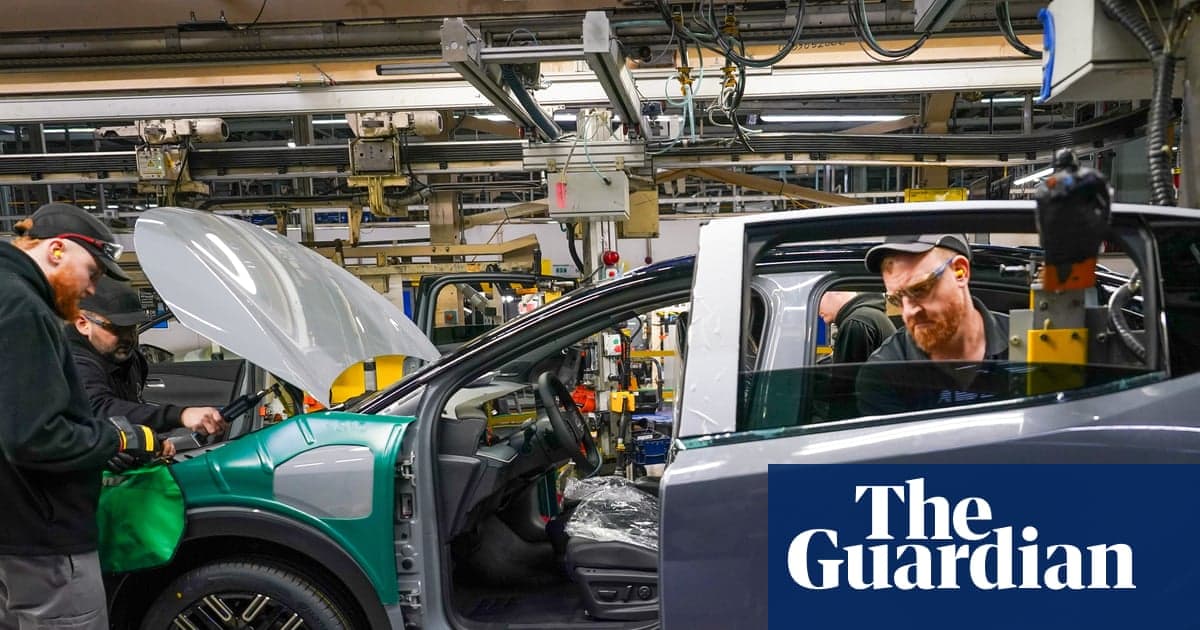
UK Seeks EU Deals on Steel and EVs in Push for Closer Economic Ties
Companies Mentioned
Why It Matters
Securing alignment on steel and EV rules could preserve up to $87 billion in annual automotive trade and prevent costly tariffs that would undermine the UK’s manufacturing competitiveness.
Key Takeaways
- •UK seeks steel and EV deals with EU before July tariffs
- •New EU steel tariffs trigger 50% UK import duty above reduced quotas
- •EV rules of origin demand 40% EU/UK content, challenging battery‑heavy models
- •Industry warns €80bn ($87bn) annual trade could slip without alignment
- •Summer summit will address broader ties, but steel talks remain uncertain
Pulse Analysis
Britain’s renewed outreach to Brussels reflects a pragmatic shift from the confrontational Brexit era toward a partnership model that safeguards key industries. By targeting steel and electric‑vehicle rules of origin, the UK aims to blunt the impact of the EU’s anti‑dumping measures on Chinese steel and the upcoming 2027 automotive content thresholds. The timing is critical: a 50% tariff on steel imports above the newly slashed quota could raise production costs for sectors ranging from construction to automotive, while the 40% local‑content rule threatens the profitability of battery‑intensive EVs that rely on imported cells.
For manufacturers, the stakes are quantified in billions. The Society for Motor Manufacturers and Traders estimates that the current rules could jeopardise roughly €80 billion (about $87 billion) of annual trade between the UK and EU if no compromise is reached. Battery supply chains, still nascent in the UK, would struggle to meet the heightened content requirement without substantial investment, potentially prompting firms to relocate production or absorb higher tariffs. Aligning on steel tariffs also offers a strategic hedge against Chinese overcapacity, a concern echoed by EU trade chief Maroš Šefčovič, who has floated a broader Western steel alliance.
Politically, the negotiations are a litmus test for Prime Minister Keir Starmer’s economic agenda amid geopolitical uncertainty and strained US ties. While the summer summit promises to broaden the dialogue to food, energy and youth mobility, steel and EV discussions remain the most time‑sensitive. Success could signal a new ‘British model’ of EU cooperation, reinforcing economic security and signaling to global partners that the UK remains a reliable trading hub. Failure, however, risks reviving the tariff dead‑locks of the May‑Chequers era, eroding confidence in the UK’s post‑Brexit trade strategy.
UK seeks EU deals on steel and EVs in push for closer economic ties
Comments
Want to join the conversation?
Loading comments...