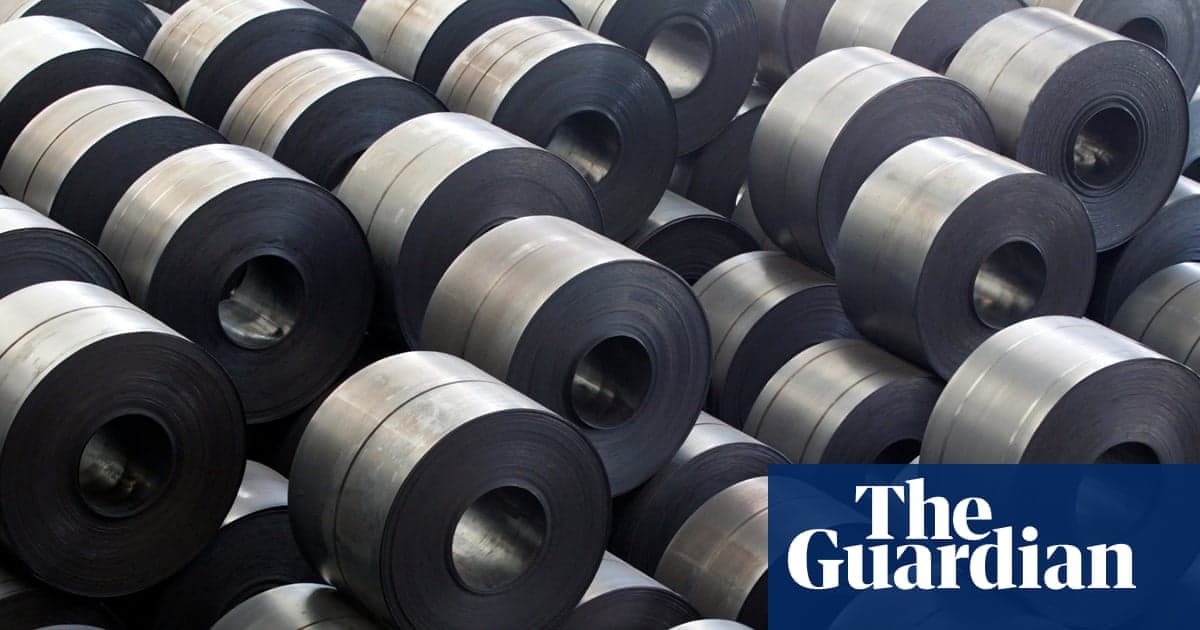
UK to Challenge EU over ‘Devastating’ Plans to Almost Halve Tariff-Free Steel Import Quotas
Why It Matters
The quota reductions threaten to raise steel costs across Europe, disrupt supply chains, and could shift demand toward Chinese producers, reshaping the competitive landscape for both the UK and EU steel sectors.
Key Takeaways
- •EU cuts tariff‑free UK steel quotas by 47% from 2024 levels
- •UK proposes 60% quota reduction, flexible for future adjustments
- •Eurofer warns UK quotas could slash organic‑coated steel exports 80%
- •Both sides risk higher steel prices and Chinese market share gains
- •Negotiations aim to avoid retaliatory measures and preserve a “steel club”
Pulse Analysis
The EU’s decision to halve tariff‑free steel quotas for the UK reflects a broader strategy to protect domestic producers from perceived dumping, especially from China. Since Brexit, the United Kingdom has been forced to design its own import controls, and the proposed 60% cut signals a hard‑line stance that mirrors the EU’s 50% reduction. While the EU argues the measures are compliant with World Trade Organization rules, industry groups argue the steep limits will cripple cross‑Channel trade that has historically been mutually beneficial.
For steel manufacturers, the immediate impact is a sharp contraction in export volumes. Eurofer’s estimates suggest that organic‑coated products could see an 80% drop, with rebar and rail shipments falling 45% and 38% respectively. Such a supply shock is likely to push up steel prices for construction and automotive sectors in both markets, eroding profit margins and prompting buyers to seek alternatives. Chinese firms, already adept at navigating trade barriers, may pivot to finished‑product exports, capturing market share that the UK and EU aim to protect.
The longer‑term stakes involve the viability of a UK‑EU "steel club"—a proposed alliance that would grant each other tariff‑free access and coordinate anti‑China policies. With the United States showing limited interest, the UK and EU must balance protectionist impulses against the risk of a fragmented market that could weaken their collective bargaining power. Ongoing diplomatic talks, including Kyle’s meeting with Šefčovič, will test whether flexibility on quotas can be exchanged for a more stable, collaborative framework that safeguards both economies from escalating trade friction.
UK to challenge EU over ‘devastating’ plans to almost halve tariff-free steel import quotas
Comments
Want to join the conversation?
Loading comments...