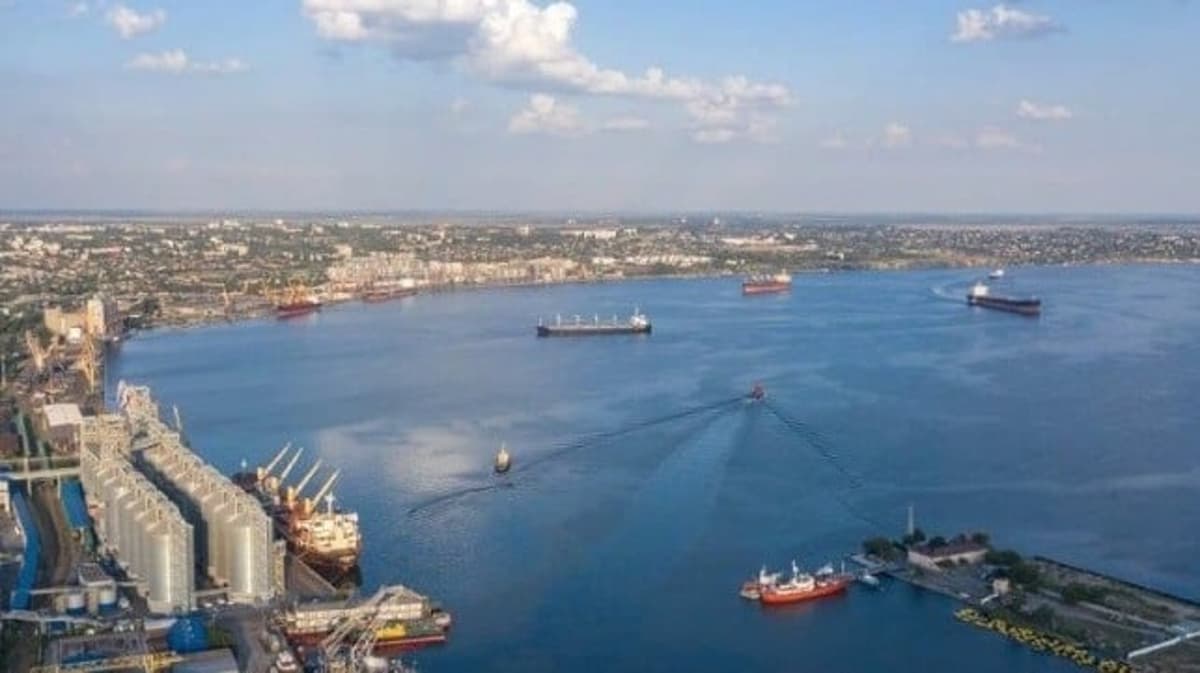
Ukraine Marks Milestone as Exports on Sea Corridor Top 200 Million Tons
Why It Matters
The corridor’s resilience safeguards a critical supply line for global grain markets, bolstering Ukraine’s export revenues and food‑security outlook amid war. Its continued operation signals the country’s capacity to maintain trade flows despite security threats.
Key Takeaways
- •Sea corridor moves over 200 million tons since September 2023.
- •Grain accounts for 118 million tons of total exports.
- •7,800 vessels have traversed the corridor to reach global markets.
- •2026 ports handled 35 million tons, surpassing 2025 forecast.
- •Despite 500+ drone attacks, operations remain stable.
Pulse Analysis
The Black Sea maritime corridor, inaugurated in late 2023, has quickly become Ukraine’s logistical lifeline, channeling more than 200 million tons of cargo through a network that links Odesa’s Great Port district with Romanian outlets. By routing vessels along the western coastline and across the Black Sea, the corridor bypasses overland bottlenecks and mitigates the impact of land‑based assaults. The latest Ministry data shows that grain alone represents 118 million tons, underscoring the corridor’s pivotal role in feeding markets from the Middle East to Western Europe.
Global grain markets have felt the ripple effects of Ukraine’s export capacity, especially as the war disrupted traditional supply chains. The steady flow of Ukrainian grain through the sea corridor helps temper price volatility and supports food‑security initiatives in import‑dependent regions. Analysts note that the corridor’s performance—handling 35 million tons in just the first months of 2026—outpaces the previous year’s forecast, reinforcing Ukraine’s position as a top wheat and corn supplier despite ongoing conflict.
Nevertheless, the corridor operates under constant threat. Over 500 drone strikes in April alone targeted logistic hubs, and nearly a thousand port facilities have suffered damage since 2022. Maintaining throughput requires coordinated defense measures, rapid repairs, and international support for infrastructure resilience. Looking ahead, sustained investment in port modernization and alternative routing—such as Danube river links—will be essential to preserve export volumes and protect Ukraine’s economic engine against future disruptions.
Ukraine Marks Milestone as Exports on Sea Corridor Top 200 Million Tons
Comments
Want to join the conversation?
Loading comments...