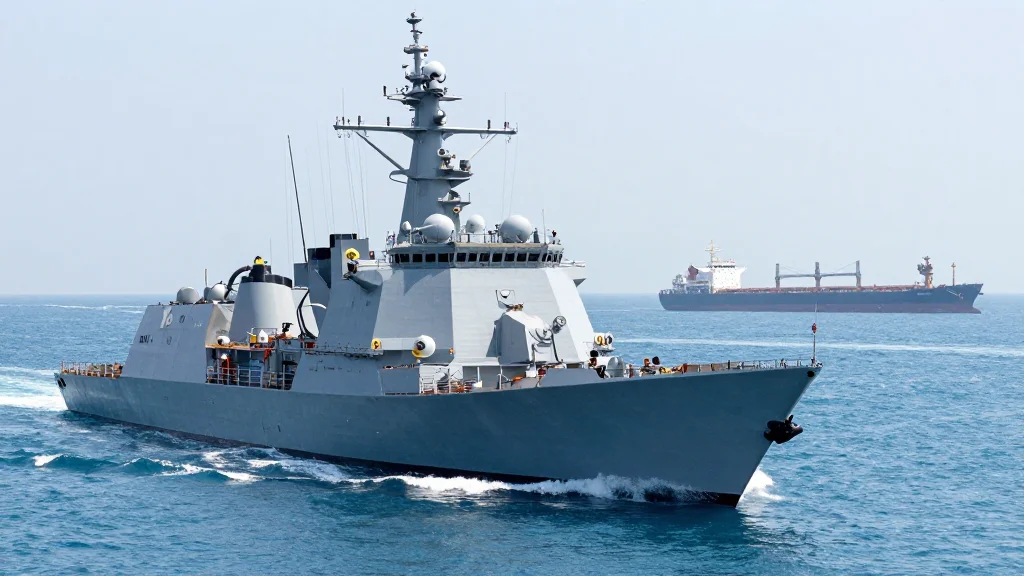
UN Weighs Iran Sanctions as Strait Crisis Tests Fragile Truce
Why It Matters
The outcome will shape the legal basis for further pressure on Iran and affect global energy flows through the world’s most critical oil chokepoint. A UN‑backed sanction or force authorization could alter the balance of power in the Middle East and impact international trade.
Key Takeaways
- •UN draft targets Iran sanctions if attacks on Hormuz continue
- •Resolution operates under Chapter VII, allowing sanctions or force
- •US proposes Maritime Freedom Construct to secure post‑conflict shipping
- •Russia and China back competing text, risking Council deadlock
- •Humanitarian corridor demand highlights broader regional aid disruptions
Pulse Analysis
The Strait of Hormuz remains a linchpin of global energy markets, funneling roughly 20% of the world’s oil. Recent skirmishes between U.S. forces and Iranian vessels have underscored the fragility of a four‑week cease‑fire, prompting the United Nations to consider a more assertive stance. By invoking Chapter VII of the UN Charter, the draft resolution gives the Security Council a legal pathway to impose sanctions or even authorize collective military action, a significant shift from the United States’ recent unilateral operations.
Washington’s diplomatic push is coupled with the proposal of the Maritime Freedom Construct, a multinational coalition designed to safeguard navigation once hostilities subside. The construct aims to coordinate with a parallel Franco‑British maritime mission involving about 30 nations, creating a layered security architecture that could become the default framework for future Middle‑East maritime disputes. If adopted, the coalition would not only protect commercial vessels but also facilitate a humanitarian corridor, addressing the disruption of aid, fertilizer, and essential goods that has rippled through the region.
However, the resolution faces a diplomatic hurdle: Russia and China are preparing an alternative text that could block consensus. Their opposition reflects broader geopolitical rivalries and concerns over setting precedents for UN‑mandated force. The Council’s ability to act decisively will influence oil price volatility, insurance premiums for shipping, and the strategic calculus of both regional and global powers. Stakeholders—from energy traders to multinational corporations—must monitor the vote closely, as the decision will reverberate across supply chains and geopolitical risk assessments.
UN weighs Iran sanctions as Strait crisis tests fragile truce
Comments
Want to join the conversation?
Loading comments...